
Last updated November 24, 2026
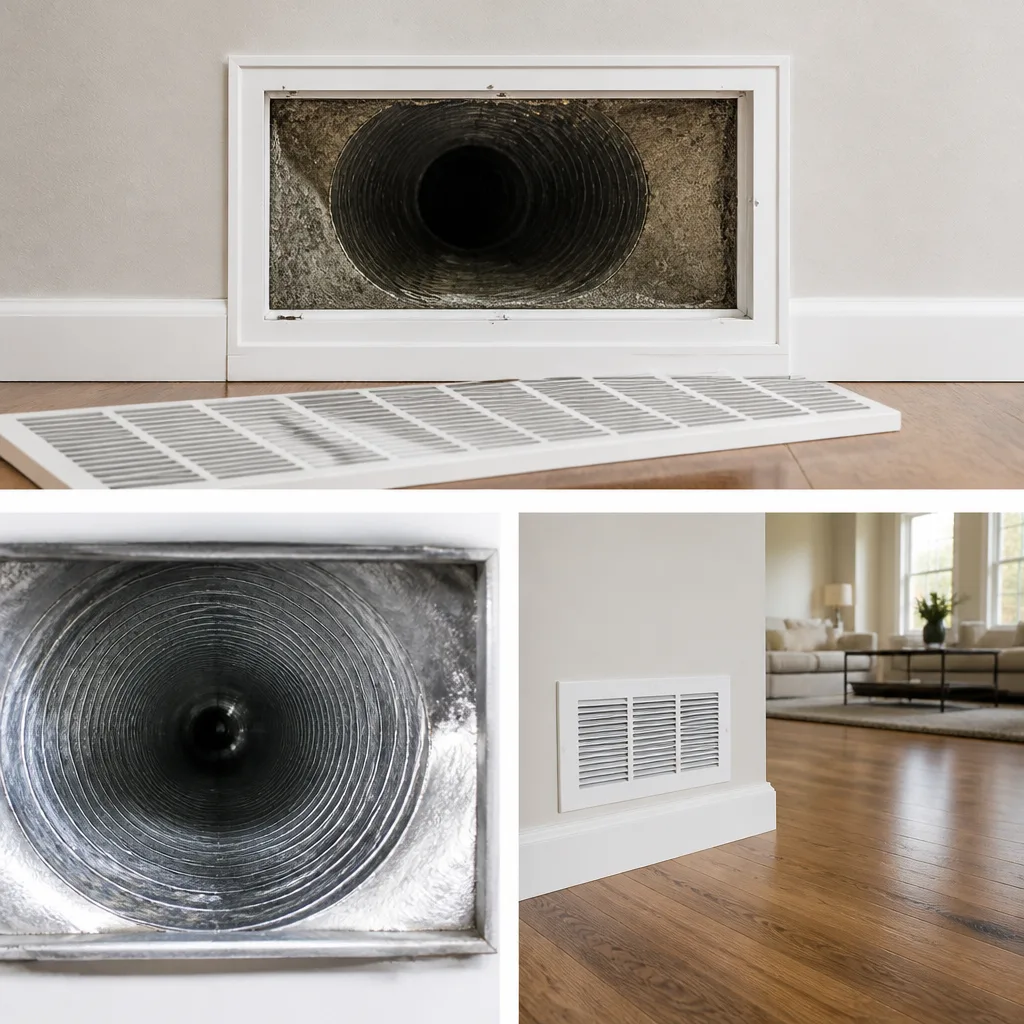 Whole-home duct cleaning
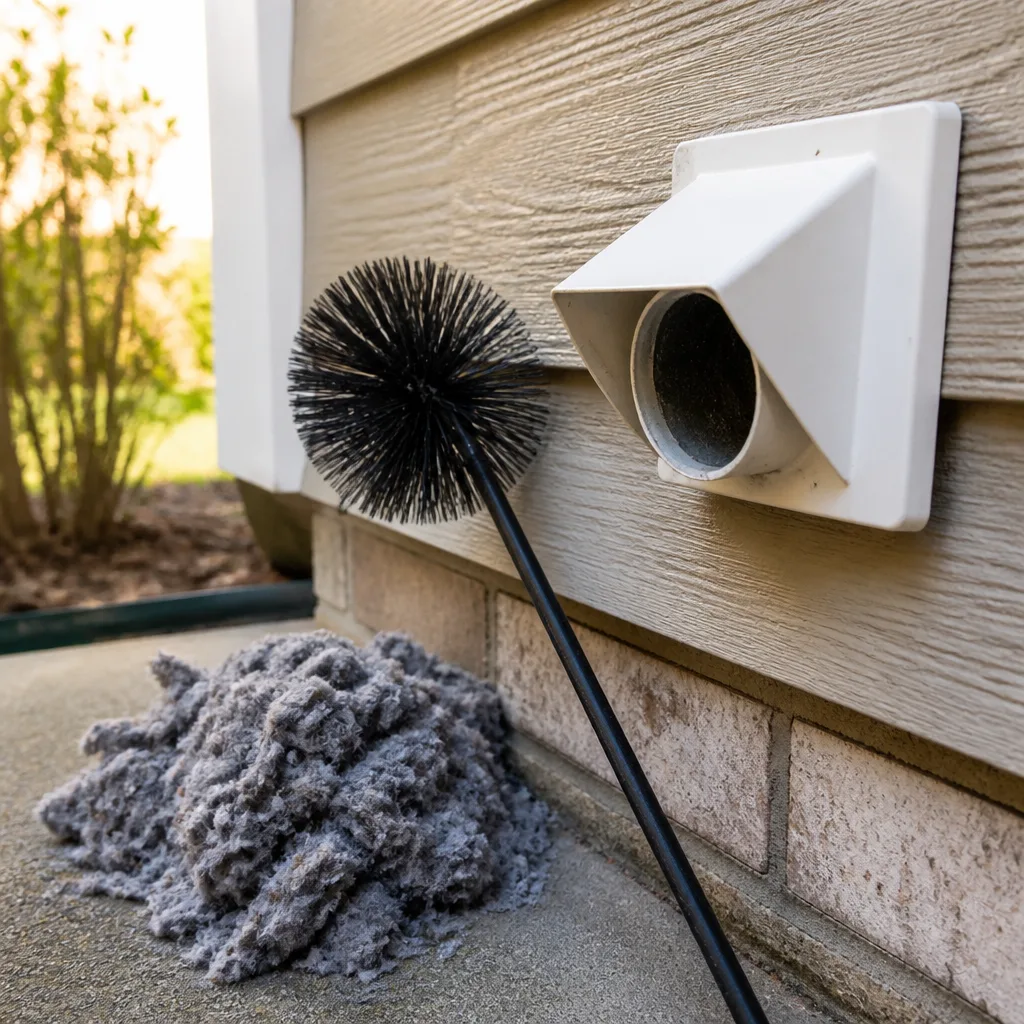 Dryer vent cleaning
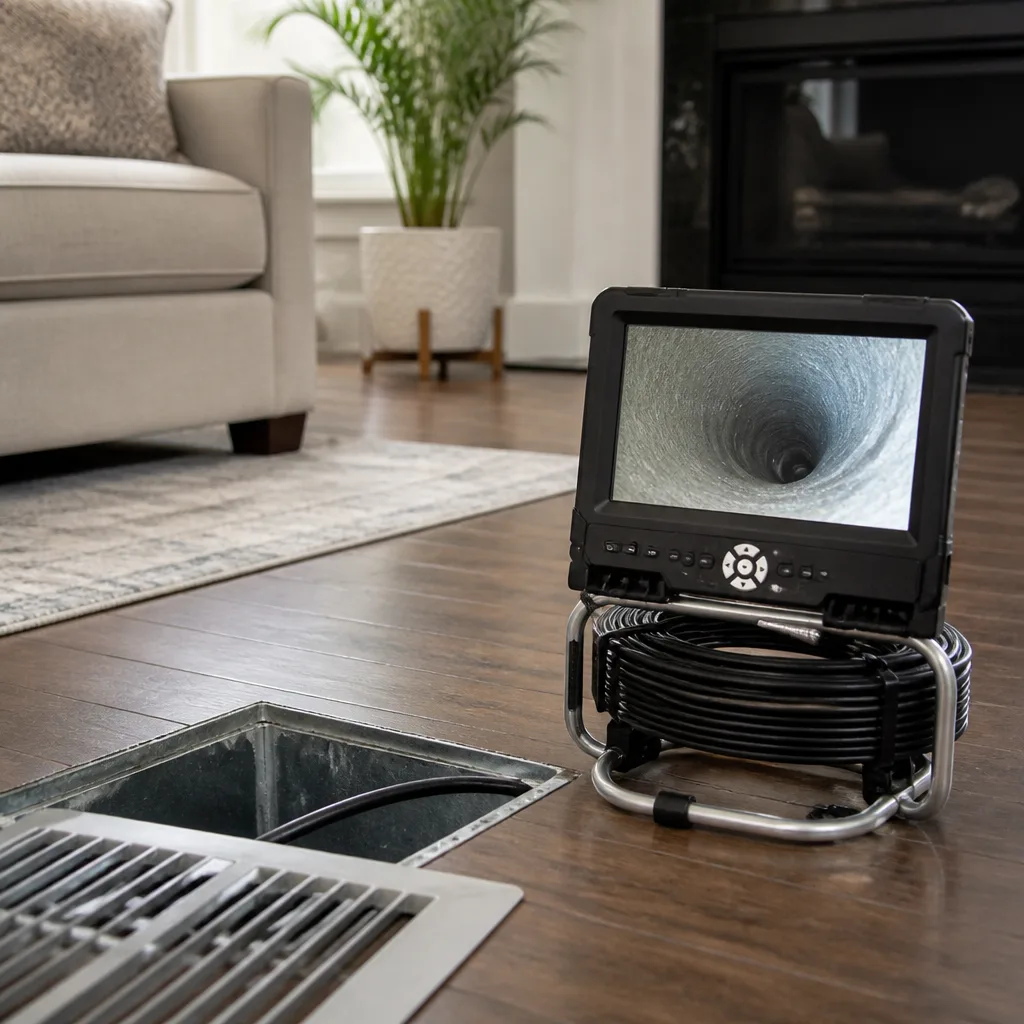 Camera inspection
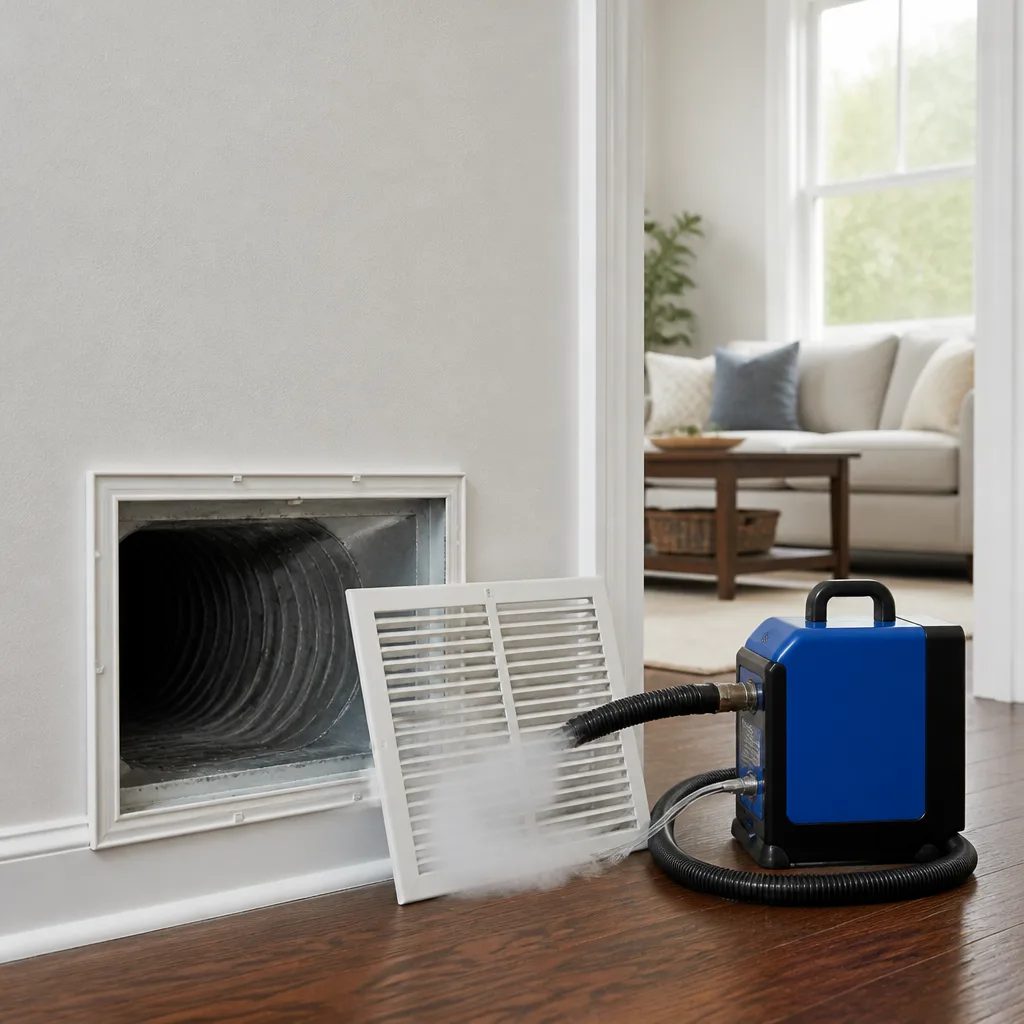 Sanitizing & deodorizing
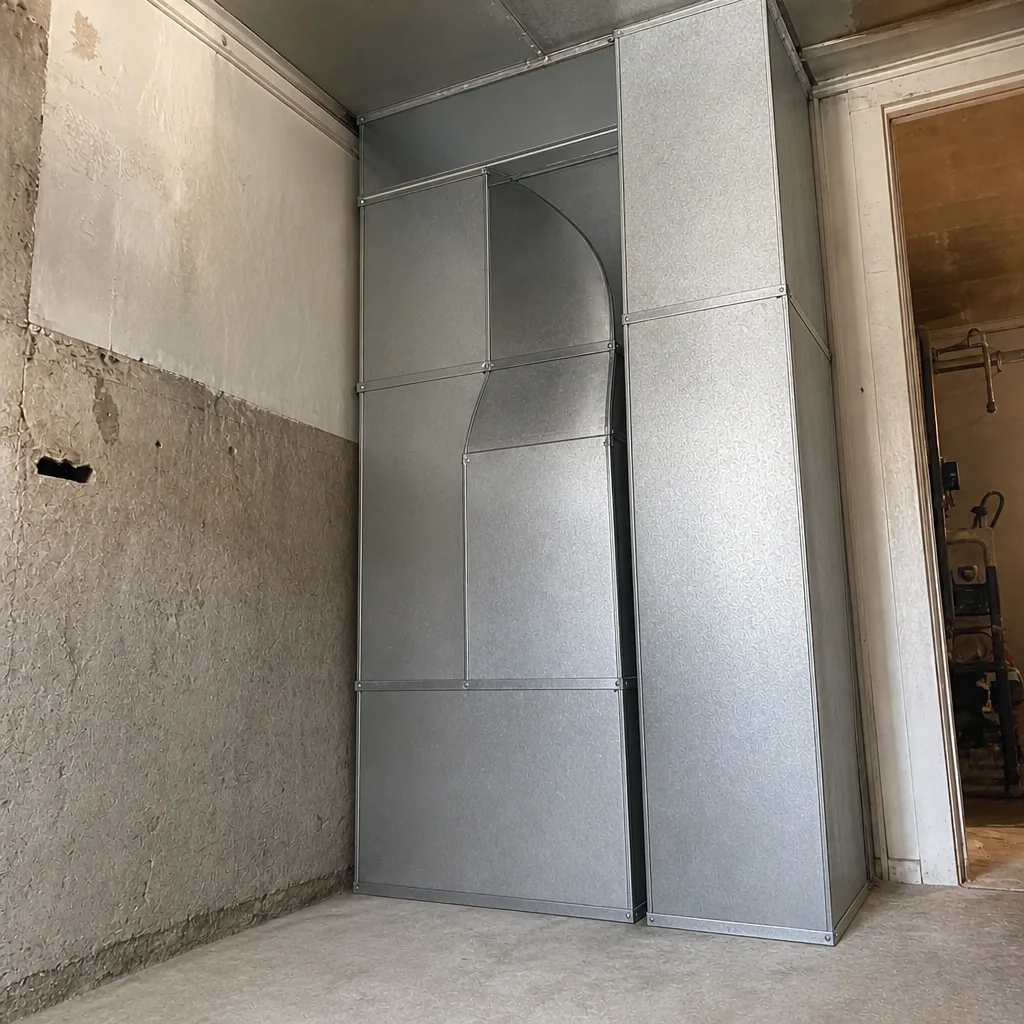
Whole-system duct and dryer vent check with before-and-after photos - you see exactly what came out of your vents
That "$99 whole-house special" is a bait ad - the real number appears once they are in your hallway, or the "clean" is a shop-vac at the register. We photograph the inside of your ducts before and after instead.
Seasonal Air Duct Cleaning Care for Black Rock: Year-Round Homeowner’s Guide
Most homeowners think about their ducts once, when something smells or a bill jumps. In Black Rock, that timing is backwards. Lake-effect snowfall isn’t just a weather event – the humidity spikes that come before and after a major snow system are exactly when duct liners and flex connections are most vulnerable to moisture intrusion, and by the time you notice a musty smell, that moisture has had weeks to work. This guide lays out a year-round care calendar built around how Black Rock’s climate actually affects ductwork: humid summers, long heating seasons, and shoulder periods where dust settles and compacts. You’ll learn what to watch each season, when to schedule professional service, and what to ask before anyone touches your system.
Quick Answer
Air ducts in Black Rock need professional cleaning roughly once a year, timed to the season that does the most damage to your particular system – usually late fall before heating season locks in summer’s accumulated bio-load, with a spring inspection of the heat exchanger and return plenums after months of heavy use. Homes with pets, allergy sufferers, recent renovations, or anyone just moving in should schedule sooner. Between professional visits, seasonal checks of humidity, odors on startup, and uneven room temperatures tell you when your ducts are talking to you.
Styles & brands we work with
- Whole-home duct cleaning
- Dryer vent cleaning
- Camera inspection
- Sanitizing & deodorizing
Table of Contents
- Why Black Rock’s Climate Is Hard on Ductwork
- Fall: Clean Before the Heating Season Bakes It In
- Winter: What to Monitor During Peak Heating
- Spring: Post-Heating Inspection Focus Areas
- Summer: How Central AC Changes Contamination Patterns
- How to Time Professional Service Around the Shoulder Seasons
- What a Full Duct Service Visit Involves
- Common Mistakes to Avoid
Why Black Rock’s Climate Is Hard on Ductwork
Black Rock sits at the eastern end of Lake Erie, and that position drives a seasonal pattern you won’t find described in generic duct-care articles. Three things make the local cycle distinct. First, summers run humid enough that moisture lingers in duct liners and flex connections long after the air conditioner cycles off, and that standing humidity is the condition microbial growth needs. Second, heating seasons are long and steady, which means contaminants that settled during summer get carried across hot heat exchanger surfaces for months, baking onto metal. Third, spring and fall bring shoulder periods where the system sits idle for days at a stretch, and that’s when dust settles and compacts into a layer a filter won’t lift.
We’ve seen the pattern hold across different parts of Black Rock – the older housing stock near the neighborhood’s residential blocks, newer builds on the edges, and everything between. The construction changes how a problem shows up, but the seasonal driver is the same. Humidity moves in, heats up, and settles.
What’s in your ducts affects every breath you take indoors, especially in a house that runs its furnace for months on end with windows shut. Understanding the local calendar is the first step to timing your care well.
Fall: Clean Before the Heating Season Bakes It In
Fall is the single most important window for professional duct cleaning in Black Rock, and the reason is mechanical rather than cosmetic. Whatever accumulated through summer – dust, pollen pulled in during cooling season, microbial growth that took hold in humid liners, pet dander that settled into return plenums – is still loose in early fall. Once the furnace runs continuously, that material gets carried over a hot heat exchanger and deposited as a baked-on film that no filter and no shop vacuum will remove later. Cleaning before the first sustained cold snap means you’re removing material while it’s still removable.
A well-timed fall service should cover:
- Supply and return ducts, cleaned with professional-grade equipment – we use Rotobrush and Nikro systems, not consumer vacuums.
- Containment during cleaning, so dislodged material doesn’t spread into living space; Abatement Technologies equipment is standard for this in remediation work.
- Sanitizing after cleaning, using Guardsman treatments that leave a named, documented standard rather than a generic spray.
- Repair and sealing, if the inspection turns up gaps, damaged sections, or loose flex connections – a service we can complete on the same visit.
Fall is also when we recommend checking the filter schedule against the heating season ahead. A filter that was adequate during a light cooling season may be undersized for a Black Rock winter’s continuous operation.
Winter: What to Monitor During Peak Heating
Once the heating season is in full swing, your job shifts from scheduling to observing. You’re not going to clean ducts in January – you’re gathering signals that tell you whether the system is healthy or whether something needs attention. Black Rock winters run long enough that small issues have time to grow, so observation matters more here than in a mild climate.
Watch for these signals:
- Odors on startup. A musty or dusty smell that appears when the furnace first kicks on each cycle is a classic sign of material sitting in the ducts or on the heat exchanger side of the air handler.
- Uneven room temperatures. A room that’s consistently cooler or warmer than the rest of the house can indicate a duct leak pulling in unconditioned air or losing conditioned air before it reaches the register. In Black Rock’s older housing stock, this often traces back to failing duct connections.
- Visible dust at registers. Streaking around supply registers, or dust that reappears quickly after cleaning, points to a source further up the run.
- Humidity that won’t drop. If indoor humidity stays high despite the furnace running, suspect moisture intrusion at a flex connection or liner, especially after a lake-effect snow event’s humidity swings.
- Higher-than-expected heating bills. Leaky ducts can be a cause, though it’s worth ruling out other issues first.
None of these requires immediate action mid-winter unless they’re severe. They’re signals to note and address at the first shoulder-season opening.
Spring: Post-Heating Inspection Focus Areas
Spring is when the accumulated effects of a full heating season become visible, and it’s the best time to inspect the parts of the system that took the most abuse. Two areas deserve focus: the heat exchanger side of the air handler, and the return air plenums.
The heat exchanger side of the air handler is where the furnace’s heat did its work all winter. Contaminants that passed the filter can collect here, and if the surface has been running hot for months, that material can be bonded to metal in a way that a routine cleaning won’t handle. A spring inspection determines whether the air handler side needs attention before the cooling season begins. This is also where we check for signs of moisture carried through from winter humidity cycles.
Return air plenums collect the dust that settled out of circulating air. In a Black Rock home that ran its furnace steadily, plenum interiors can hold a surprising amount of compacted dust by the time spring arrives. The return side is often the first place we find material that the homeowner never expected, because returns don’t show the streaks that supplies do.
Spring is also the season for the first air duct cleaning consideration of the year if you skipped fall. Both shoulder seasons work; the difference is what you’re removing. Spring cleaning addresses winter’s load; fall cleaning addresses summer’s. If you only schedule one visit a year, choose the one that matches the season doing the most damage in your house.
Summer: How Central AC Changes Contamination Patterns
Summer changes the interior of your ducts in ways the heating season doesn’t. When the air conditioner runs, the evaporator coil produces condensate, and that condensate has to go somewhere. Where it goes is a drain pan and a drain line, and those are the two components worth checking every summer in Black Rock’s humid climate. A pan that isn’t draining cleanly holds standing water; standing water plus a dark enclosed space is exactly the environment microbial growth thrives in, and once growth establishes near the coil, the blower distributes it through the ductwork with every cooling cycle.
What to check in summer:
- Drain pan condition. Look for standing water, rust, or mineral buildup. A pan that isn’t draining freely needs attention.
- Drain line flow. A clogged condensate line backs water into the pan and eventually into duct connections. If you see water anywhere it shouldn’t be, that’s the first suspect.
- Humidity in the home. If indoor humidity stays high while the AC runs, duct leakage or a moisture source in the system may be the cause.
- Visible moisture at connections. Flex connections and liner seams are the most vulnerable points for summer moisture intrusion.
For homes that need more than cleaning, we install Honeywell and Aprilaire air quality products – filtration and humidity control that address the summer humidity problem at its source rather than repeatedly cleaning up after it. Installing them during the cooling season, when the problem is most obvious, often makes the most sense.
How to Time Professional Service Around the Shoulder Seasons
The shoulder seasons – the weeks between heating and cooling, or cooling and heating – are the best windows for professional service in Black Rock, and the reason is partly practical and partly mechanical. Mechanically, the system isn’t running hard, so cleaning doesn’t interrupt comfort and inspection can be done without fighting ongoing operation. Practically, these periods are less congested than peak summer AC or deep winter heating weeks, which makes scheduling easier.
A sensible annual approach:
- Late summer to early fall: Clean before heating season. This is the highest-value service of the year for most Black Rock homes.
- Mid-winter: Observe. Note odors, uneven temperatures, dust at registers, humidity issues.
- Early spring: Inspect the heat exchanger side and return plenums. Address anything the winter flagged.
- Early summer: Check condensate management, drain pan, and drain line before cooling season peaks.
- Anytime: Add HVAC cleaning if the system is running inefficiently or odors return, and address dryer vent cleaning as a separate safety item – a fire-prevention service that’s worth doing regardless of duct season.
If you must choose one professional visit per year, choose fall. If you’ve had moisture issues, choose spring as well.
What a Full Duct Service Visit Involves
A complete visit from our team covers more than cleaning, and it’s worth knowing what to expect so you can compare quotes on an apples-to-apples basis. When we come out to a Black Rock home, the scope typically runs in this order:
- Inspection of supply and return runs, the air handler, and visible connections – including the areas winter and summer stress most.
- Containment setup using Abatement Technologies equipment, so dislodged material doesn’t enter living space.
- Cleaning with Rotobrush and Nikro systems, professional-grade equipment, not consumer vacuums.
- Repair and sealing if the inspection found leaks, gaps, or damage – we fix what we find rather than just reporting it.
- Sanitizing with Guardsman treatments, applied after cleaning for a named, documented standard.
- Air quality product recommendations where relevant – Honeywell and Aprilaire installations that bridge cleaning with long-term filtration and humidity control.
One flat price per system, agreed before work starts, and before-and-after photos of your own ducts so you can see exactly what came out. That’s the approach we take, and it’s what differentiates a full-spectrum visit from a discount-coupon visit that leaves you wondering what was actually done.
Common Mistakes to Avoid
- Cleaning only the supply side. The return plenums collect much of the material that gets recirculated. A visit that skips returns leaves the largest source untouched, and in Black Rock’s long heating season it fills again quickly.
- Waiting until there’s a smell to act. A musty smell means material has already been carried into living space. Cleaning before symptoms appear costs less emotionally and addresses the problem earlier.
- Skipping the fall window. Once the heat exchanger bakes summer’s accumulation onto metal, the cleaning job is harder and the result is less thorough. Fall cleaning removes what’s still loose.
- Ignoring condensate management in summer. In a humid Black Rock summer, a drain pan or line problem is a microbial growth incubator. Check it before the cooling season peaks, not after.
- Treating dryer vent cleaning as separate. It’s a fire-prevention service and belongs in the same care calendar, even though it isn’t part of the HVAC ductwork.
- Choosing a quote on coupon price alone. A low coupon that becomes a much larger invoice once the technician is on site is a well-known problem in this industry. Ask for a flat per-system price before work starts and photos after.
- Expecting a shop vacuum to do the job. Consumer vacuums don’t have the airflow or containment to lift compacted material or protect living space. Professional-grade equipment is the difference.
See the difference
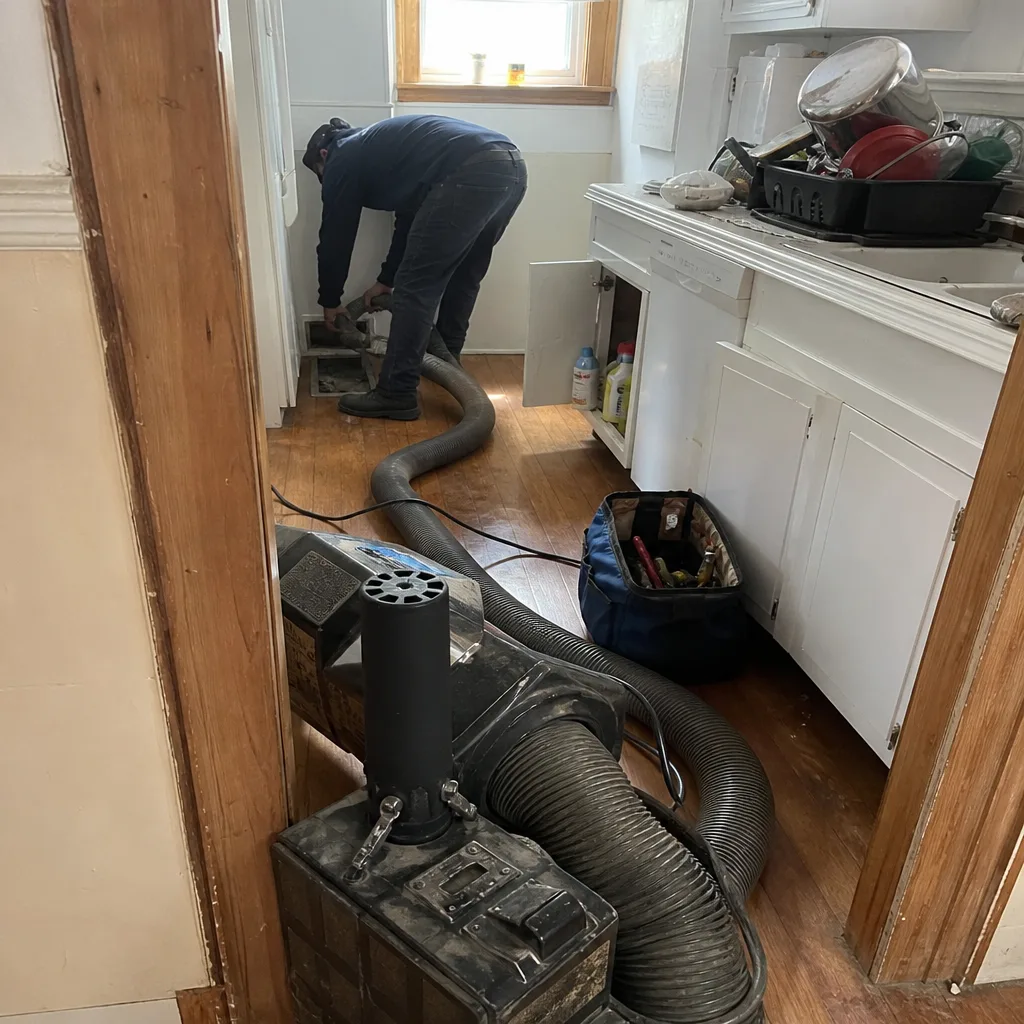 Before
 After
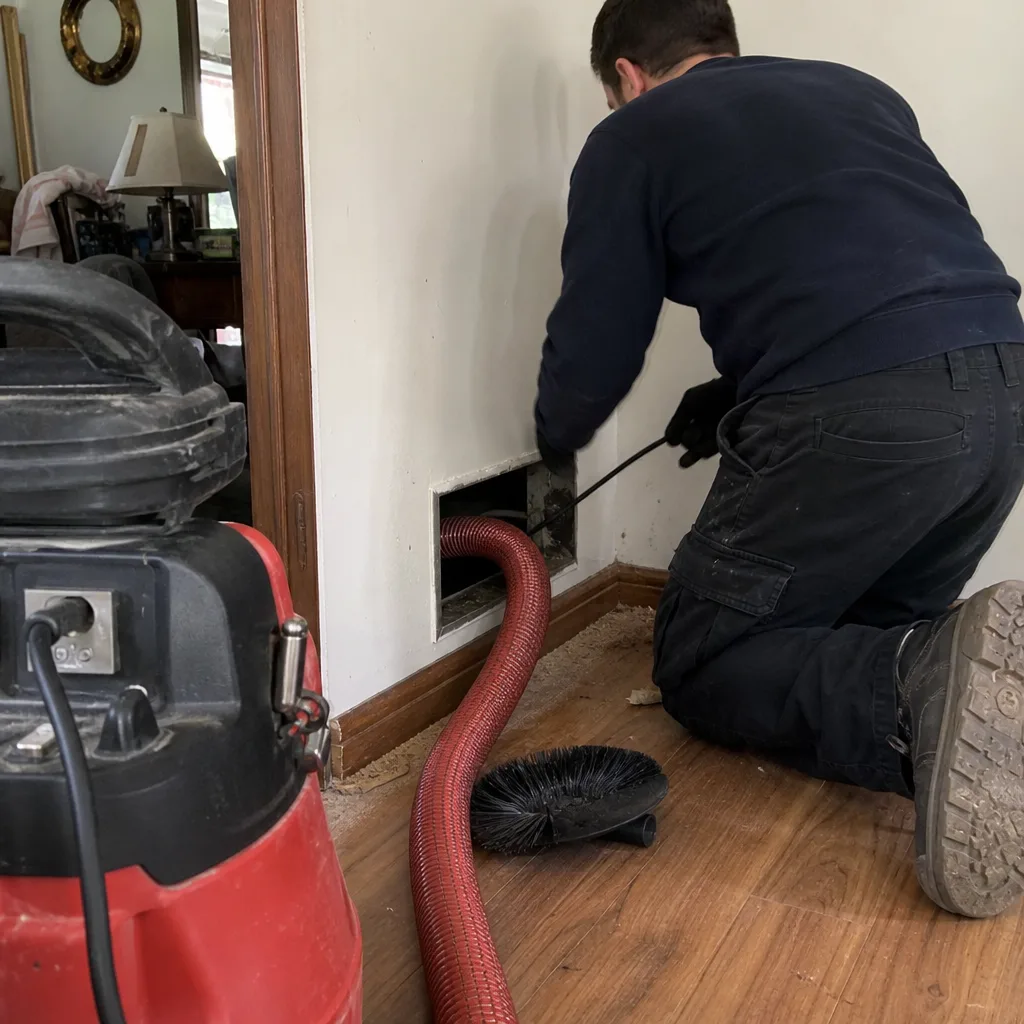 Before
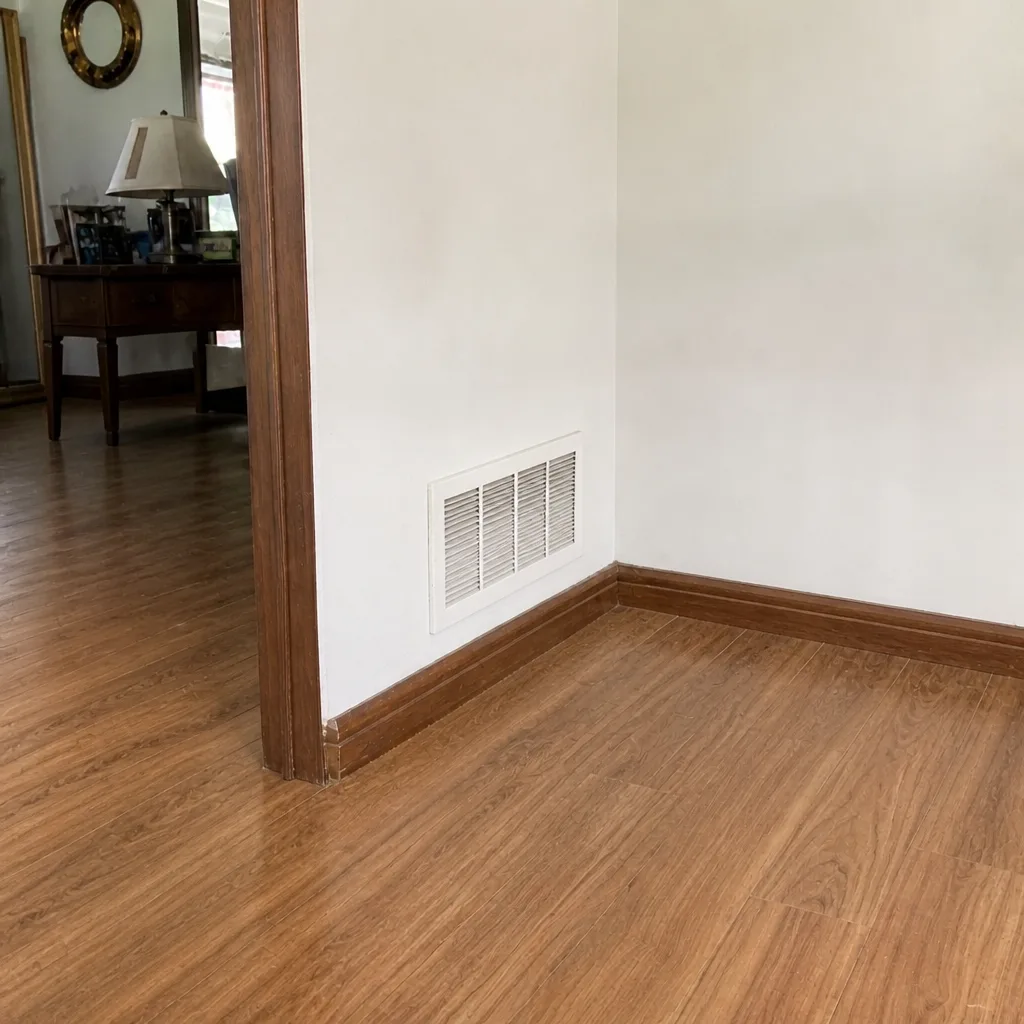 After
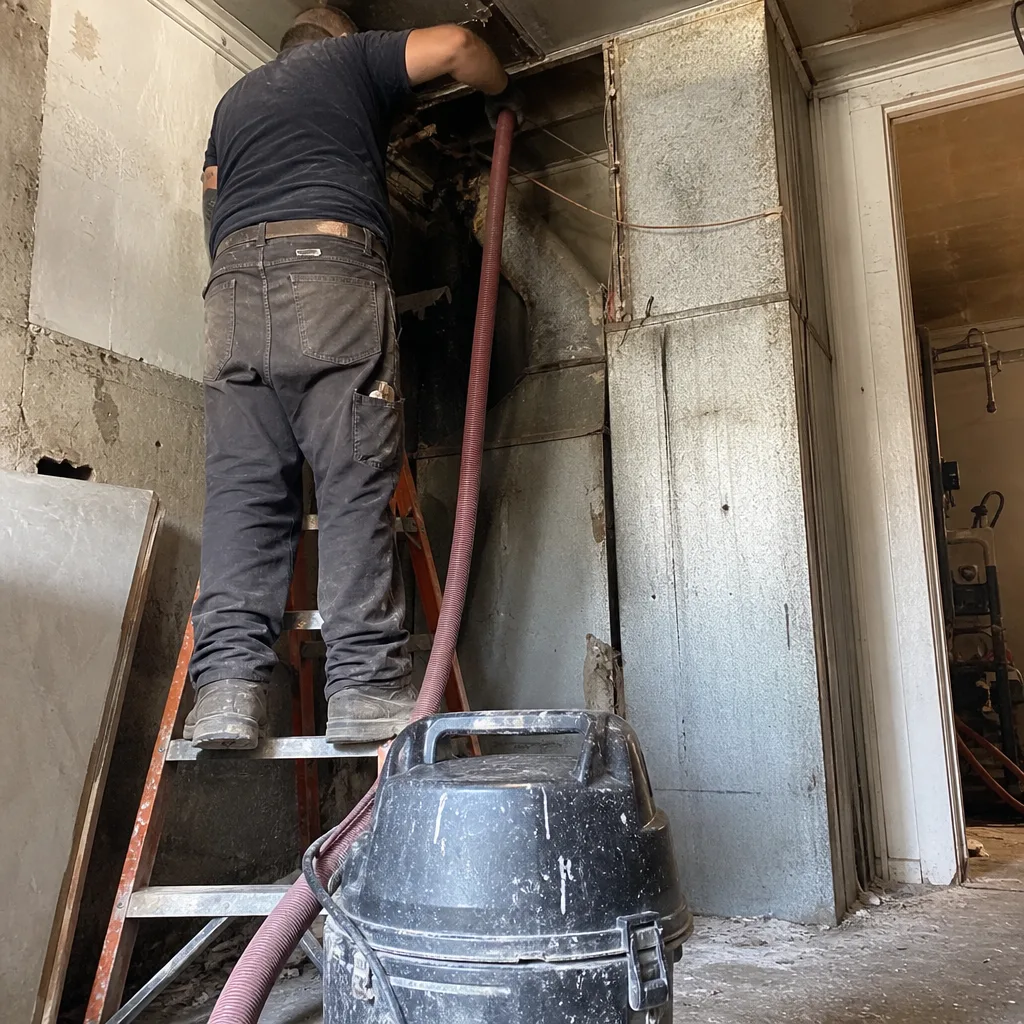 Before
 After
When to Call a Professional
Call a professional when you notice persistent musty odors on startup, visible dust returning to registers within days of cleaning, uneven room temperatures you can’t explain, humidity that stays high despite the system running, or signs of moisture at flex connections and liners. Also call after any renovation, after a move-in, or when someone in the home has allergy or respiratory conditions that seem to worsen indoors. For Black Rock homes, we suggest a professional evaluation at minimum once a year, timed to the shoulder season that matches your worst symptoms. Air Duct Cleaning Black Rock offers free estimates in Black Rock – call (855) 337-1198. We answer 24/7. Fast dispatch from 7am to 7pm, Sunday through Friday.
Frequently Asked Questions
Most Black Rock homes do well with a professional cleaning about once a year, timed to late summer or early fall so the cleaning happens before heating season locks in summer’s accumulation. Homes with pets, allergy sufferers, recent renovations, or a move-in should schedule sooner. Call (855) 337-1198 for an exact quote – estimates are free.
Fall is the highest-value window in Black Rock because contaminants are still loose and removable. Once the furnace runs continuously, material bakes onto the heat exchanger and becomes harder to lift. If you can only schedule one visit per year, schedule it in fall.
A musty smell on startup typically means material is sitting in the ducts or on the heat exchanger side of the air handler. Cold weather keeps the system cycling, so the smell appears each time it kicks on. It’s a signal to schedule a cleaning at the first shoulder-season opening. Call (855) 337-1198 to book an estimate.
Yes, because summer humidity is the single biggest driver of microbial growth in Black Rock ductwork. Check the drain pan and drain line annually, and watch indoor humidity when the AC runs. If it stays high, a Honeywell or Aprilaire installation may address the source better than repeated cleaning.
Coupon quotes are often low teaser prices that grow once the technician is on site. A full-service quote covers inspection, containment, cleaning, sanitizing, and repair in one visit at one flat price per system, agreed before work starts. Ask for before-and-after photos of your own ducts as proof. Call (855) 337-1198 for a quote.
Yes. When we find leaks, gaps, or damaged sections during a cleaning, we can repair and seal them on the same visit rather than reporting the problem and leaving. That end-to-end scope means you don’t need a separate contractor for related work. Call (855) 337-1198 to discuss what your system needs.
The Bottom Line
Black Rock’s position on Lake Erie means your ducts face a different seasonal pattern than the generic advice assumes: humid summers that promote growth, long heating seasons that bake contaminants onto metal, and shoulder periods where dust settles and compacts. The practical answer is a yearly calendar – fall cleaning before heating season, winter observation of odors and uneven temperatures, spring inspection of the heat exchanger side and return plenums, and summer attention to condensate management. Pair that with dryer vent cleaning as a safety item and you’ve covered the full scope of what a Black Rock home needs. Call (855) 337-1198 for a free estimate. We answer 24/7. Fast dispatch from 7am to 7pm, Sunday through Friday.
For a broader look at the full range of services, see Air Duct Cleaning Black Rock.
Written by the team at Air Duct Cleaning Black Rock.