
Last updated November 24, 2026
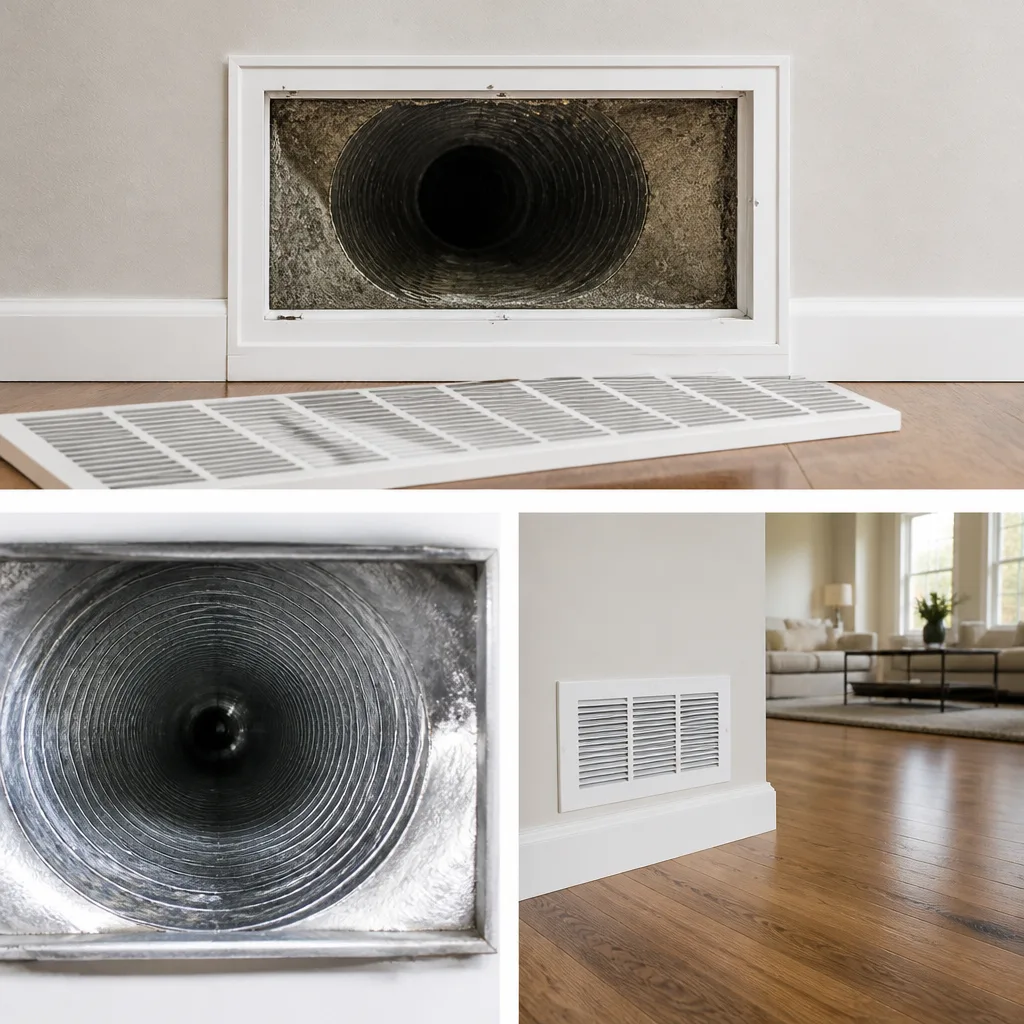 Whole-home duct cleaning
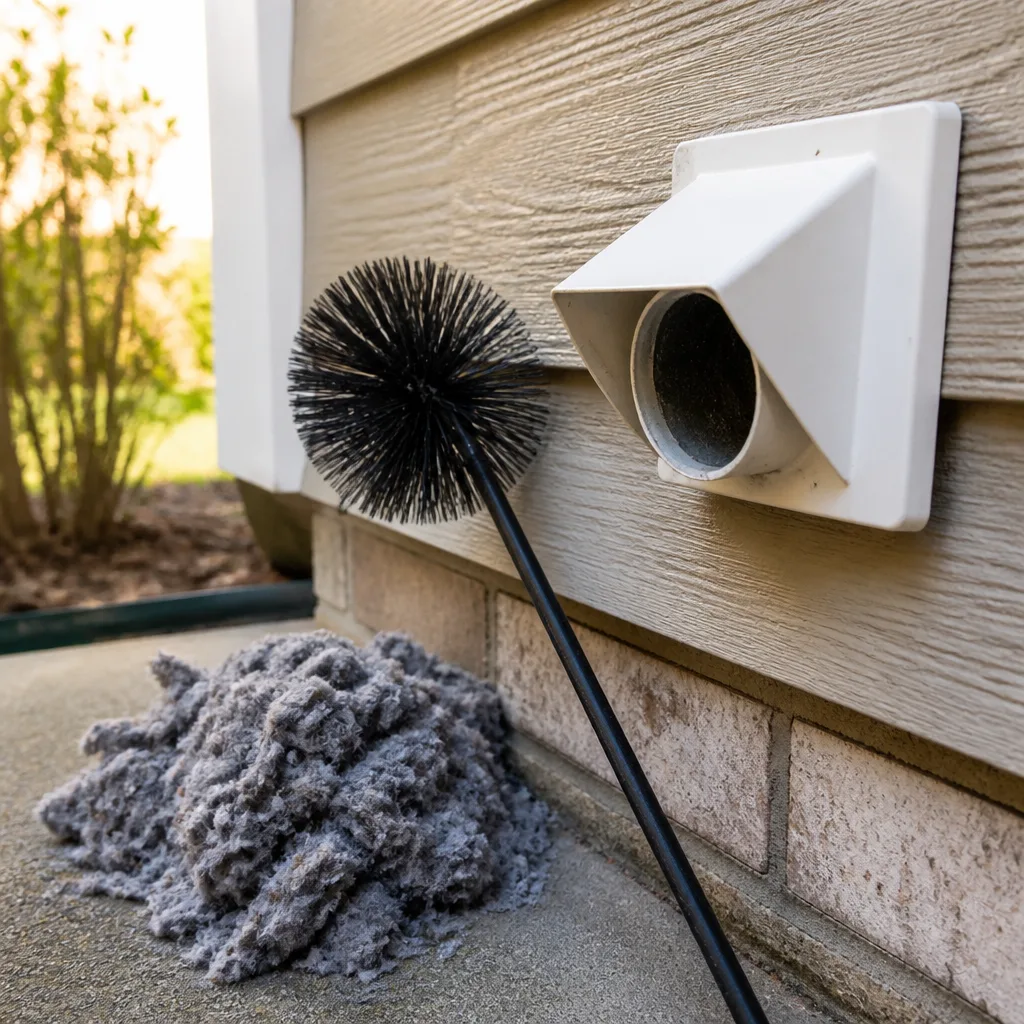 Dryer vent cleaning
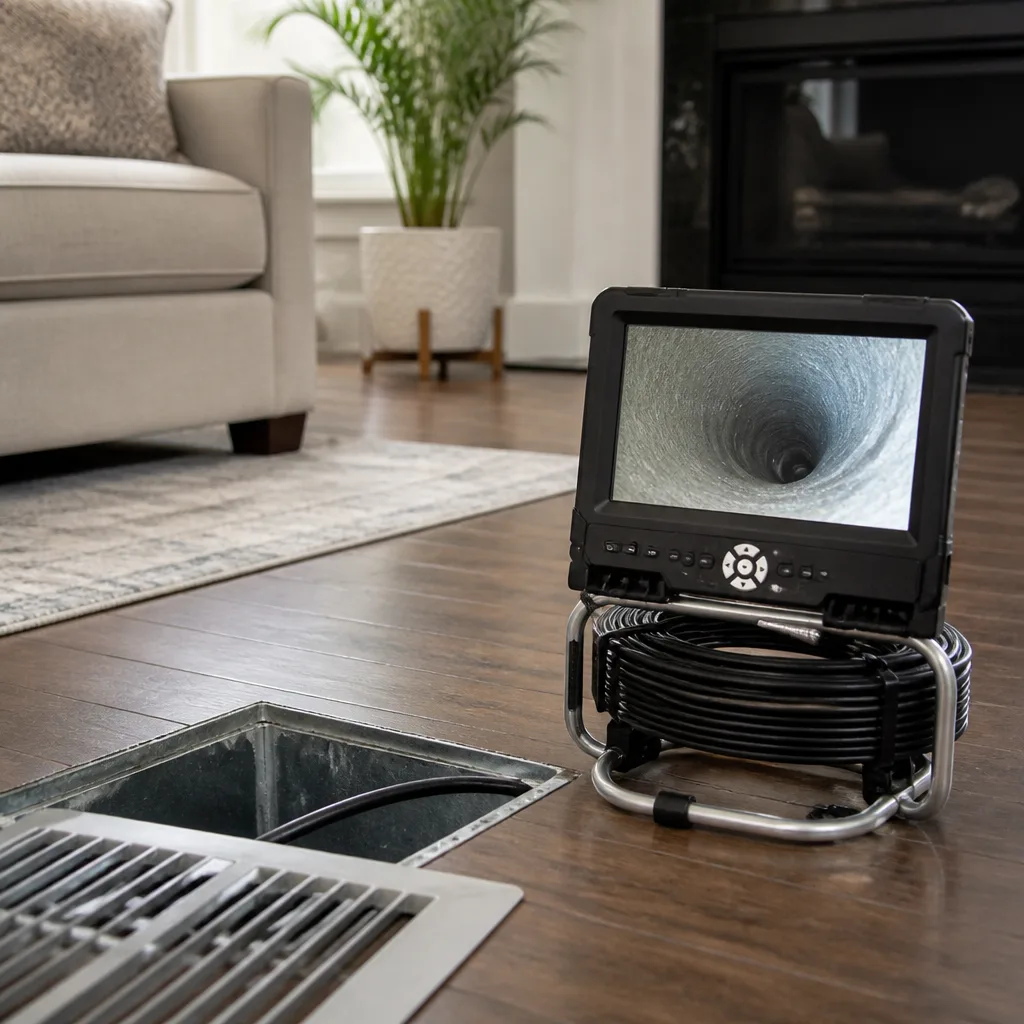 Camera inspection
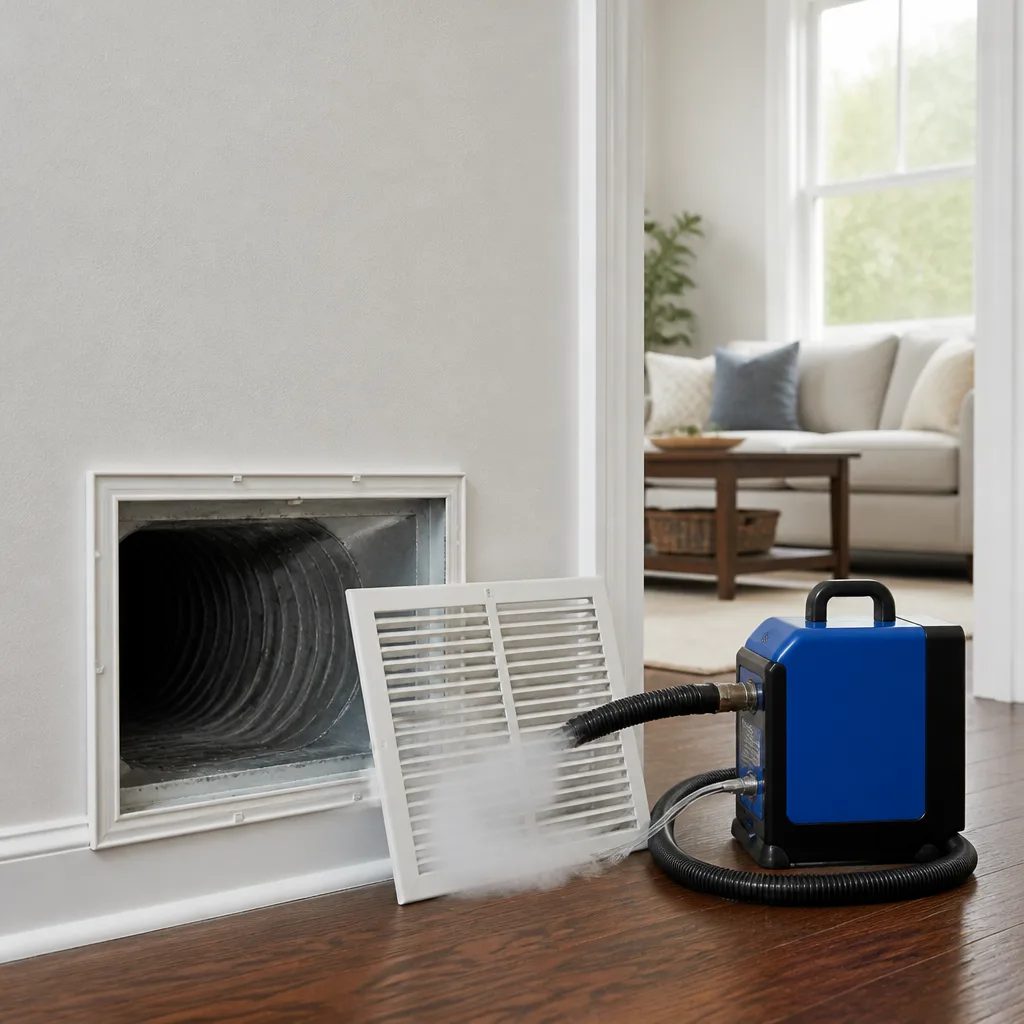 Sanitizing & deodorizing
Whole-system duct and dryer vent check with before-and-after photos - you see exactly what came out of your vents
That "$99 whole-house special" is a bait ad - the real number appears once they are in your hallway, or the "clean" is a shop-vac at the register. We photograph the inside of your ducts before and after instead.
How to Hire an Air Duct Cleaning Contractor in Black Rock: A Step-by-Step Guide
A $99 whole-house duct cleaning coupon is one of the riskiest offers you can accept in your home, and the reason isn’t the price itself. The work happens inside walls and ceilings where you can’t watch it and can’t easily check it afterward, which means the only real quality control you have happens before the technician arrives. Once the van pulls away, you’re left judging a job you couldn’t see performed. This guide gives you a question-by-question screening process built around what professional equipment, real credentials, and honest bids actually look like. We’ll walk through it for Black Rock homeowners who’d rather do the vetting up front than guess later.
Quick Answer
To hire an air duct cleaning contractor in Black Rock, verify three things before you book: the equipment (brand-name rotary brush systems plus HEPA-filtered negative air, not a shop vacuum), the credentials (verifiable NADCA membership and real references, not just a logo on a flyer), and the quote structure (a flat price per system after an on-site look, never a per-vent teaser). Ask each of those three questions in writing, request before-and-after photos and a documentation packet, and treat any bid you can’t confirm as an automatic pass.
Styles & brands we work with
- Whole-home duct cleaning
- Dryer vent cleaning
- Camera inspection
- Sanitizing & deodorizing
Table of Contents
- Why Hiring a Duct Cleaner Is Harder Than Hiring Most Contractors
- The Equipment Questions That Separate Pros From Coupon Operations
- What NADCA Membership Actually Requires – and How to Verify It
- Red Flags in a Duct Cleaning Quote
- How to Compare Two Legitimate Bids
- Access Points, Cutting, and What to Expect in a Black Rock Home
- Post-Job Verification: Documentation and the Walkthrough
- The Full Screening Process, Step by Step
Why Hiring a Duct Cleaner Is Harder Than Hiring Most Contractors
When you hire a roofer, you can look at the shingles from the curb. When you hire a painter, the walls tell you the story. Duct cleaning is different. The entire job unfolds inside a sealed system of sheet metal and flex duct running through your walls and above your ceilings, and most of it isn’t visible from any room in the house. That invisibility is exactly why the industry has a bait-and-switch reputation, and it’s why the contractor’s screening process has to carry all the weight.
In Black Rock, the housing stock makes this a little trickier than in newer subdivisions. Many homes here have duct systems that were installed long before today’s flex duct became standard, which means a technician running a rotary brush system often meets irregular transitions, older seams, and routing that doesn’t match a modern layout. A contractor who’s never walked a system like that can still claim the work was done. You’d never know the difference from the couch.
What that means practically is that you’re not buying a service so much as a set of verifiable commitments: the equipment used, the process followed, the documentation delivered. If a contractor won’t commit to any of those before the job, there’s no way to hold them to them after.
We’ve found that homeowners who go through a structured list of questions before booking end up with fewer surprises, and the contractors who answer them clearly tend to be the ones whose work holds up.
The Equipment Questions That Separate Pros From Coupon Operations
Professional duct cleaning is a two-part system: a machine that agitates the debris loose and a vacuum that captures it before it drifts back into the room. Consumer-grade vacuums and shop vacuums fail on both counts, and that’s the equipment most coupon outfits run. Here are the questions to ask, and what a solid answer sounds like.
1. Is your vacuum truck-mounted or portable, and does it run negative air?
The best setups use a truck-mounted or high-capacity portable vacuum that pulls the whole system into negative pressure, so loosened debris flows toward the machine instead of into your living room. A contractor who can explain their negative air setup in plain words is telling you they understand the physics of the job. A contractor who says “we use a big shop vac” is telling you a lot too.
2. What brush or agitation system do you use?
Ask for the brand. Professional rotary brush systems from manufacturers like Rotobrush are built to agitate the entire inner surface of the duct, not just brush past it. Brand names matter here because they signal the contractor is using equipment built for the job rather than adapting a home tool. Our own techs run Rotobrush and Nikro systems, and we mention the equipment because it’s how a homeowner can tell the difference without watching the work.
3. Do you use HEPA filtration during the job?
HEPA filtration captures fine particulate that standard filters let through, which matters most during the cleaning process when everything is airborne. Abatement Technologies equipment is a standard on the containment side, and we use it in part so that what’s released during cleaning stays contained.
4. Do you cut access points, and how many?
This is the question that separates a real cleaning from a cosmetic pass. Many duct systems don’t have enough access points to clean thoroughly, so a professional will cut additional openings and seal them afterward. If a contractor doesn’t mention access points at all, they’re either skipping them or don’t know to plan for them. Either way, ask directly.
What NADCA Membership Actually Requires – and How to Verify It
NADCA is the trade association that sets the industry’s cleaning standard, and plenty of contractors mention the name without being members. Mentioning it is not the same as holding it. The screening move is to ask for the verification yourself, not to take the word of the flyer.
How to verify NADCA membership
- Ask the contractor for their NADCA member ID or a link to their member directory listing.
- Look them up directly in NADCA’s online directory. If they’re listed, they’re a member.
- Ask which NADCA standard they follow for duct cleaning, and whether their technicians hold any NADCA certifications.
- Cross-check that the business name on the directory matches the one on your quote.
Membership requires adherence to NADCA’s standards and a commitment to the association’s code of ethics, which is why it means something. It doesn’t guarantee a perfect job, but it does mean the contractor has agreed to a standard you can hold them to. A contractor who can’t produce a directory listing is in the same bucket as one who’s never heard of it.
For Black Rock homeowners hiring for the first time, this is a five-minute check that eliminates a lot of risk. Ask for it in the first phone call, before anyone books a visit.
Red Flags in a Duct Cleaning Quote
Most bad duct cleaning experiences are visible in the quote before the technician ever shows up. Here’s what to watch for, drawn from what we’ve seen homeowners bring us after a bad job.
- Per-vent pricing. Quotes priced per vent or per register reward the contractor for doing less and encourage add-ons. A professional prices the whole system as a flat job after seeing it.
- No on-site visit before the quote. A real bid starts with a look at your system. A phone quote can’t see the duct layout, the number of systems, or the access problems, which means it’s a guess designed to convert.
- Unusually short time estimates. A thorough cleaning of a typical Black Rock home takes real time. If a contractor says it’ll take less than an hour, they’re describing a surface pass, not a full cleaning.
- No mention of access points. If there’s no plan to cut and reseal access, the ducts behind the tightest runs won’t get cleaned.
- “NADCA-certified” with no verification. Ask for the member ID and check it. A real member is happy to share it.
- Aggressive add-on sales once on-site. A technician who arrives and suddenly finds five urgent problems is usually following a sales script. Ask for the diagnosis in writing and compare against the bid.
- No documentation after the job. Before-and-after photos, a written report, and a walkthrough are part of the work. A contractor who disappears after payment didn’t finish the job.
Any one of these isn’t an automatic disqualifier, but two or three together almost always means you should get a written bid from someone else.
How to Compare Two Legitimate Bids
Two honest bids for the same Black Rock home can still look different, and the difference is usually in what each bid includes. Line items are what you compare, not the bottom number. A lower bid that skips half the process isn’t cheaper; it’s incomplete. Here’s what a professional bid should break out.
- Number of systems and the flat price per system. Most homes have one system; some have two. Pricing should reflect that.
- Cleaning scope, named by component: supply ducts, return ducts, registers, grilles, plenum, air handler interior, and blower.
- Equipment named: the vacuum type, the brush brand, and the HEPA filtration setup.
- Access point plan: how many will be cut, and who reseals them afterward.
- Duct repair and sealing line items, if the on-site inspection found leaks, gaps, or damaged sections. A contractor who can fix what they find on the same visit saves you a second booking. Our duct repair and sealing work happens in the same trip, alongside the cleaning, because the leak you find during cleaning is cheaper to fix before the walls go back to normal.
- Sanitizing, if offered, with the product named. A recognized treatment standard is better than a vague “we spray something.”
- Documentation delivered: before-and-after photos, a written report, and a walkthrough of what was cleaned.
Look at the ranges too. A bid that’s dramatically lower than the rest almost always has a smaller scope, not a better price. A bid that’s dramatically higher should explain exactly what the additional work buys you. If neither bid can tell you that, keep shopping. The price itself isn’t set until the written estimate, and that estimate should follow the on-site visit, not precede it.
Access Points, Cutting, and What to Expect in a Black Rock Home
Access points are the most under-discussed part of duct cleaning, and in Black Rock they’re often the deciding factor between a real job and a cosmetic one. A duct system needs openings at strategic points so the vacuum and the brush can reach every branch. Most homes have only one or two points where the system can be accessed without cutting, which means the standard practice is to cut additional openings and seal them when the job is done.
What to ask the contractor about access:
- How many access points will you need? The answer depends on the system layout and the number of branches.
- Where will they be cut? A professional maps them before starting so you can approve the locations.
- How will they be sealed after? The seal has to hold, not just cover. Poorly sealed access points become leaks and pull unfiltered air into the system.
- Will you verify the seal after? A quick smoke test or pressure check confirms the seal is tight.
In Black Rock, the housing mix matters here. Older homes often have sheet metal ductwork with rigid transitions and limited existing access, while newer construction might use flexible duct with more branches. Each layout changes the access plan. A contractor who’s worked both types can tell you what to expect before the job starts, which is the whole point of screening.
When the cleaning, repair, and sealing all happen in one visit, you avoid the scramble of hiring a second contractor after the access cuts are discovered. We clean it, repair it, and seal it in one visit, and we think that’s the right way to handle a job that touches walls and ceilings.
Post-Job Verification: Documentation and the Walkthrough
The job isn’t finished when the machine shuts off. The last ten minutes are where you convert an invisible service into something you can actually verify. Here’s what a professional hand-off should include.
Documentation to request
- Before-and-after photos of each duct run, the registers, the air handler, and the blower. This is the closest thing you’ll get to watching the work.
- A written report of what was cleaned, what was sealed, and what was repaired, with access points noted.
- Names of any products used in sanitizing, if that was part of the job.
- A contact number and warranty terms for the work performed.
What the walkthrough should cover
The technician should walk you through the access points and confirm each one is sealed, show you the air handler interior and the blower after cleaning, and demonstrate that the system’s airflow is undisturbed. If you have a filter, they should show you the filter they installed or explain what one to use going forward. Ask questions during the walkthrough. The contractor who’s proud of the work will answer them without flinching.
Here’s the honest part: any contractor can skip this step. That’s why you ask about it before the job, not after. A contractor who promises documentation in the bid has to deliver it; a contractor who never mentioned it doesn’t.
If you’re also planning to address air quality over the long term, this is the moment to talk about whether a Honeywell or Aprilaire product would make sense for your system. Those are recognized names in home air quality, and pairing a cleaning with a filtration upgrade is often more practical than booking a second visit for the same system.
The Full Screening Process, Step by Step
Here’s the whole screening sequence in one place. It’s the process we’d walk any Black Rock homeowner through if they called us to ask how to choose.
- Start with the credentials check. Ask for the NADCA member ID and verify it in the directory before booking an on-site visit. This five-minute step filters out the no-shows.
- Request an on-site visit for the bid. No phone quotes. The contractor needs to see the system to price it honestly.
- Ask the equipment questions. Vacuum type, brush brand, HEPA filtration, and access point plan. Get the answers in writing if you can, or write them down yourself.
- Read the bid for line items. If it’s a flat number with no scope, send it back and ask for the breakdown. A real bid includes components, equipment, access, and documentation.
- Compare two bids on scope, not price. The cheaper bid wins only if it covers the same work.
- Confirm the post-job deliverables. Photos, report, walkthrough, and warranty terms, agreed before work starts.
- Prepare the home for the visit. Move fragile items away from registers and access points, clear a work path to the air handler, and let the technician know about pets or young children so they can plan around them.
- Walk the job at the end. New access points sealed, air handler and blower shown clean, documentation in hand.
None of these steps requires technical skill. They require only that you ask, and that you accept only answers you can verify. That’s the whole game.
Common Mistakes to Avoid
- Booking off the coupon instead of the bid. Mailers offer a low headline price that rarely matches the invoice after add-ons. Treat the coupon as a reason to call, not a reason to commit.
- Skipping the directory check. “NADCA-certified” is a claim, not a credential. Verify before the visit, not after.
- Taking a phone quote. If the contractor won’t walk the system before pricing it, they can’t know what the job actually involves.
- Assuming the cheapest bid is competitive. In a market where some operators skip access points and documentation, a lower bid often just means less work.
- Not asking about access points. If nobody’s mentioned cutting and resealing, the rear runs of your system may not get cleaned at all.
- Accepting the job without documentation. Photos and a written report are your only post-job proof. Ask for them before work begins.
- Forgetting the dryer vent. A dryer vent is a separate safety issue from duct cleaning, and it’s easy to overlook when you’re focused on the HVAC system. If you’re booking duct work anyway, ask about dryer vent cleaning in the same visit.
See the difference
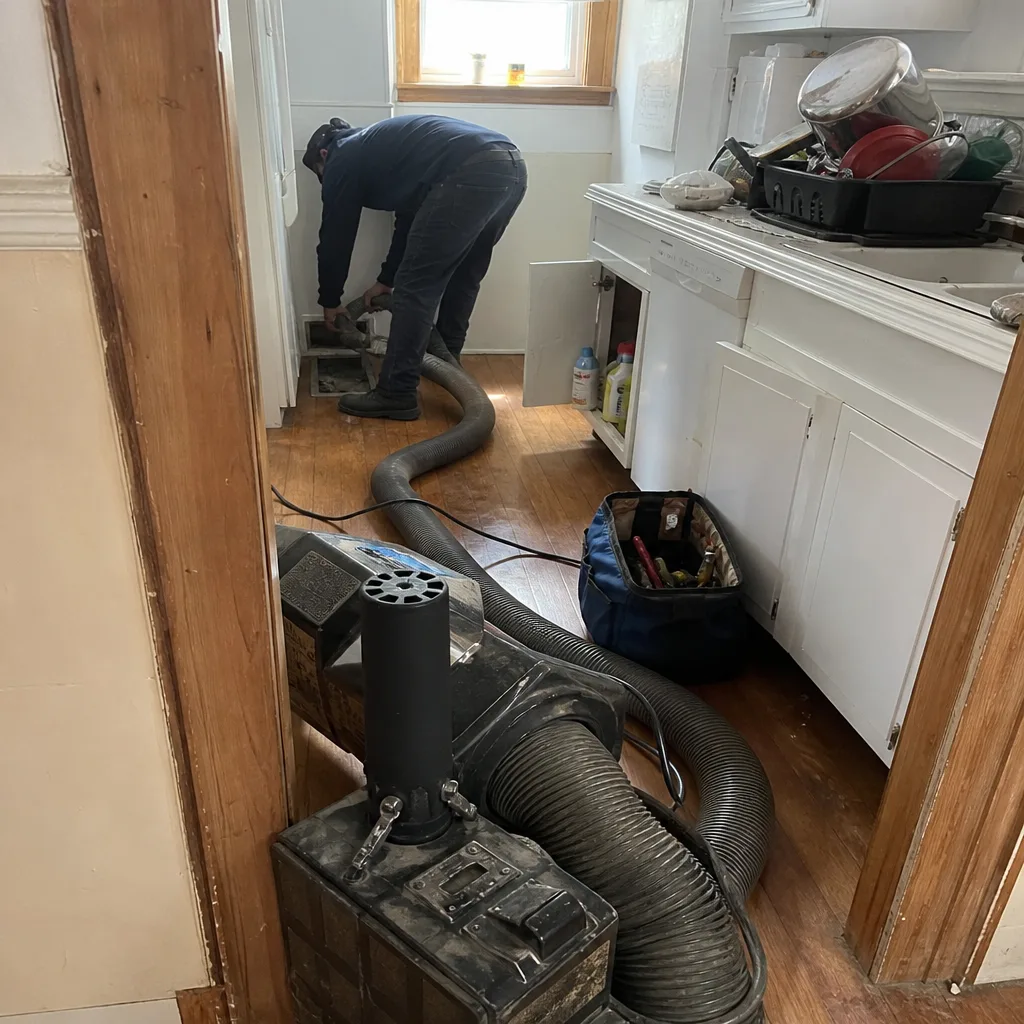 Before
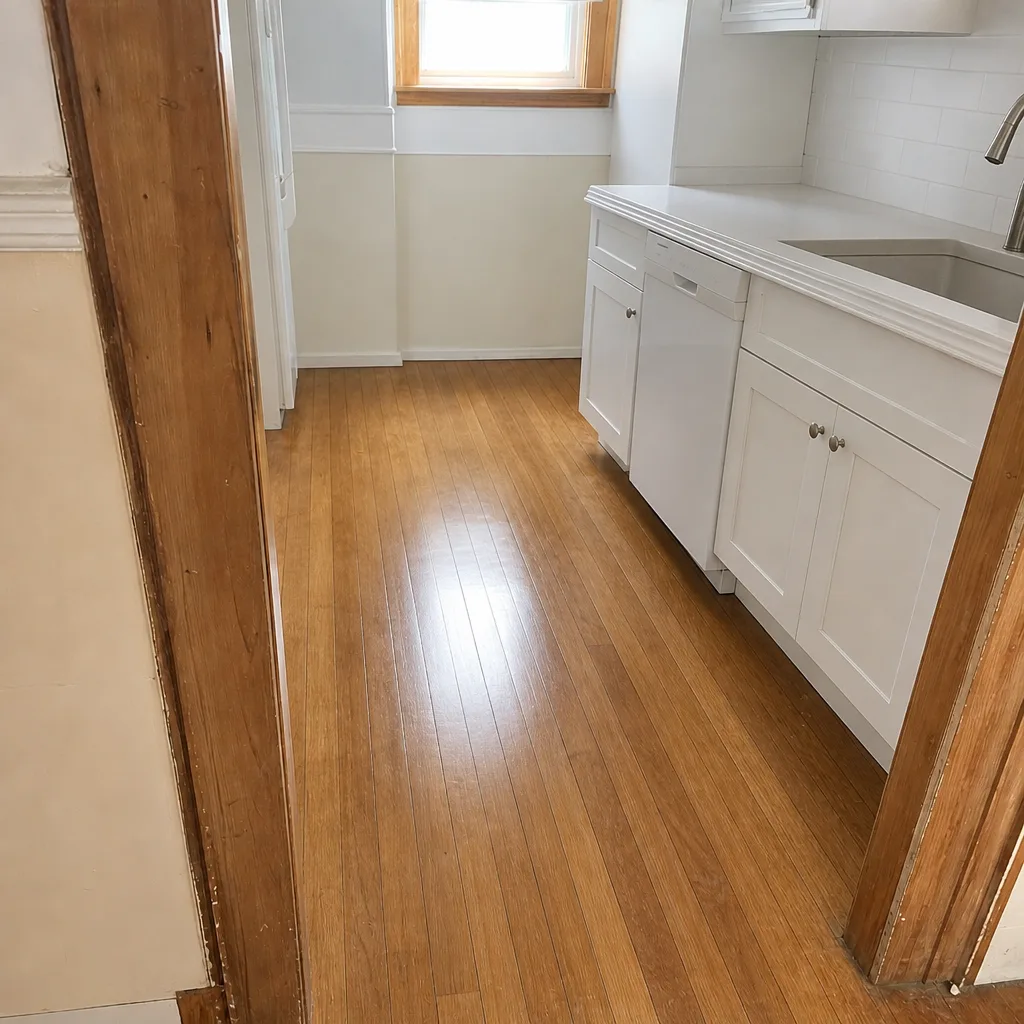 After
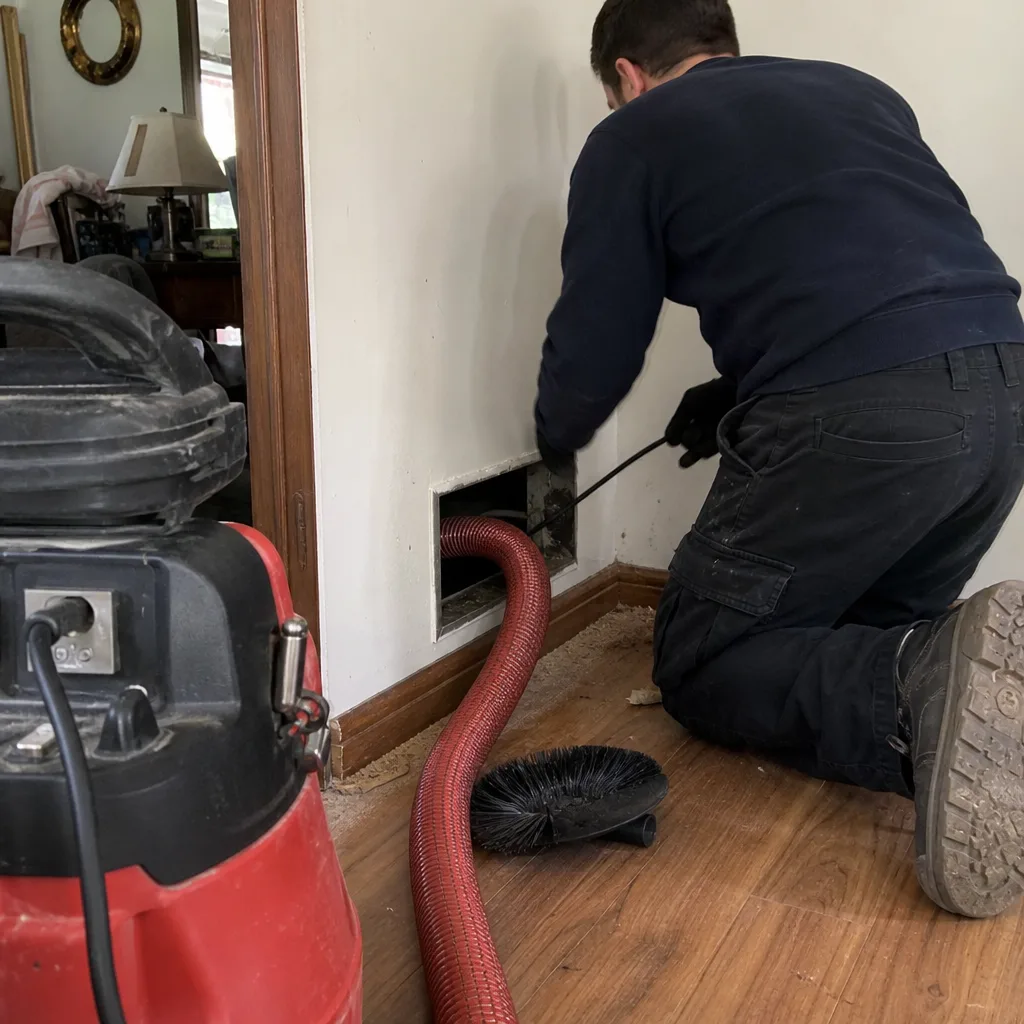 Before
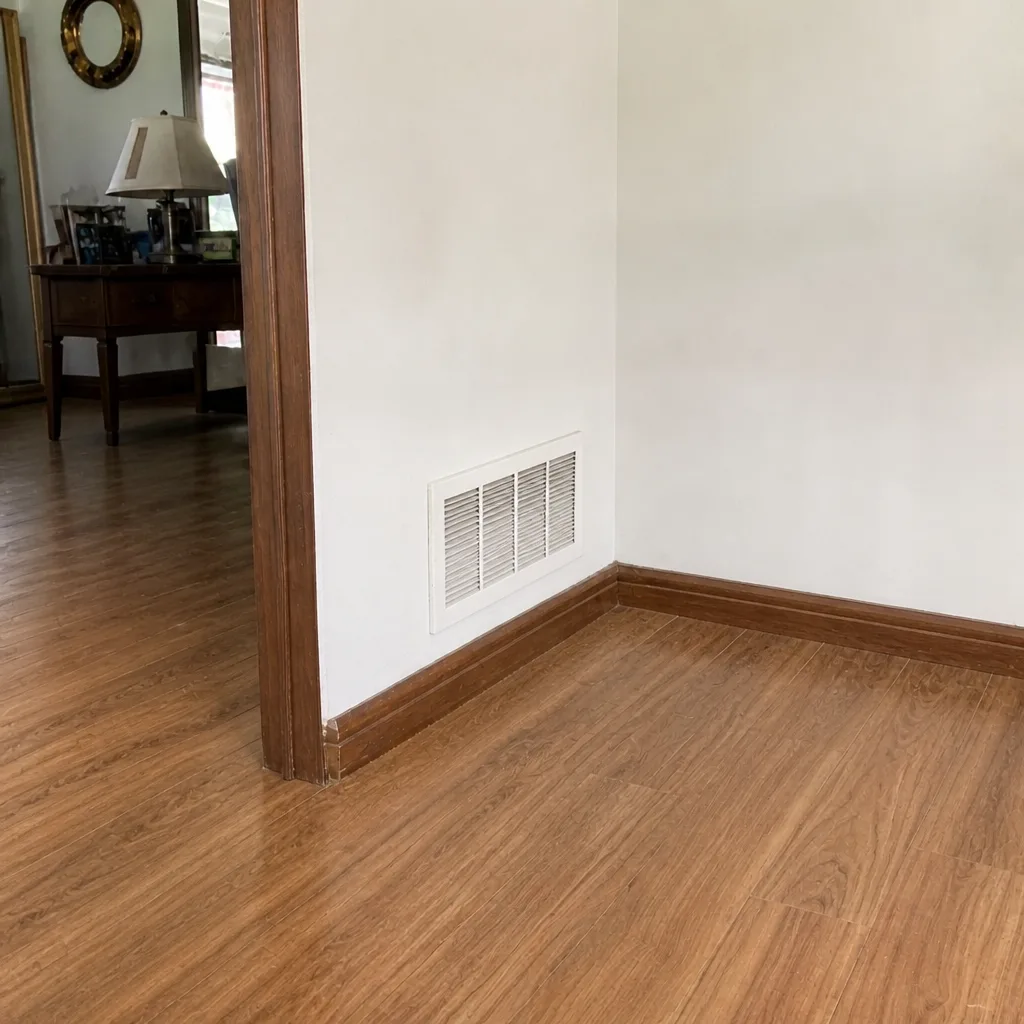 After
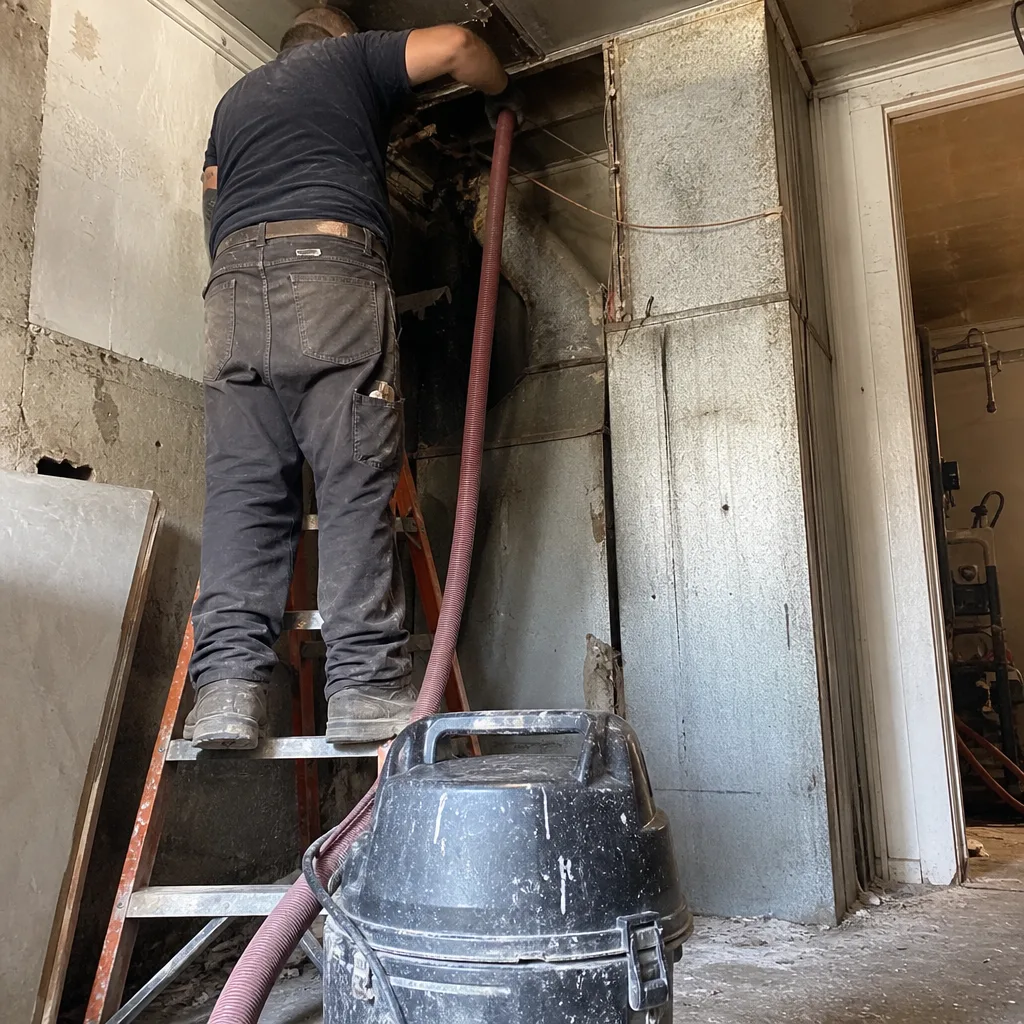 Before
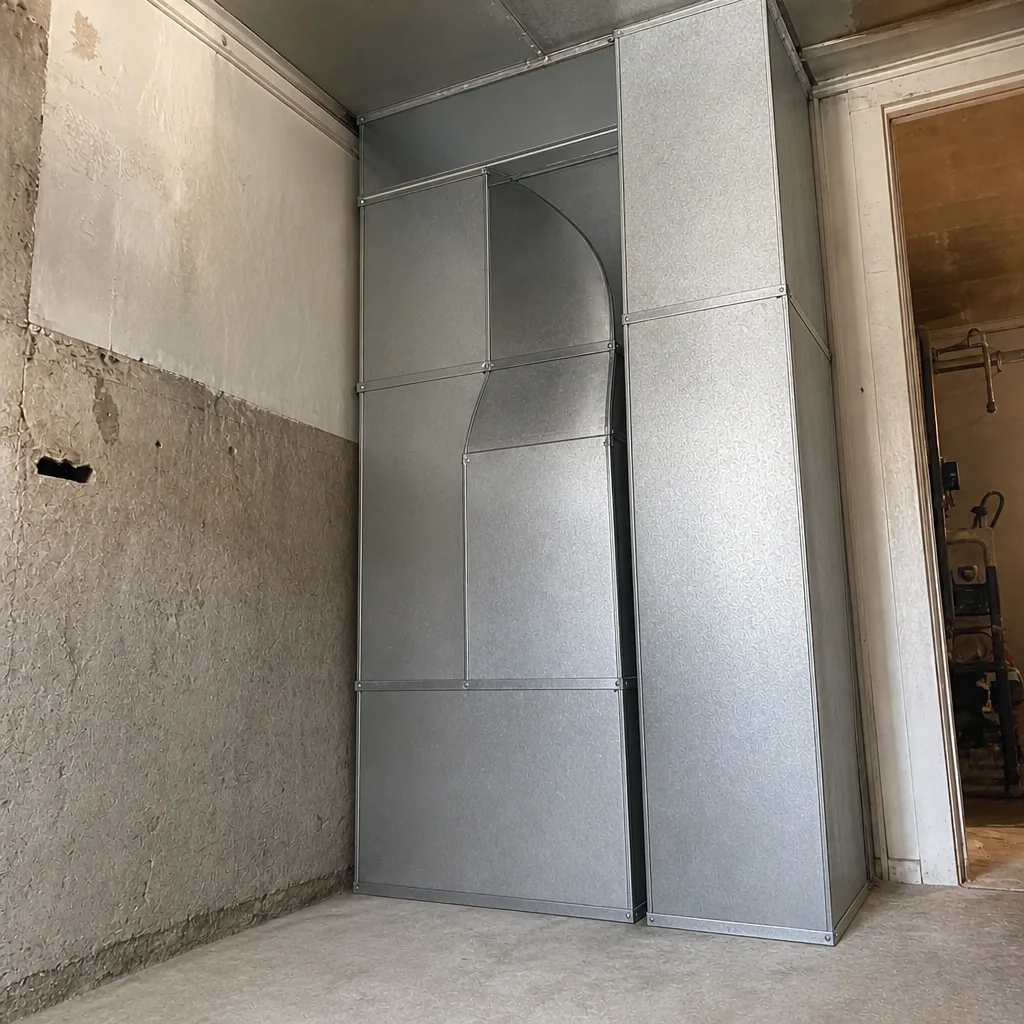 After
When to Call a Professional
You don’t need a duct cleaning on a schedule. You need one when something has changed in the system. Call a professional if you’ve recently moved into a Black Rock home and don’t know its service history, if you’ve finished a renovation that sent dust through the HVAC system, if you’re seeing visible dust at the registers shortly after a cleaning, or if anyone in the household is noticing more respiratory irritation than usual. Pet owners and families with young children often call for the same reason. If the system has never been cleaned and you don’t know what’s inside the vertical runs, that’s another reason to have it looked at. Air Duct Cleaning Black Rock offers free estimates in Black Rock – call (855) 337-1198. We answer 24/7, with fast dispatch from 7am to 7pm, Sunday through Friday. If you’d rather review the service in depth first, our Air Duct Cleaning Black Rock page covers what we handle.
Frequently Asked Questions
There’s no single number that applies to every Black Rock home, because the price depends on the number of systems, the access plan, and whether repair or sealing is needed. A professional bid prices the whole system as one flat job after an on-site look, not per vent. Call (855) 337-1198 for an exact quote. Estimates are free.
Cheaper quotes are almost always smaller jobs dressed up as the same service: fewer access points, consumer-grade vacuums, shorter visits, no documentation. You’re paying less because less work is being done. The honest comparison is scope against scope, not price against price.
Before-and-after photos, a written report of what was cleaned and sealed, and a walkthrough at the end of the job. Ask for all three before work starts. A contractor who documents the job is also the one who tends to do it correctly. Call (855) 337-1198 to book a free estimate.
There’s no universal schedule. A home with pets, recent renovations, or occupants with allergies usually calls sooner than a home with a clean history and no symptoms. The decision point is a change in the system or the household, not a calendar interval. Call us for a free estimate whenever you’re unsure.
No, they’re separate systems and separate jobs. Dryer vent cleaning is part of our service scope along with HVAC cleaning and air duct cleaning, so if you’re booking one, ask about the other in the same visit. It’s easier than scheduling a second trip.
Yes, when the inspection finds leaks, gaps, or damaged sections. Repairing them alongside the cleaning means the same crew handles both, and the fix happens before the system runs on a compromised seal. Call (855) 337-1198 to arrange a free estimate that covers cleaning, repair, and sealing together.
The Bottom Line
Hiring a duct cleaning contractor in Black Rock comes down to verifying what you can’t see. Ask for the equipment brands, check the NADCA listing yourself, insist on a flat price per system after an on-site visit, and require before-and-after photos with a walkthrough. Skip any of those and you’ve handed the quality control back to a contractor you may never be able to check. Our technicians have up to 11 years of experience with professional-grade equipment from Rotobrush, Nikro, and Abatement Technologies, plus Guardsman sanitizing treatments when the job calls for it. If you’d like to start with a free estimate, call (855) 337-1198. We answer 24/7, and dispatch runs from 7am to 7pm, Sunday through Friday.
Written by the team at Air Duct Cleaning Black Rock.