
Last updated November 24, 2026
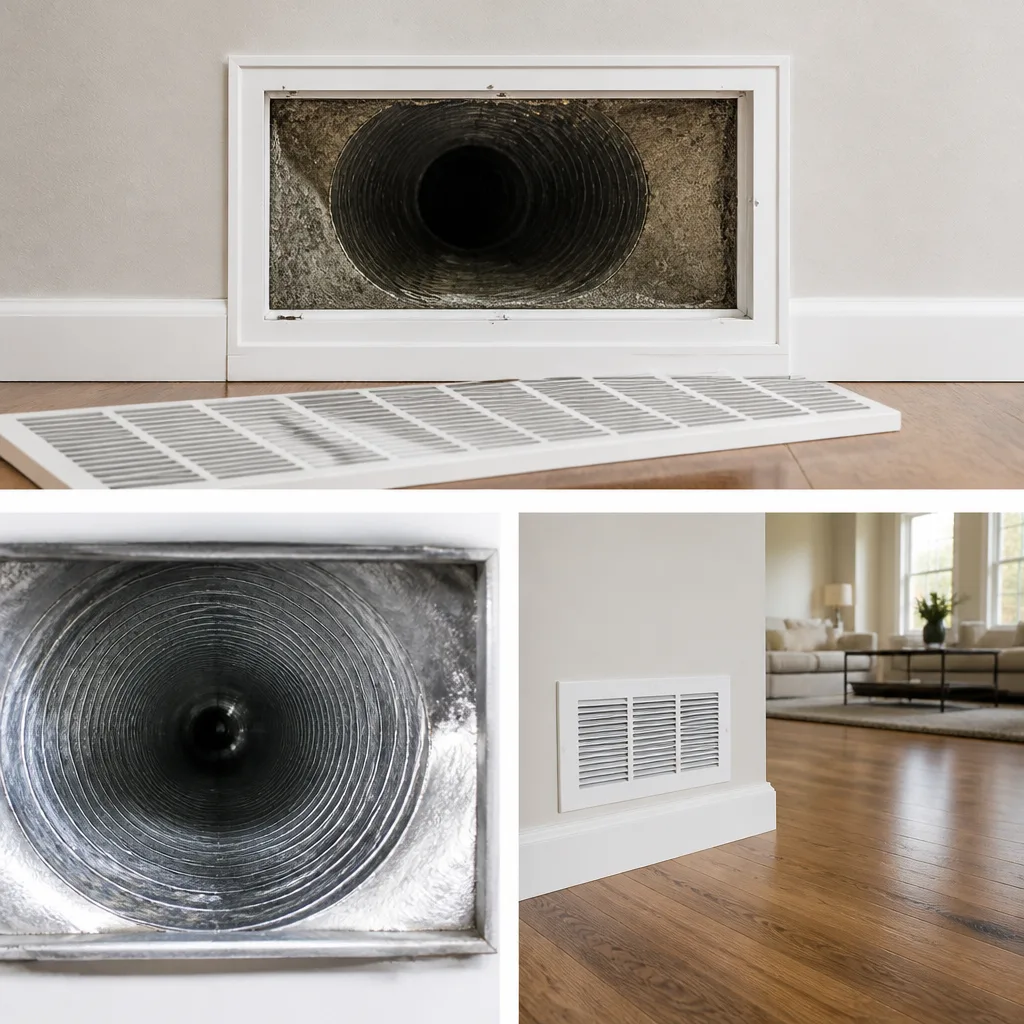 Whole-home duct cleaning
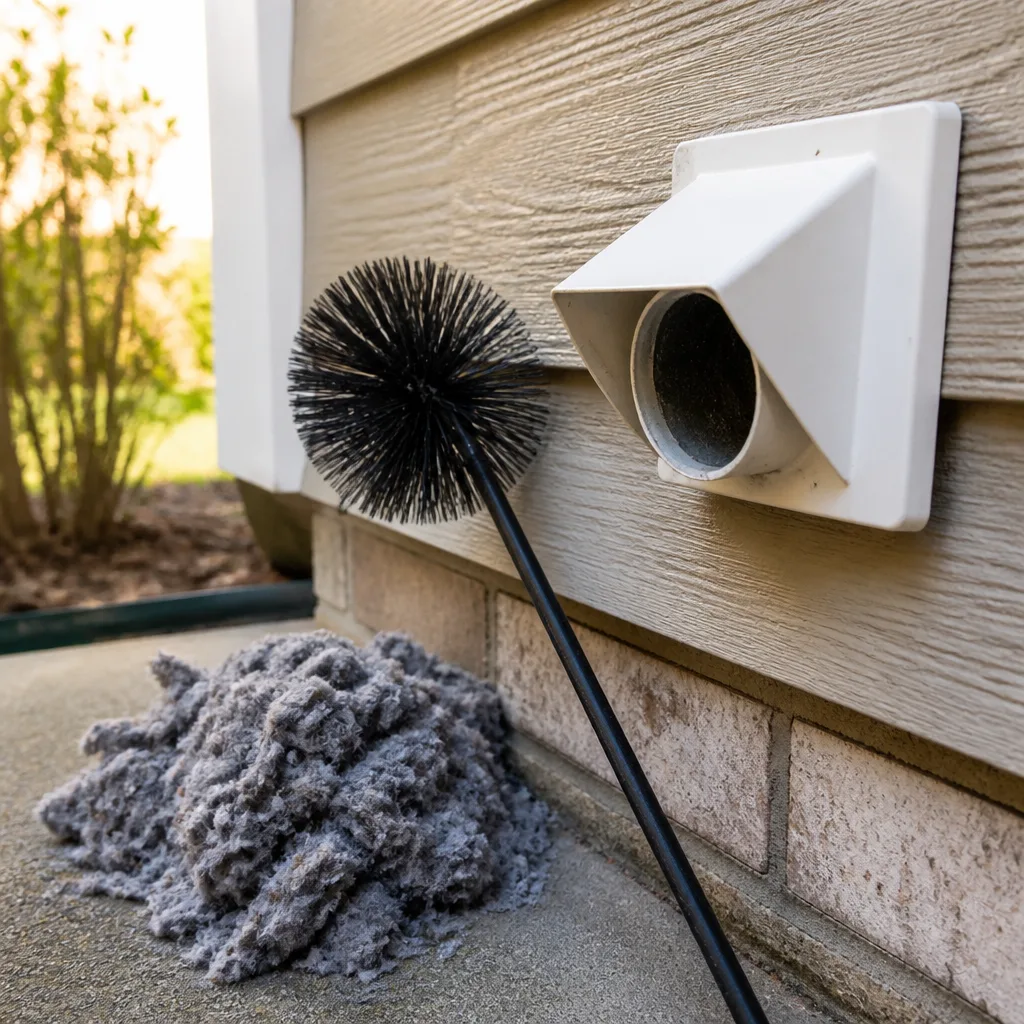 Dryer vent cleaning
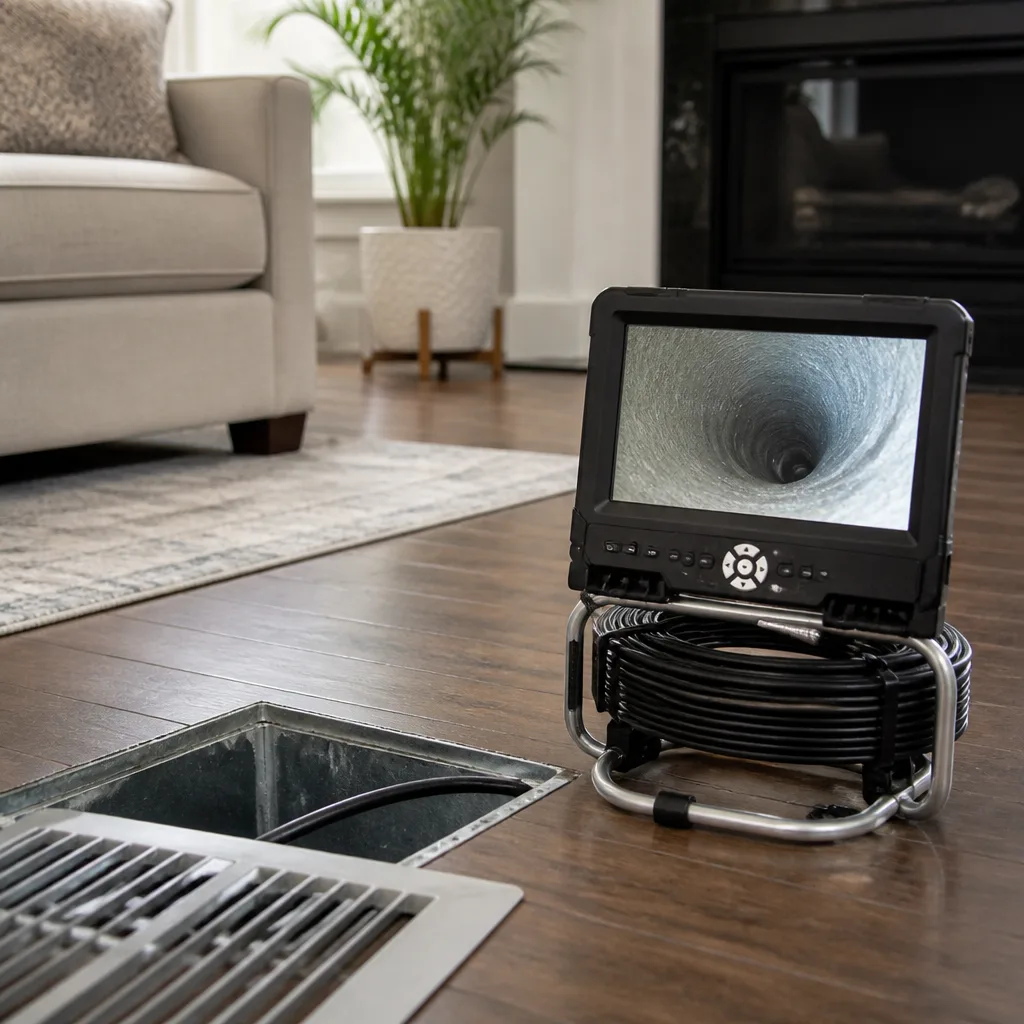 Camera inspection
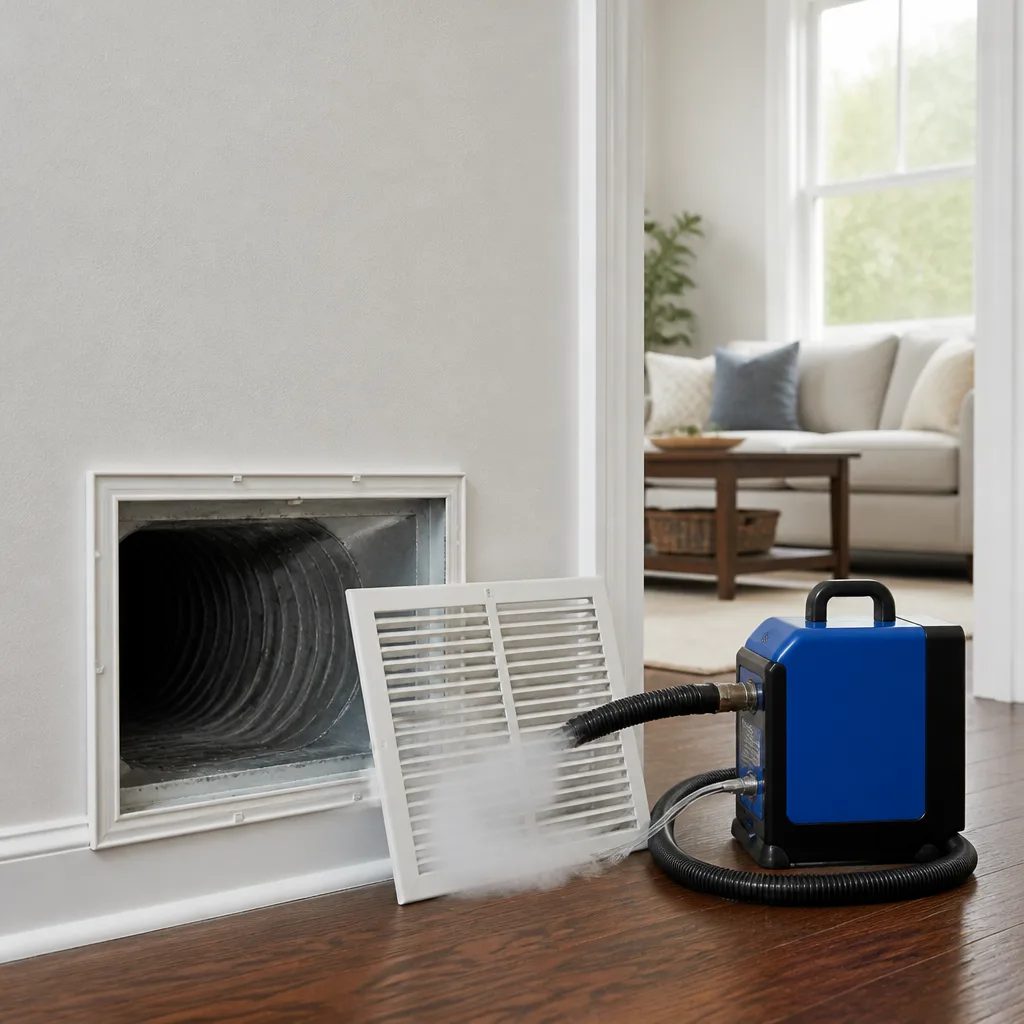 Sanitizing & deodorizing
Whole-system duct and dryer vent check with before-and-after photos - you see exactly what came out of your vents
That "$99 whole-house special" is a bait ad - the real number appears once they are in your hallway, or the "clean" is a shop-vac at the register. We photograph the inside of your ducts before and after instead.
DIY vs Professional Air Duct Cleaning: The Black Rock Homeowner’s Decision Guide
A shop vac attached to a dryer vent brush kit pushes contaminated air back into your living space a good part of the time. That’s not a cleaning. It’s redistribution. The dust you see puffing out of the register isn’t the problem leaving – it’s the problem arriving. Here in Black Rock, where so many homes run forced-air heat through the long cooling season and the humid stretch of late summer, that difference matters more than a coupon ever lets on. This guide explains the physics behind negative pressure and particle capture, what you genuinely can do yourself, and how to combine both for the best outcome at the lowest total cost.
Quick Answer
Professional air duct cleaning is worth it over DIY because only a truck-mounted or high-powered HEPA system can create the sustained negative pressure and airflow needed for true source removal, and consumer vacuums cannot. DIY is fine for surface tasks like register cleaning, filter swaps, and return grille maintenance. For a Black Rock home with visible debris, allergen concerns, or a recent renovation, a professional cleaning followed by ongoing DIY upkeep is the combination that costs least over time.
Styles & brands we work with
- Whole-home duct cleaning
- Dryer vent cleaning
- Camera inspection
- Sanitizing & deodorizing
Table of Contents
- Why DIY Air Duct Cleaning Usually Fails
- The Physics: Negative Pressure and Particle Capture
- What You Can Genuinely Do Yourself in Black Rock
- When DIY Is Acceptable and When It Creates Risk
- Cost-Benefit: DIY vs Professional Over a 3-5 Year Cycle
- How to Combine DIY Maintenance With Professional Cleaning
- What Professional Equipment Actually Does
- Common Mistakes to Avoid
Why DIY Air Duct Cleaning Usually Fails
Walk into any home improvement store in Black Rock and you’ll find a kit that promises to clean your ducts for the price of a takeout dinner. A hose, a brush, maybe a plastic adapter for the vacuum. The trouble is that these kits are built around a vacuum that moves a fraction of the air volume a duct cleaning system needs. You’re not pulling debris out of the trunk line – you’re disturbing it and hoping it settles somewhere harmless.
The reason matters. Ducts are not sealed on the inside. Every joint, every takeoff, every loose flex connection is a path for air to move. When you agitate dust with a brush and your vacuum can’t capture the airborne particles in the same instant, that dust has to go somewhere. It drifts into the room, coats the register, or settles a few feet down the duct where it will lift again on the next furnace cycle. In our experience, that’s why DIY “cleaning” often leaves a Black Rock homeowner convinced the ducts weren’t that dirty, when the truth is the debris was simply moved.
- Consumer vacuums lack sealed HEPA filtration, so fine particles pass through the exhaust and back into the room.
- No negative pressure zone is ever established, so dislodged debris has no reason to leave the duct.
- Brush kits can’t reach more than a few feet into a run, leaving the trunk line untouched.
- Flexible duct is easy to puncture with a stiff brush, and a puncture becomes a permanent leak.
The result is a lot of effort for very little actual removal. If you want to understand what genuine duct cleaning involves, our overview of air duct cleaning explains the source-removal method.
The Physics: Negative Pressure and Particle Capture
Real duct cleaning is controlled airflow, not scrubbing. A professional system pulls a strong vacuum on the main trunk while a technician works each branch with an air whip or rotary brush. The key is that the whole duct network stays under negative pressure the entire time. Air is always moving toward the collection unit, never away from it. That single condition is what separates cleaning from redistribution.
Consumer equipment cannot create that condition. A shop vac pulls a modest airflow and drops off fast once the hose runs 15 or 20 feet. Airflow through a duct falls off with distance, and without a sealed vacuum on the trunk, the system simply draws replacement air from every open register in the house. That’s the physics problem in plain terms: any vacuum that’s not sealed to the trunk is fighting the whole house for the air it’s trying to move.
We use Rotobrush and Nikro systems precisely because they hold the pressure and the airflow needed to keep the debris moving the right way. Abatement Technologies air filtration units help contain the fine fraction at the register or work area, which matters in a Black Rock home with carpet, pets, or a recent renovation. If you’ve just finished a remodel, sealing the work zone is as important as the cleaning itself. Our guide to HVAC cleaning goes deeper into the system-level work.
What You Can Genuinely Do Yourself in Black Rock
There’s real value in the small maintenance tasks, and we’d rather you do them properly than skip them. These are the jobs a homeowner handles without specialist equipment, and they extend the time between professional cleanings.
- Clean the supply registers and return grilles. Remove the grille, wipe it down with a damp cloth, and vacuum the surface behind it. Do this once a season. It stops dust from the living space being pulled straight back into the airflow.
- Replace the filter on schedule. A 1-inch filter typically needs changing every one to three months depending on pets and dust. A clogged filter restricts airflow and forces dust to settle in the ducts instead of being captured.
- Upgrade to a better filter if your system supports it. A higher MERV rating catches more fine particles, which means less debris ever reaches your ducts. Just confirm your blower can handle the added restriction.
- Do a visual inspection with a flashlight. Shine a light down each register. You’ll see whether debris is accumulating, and you’ll spot loose tape or disconnected joints early.
- Keep the outdoor condenser coil clear. Leaves and debris on the coil cut efficiency and can add to the load on your air handler.
None of these require a professional. All of them help. Every task on this list is also worth doing for years after a professional cleaning, because the goal is to stay clean, not just get clean.
When DIY Is Acceptable and When It Creates Risk
DIY duct work has a narrow safe zone. If your ducts are dry, lightly dusty, and you’re just maintaining, the homeowner tasks above are enough. If a run has a visible clog right at the register, wiping and vacuuming the first few inches yourself is fine. And if you’ve never had the ducts cleaned and you’re simply deciding, a visual inspection with a flashlight is a sensible starting point before you spend anything.
The risks arrive when a homeowner goes further. Flex duct punctures easily, and a pinhole leak reduces airflow to the whole system. Dislodging settled debris without capture just moves it downstream. Pushing a brush past a damper can jam it open or shut. If your ducts are older and you don’t know their condition, the flashlight check comes first, and a professional inspection is the honest next step. In Black Rock’s older homes, some of which have been through dozens of heating seasons, the duct layouts can include odd turns and undersized runs that aren’t friendly to a homeowner with a brush.
- Safe to DIY: register and grille cleaning, filter changes, filter upgrades, visual inspections, outdoor coil clearing.
- Proceed with caution: short vacuuming of visible debris right at the register, wiping of the return plenum exterior.
- Stop and call: any brush or hose insertion deep into a run, working around flex duct, anything near a damper, and any task that disturbs dust without a sealed vacuum system.
Cost-Benefit: DIY vs Professional Over a 3-5 Year Cycle
The honest comparison isn’t the price of one cleaning versus the price of a kit. It’s what happens to your system and your indoor air over a full cycle of several years. A typical home benefits from a professional cleaning roughly every three to five years, more often if there are pets, allergies, a recent renovation, or smokers. We use a written estimate per job, but a homeowner can reasonably expect a whole-home professional cleaning to cost meaningfully more than a kit, and to deliver a result the kit simply can’t.
The counterweight is what degraded ductwork costs you quietly. Dust-contaminated ducts and a choked filter raise the load on your furnace and air handler, shortening equipment life and raising energy use. They also worsen allergy symptoms for the people living in the house. That’s a cost paid every month, in comfort and in minor but real energy waste, and it doesn’t show up on any one invoice. Our Air Duct Cleaning Black Rock page frames the case for whole-system cleaning in more detail.
- DIY maintenance cost: low, ongoing, covers the small tasks and filter upkeep.
- Professional cleaning cost: a once-every-3-to-5-year spend, set by written estimate.
- The avoided cost: dust redistribution, filter drag, and hidden system inefficiency.
The right answer for most Black Rock homeowners is not one or the other. It’s the combination.
One more safety piece belongs here. If your home has a gas appliance connected to the duct system, or the ducts share space with a gas furnace, don’t go poking around that equipment yourself. Gas lines and combustion equipment require a trained professional, and a small misstep near a gas connection is a genuinely serious hazard.
How to Combine DIY Maintenance With Professional Cleaning
This is the approach we recommend most often, and it’s the one that produces the lowest total cost and the best outcome. The rhythm is simple: professional cleaning on a multi-year cycle, DIY upkeep in between, and a bit of smart timing so you never pay for the same cleaning twice.
- Start with one proper professional cleaning. That resets the baseline. A technician does the source removal, inspects the ducts, and can repair or seal any leaks or gaps found during the work. That repair capability matters: cleaning a leaky duct just means cleaning it again sooner.
- Get a written condition report. Ask for what was found. Note any worn flex runs, loose joints, or areas where debris was heavy. That’s your roadmap for DIY upkeep.
- Run your DIY maintenance between cleanings. Filters on schedule, registers cleaned each season, return grille vacuumed, outdoor coil clear.
- Schedule the next professional cleaning based on conditions, not the calendar. Pets, allergies, a renovation, or a move-in all push the date up. A quiet, well-filtered home can stretch it longer.
- Address air quality gaps at the time of cleaning. If your filter setup is limited, a Honeywell or Aprilaire filtration or humidification product can be installed during the same visit, bridging the gap between cleaning and long-term air quality.
Done this way, your DIY work protects the value of the professional clean rather than replacing it.
What Professional Equipment Actually Does
The tools are not a marketing flourish. They are the reason the cleaning works. Here in Black Rock, where the seasonal swings push a lot of air through the system every year, the gap between consumer and professional gear is what determines whether debris leaves the house or just moves.
- Rotobrush and Nikro systems hold the negative pressure and airflow needed for genuine source removal, and they’re the systems commercial HVAC contractors use.
- Abatement Technologies containment and filtration capture the fine particle fraction during cleaning, so the air in your living space stays habitable while the work happens.
- Air whips and rotary brushes reach into branch runs that a homeowner kit cannot, agitating debris into the vacuum stream.
- Guardsman sanitizing treatments apply a named, documented standard after cleaning rather than a generic spray, and provide a recognizable product layer to the air quality work.
- Duct repair and sealing means the technician fixes what’s found, rather than just reporting it. That closes the leak before it undoes the cleaning.
Our technicians have up to 11 years of experience with these systems, and the repair-and-seal capability is why we treat cleaning and solving the underlying problem as one visit. If you have a dryer vent that’s never been cleaned, that’s a separate safety matter worth handling at the same time: dryer vent cleaning prevents lint buildup that’s a genuine fire risk. For a quick, honest conversation about whether your Black Rock home needs a professional cleaning, call (855) 337-1198. We answer 24/7. Fast dispatch from 7am to 7pm, Sunday through Friday.
Common Mistakes to Avoid
- Assuming a shop vac can substitute for a duct cleaning system. It can’t hold the airflow or the negative pressure, so it moves dust rather than removing it, which leaves the Black Rock homeowner worse off than before.
- Inserting a brush deep into flex duct. Flex duct tears easily, and a puncture becomes a permanent leak that degrades the whole system.
- Skipping the filter change. A clogged filter is the single most common cause of premature duct contamination, and it’s the cheapest fix in the house.
- Cleaning without containing the debris. Without a filtration unit capturing the fine particles, the work just relocates the dust into your rooms.
- Using a coupon price as the defining decision. A low teaser price often means a smaller scope than the home needs, and the invoice grows once the technician is on site.
- Cleaning ducts while ignoring leaks and gaps. A leaky duct pulls in attic or crawlspace air, so the cleaning is undone faster than you’d expect.
- Forgetting the dryer vent. Lint buildup in a long-neglected dryer vent is a real fire hazard, and it’s easy to overlook when the focus is on air ducts.
See the difference
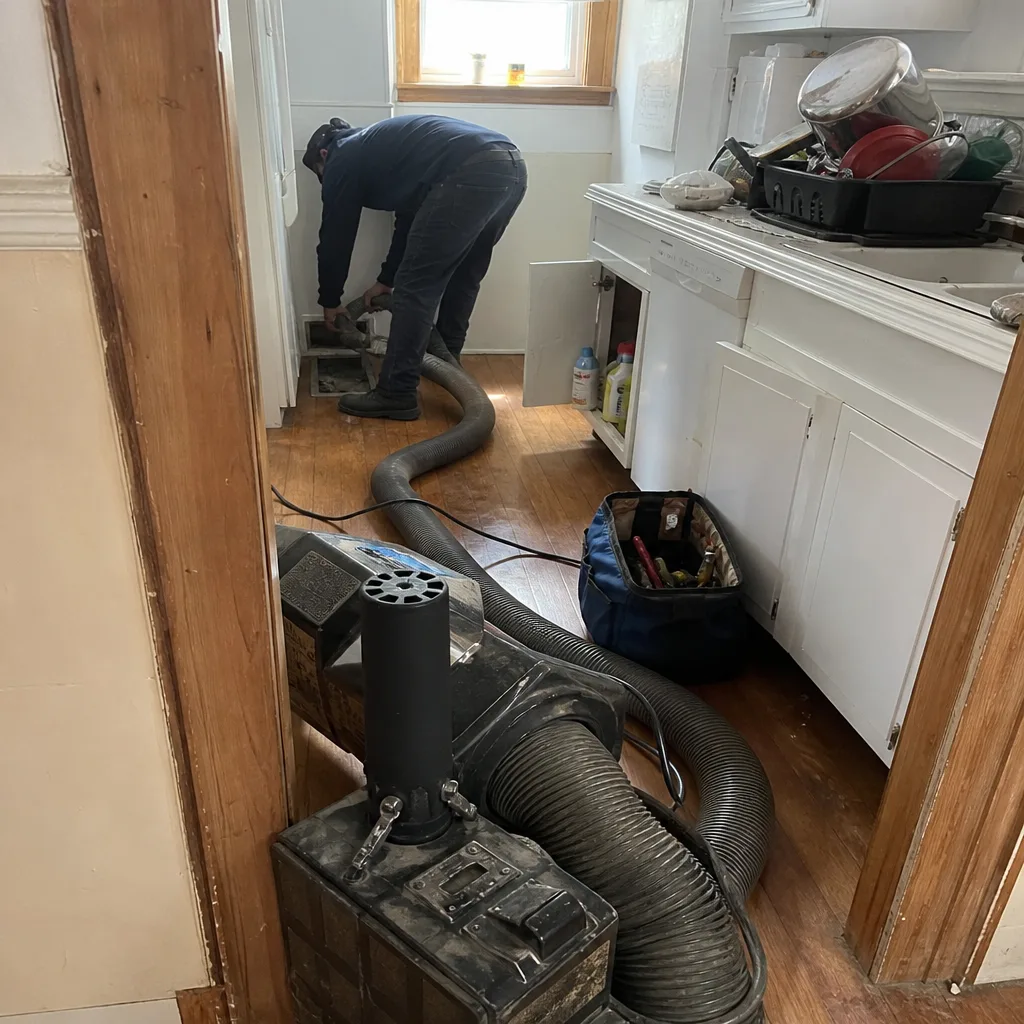 Before
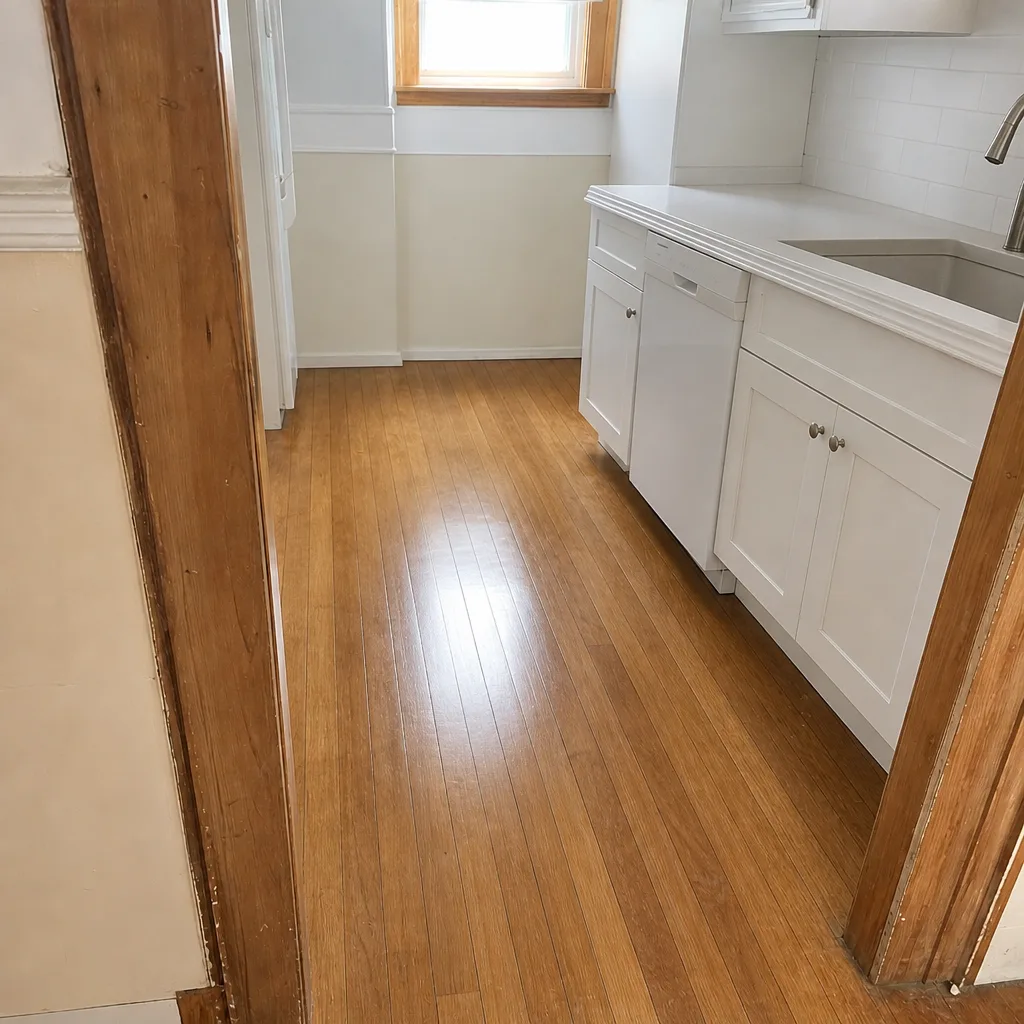 After
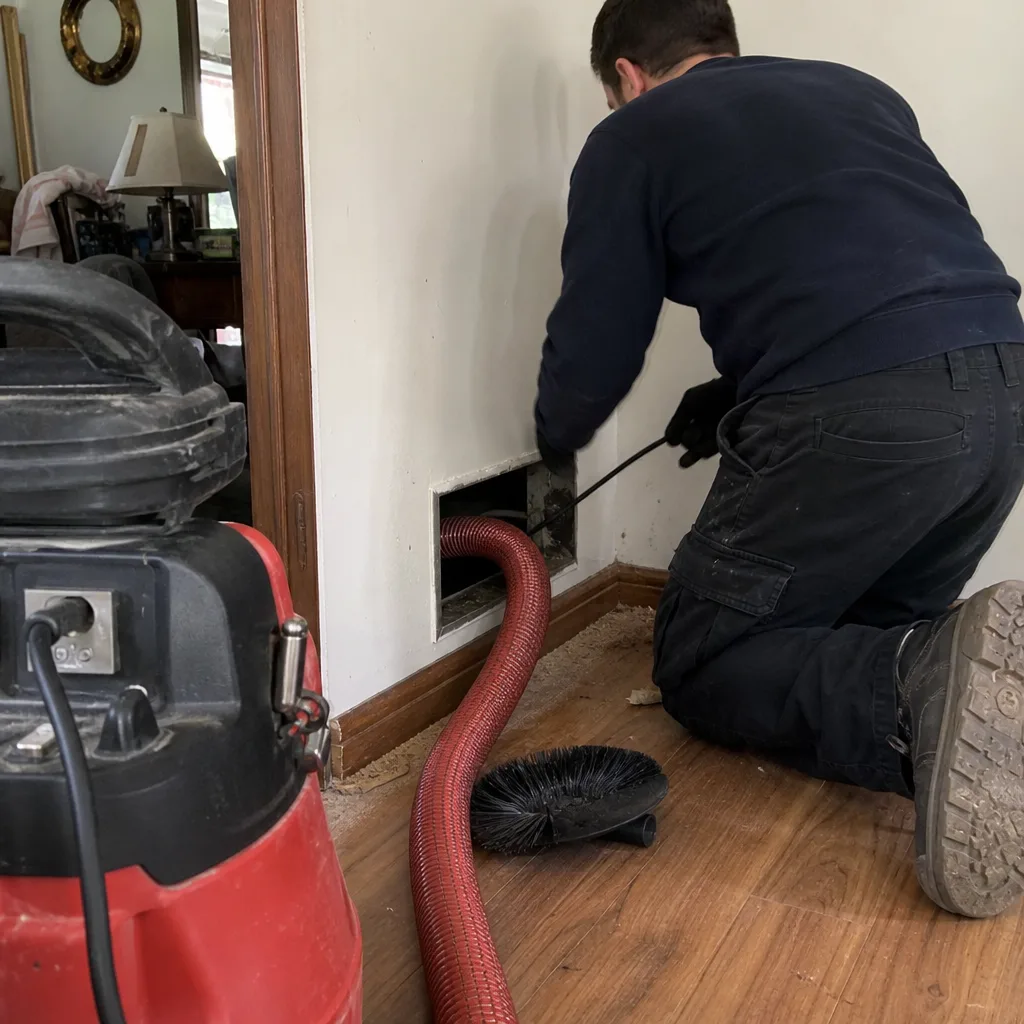 Before
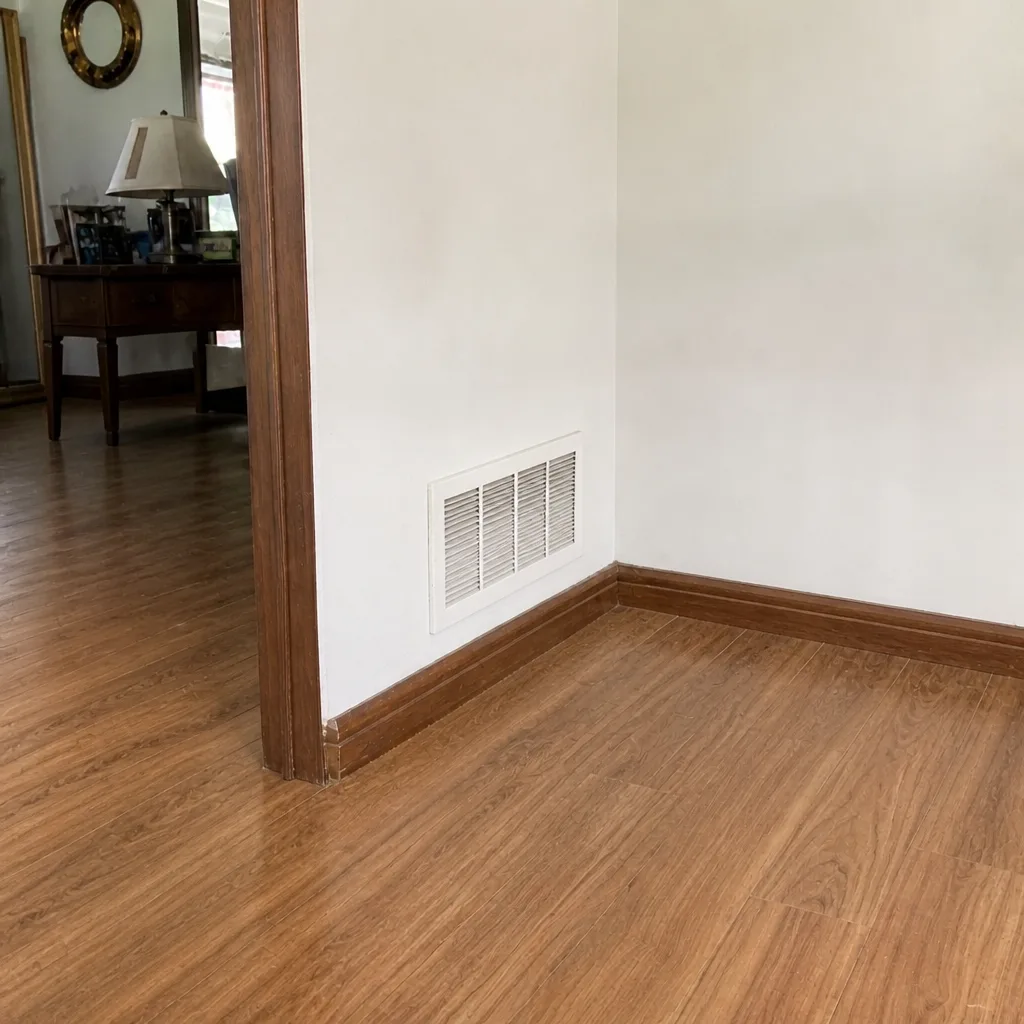 After
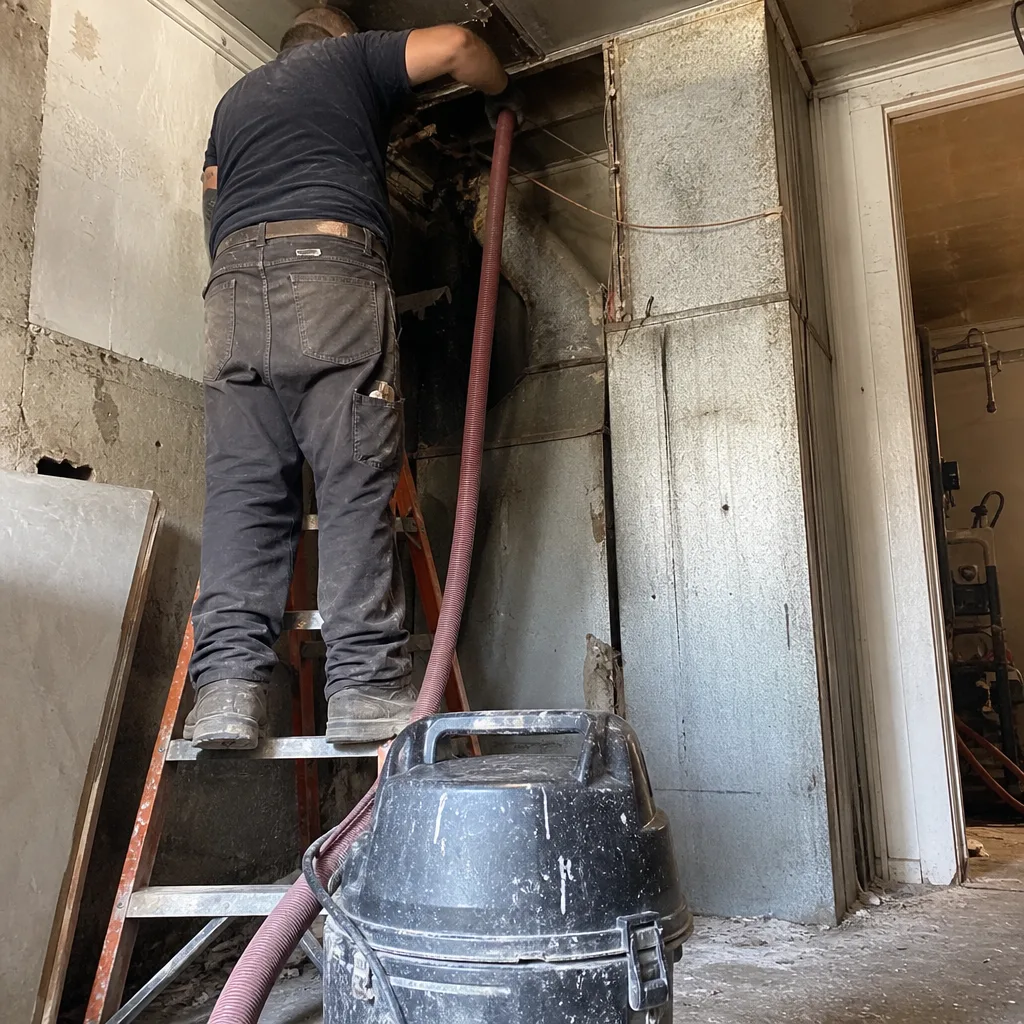 Before
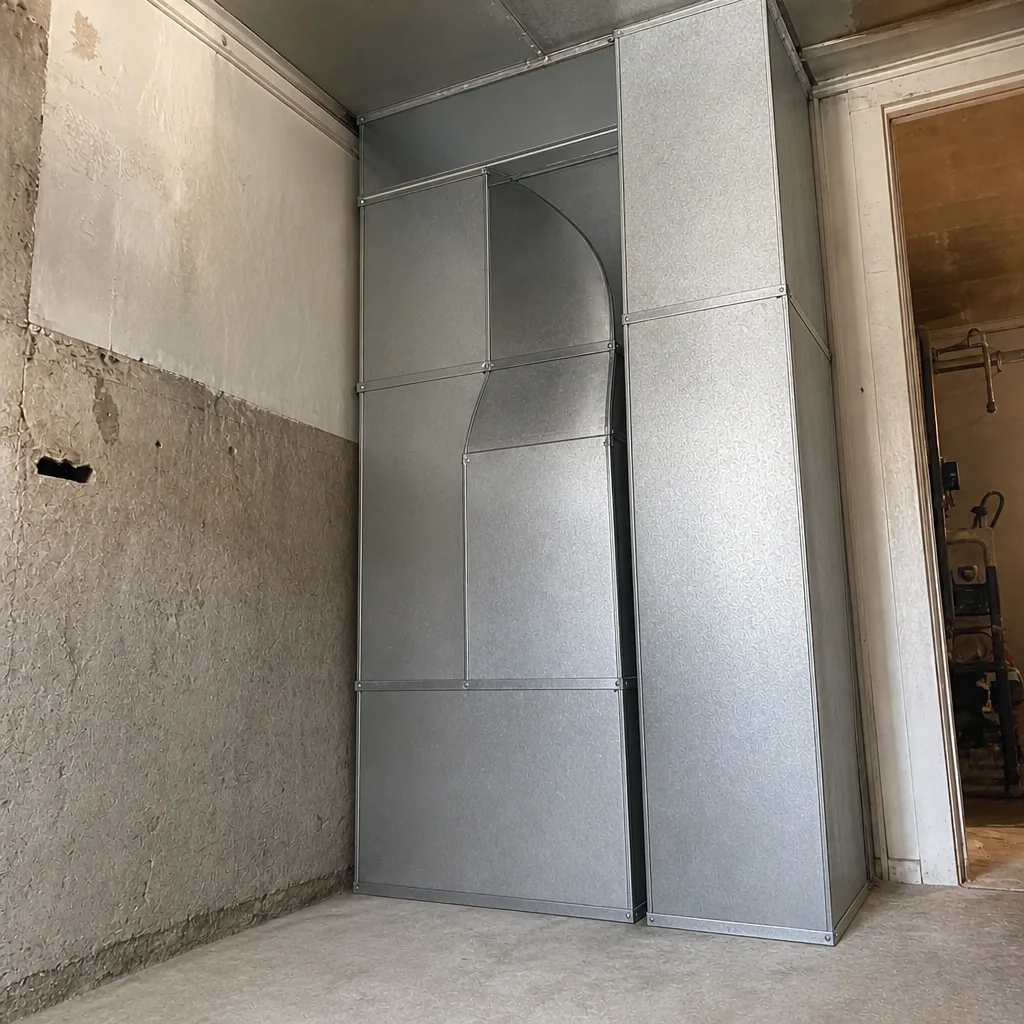 After
When to Call a Professional
Call a professional if anyone in the house has persistent allergies or asthma, if you’ve recently finished a renovation, if you’ve just moved into a Black Rock home and don’t know its duct history, if you see visible debris or mold inside a register, or if your energy bills have climbed for no clear reason. Call if your home has pets that shed, or if the ducts are older and you can’t inspect the full run yourself. Call if you find loose tape, disconnected joints, or damaged sections that need repair, not just cleaning. In all of these cases, DIY maintenance won’t solve the problem on its own. Air Duct Cleaning Black Rock offers free estimates in Black Rock. Call (855) 337-1198. We answer 24/7. Fast dispatch from 7am to 7pm, Sunday through Friday.
Frequently Asked Questions
DIY is worth doing for register cleaning, filter changes, return grille maintenance, and visual inspections, and these tasks do help. It is not worth doing for actual duct interior cleaning, because consumer vacuums cannot reach the negative pressure and airflow that source removal requires. For a Black Rock home, the best result comes from professional cleaning on a multi-year cycle plus consistent DIY upkeep in between. Call (855) 337-1198 for a free estimate.
A shop vac can’t hold airflow over a long hose or seal to the trunk, so it disturbs dust rather than capturing it. Real duct cleaning depends on negative pressure across the whole duct network, so dislodged debris always moves toward the collection unit. A shop vac draws replacement air from every open register and pushes fine particles back into the room. That’s the difference between cleaning and redistribution. Call (855) 337-1198 to book a professional cleaning.
Most homes benefit from a professional cleaning every three to five years, closer to every two to three years with pets, allergies, smokers, or recent renovations. The condition of the ducts matters more than a fixed calendar, which is why a proper inspection comes first. A written estimate from a professional sets the final price for your home. Call (855) 337-1198 for a free estimate.
Yes, and flex duct is the most vulnerable part. A stiff brush or an over-eager hose can puncture flexible duct, dislodge settled debris without capturing it, or jam a damper. Any of these turns a routine maintenance decision into a repair. If you don’t know the condition of your ducts, a professional inspection is the safer first step. Call (855) 337-1198 to schedule one.
Professional systems from Rotobrush and Nikro hold the airflow and the negative pressure needed for true source removal, and Abatement Technologies filtration units capture the fine particles during the work. That combination is why the debris actually leaves the house rather than settling back into the rooms. Consumer equipment can’t replicate that. Call (855) 337-1198 for a free estimate.
Often, yes, and it can be done in a single visit. Cleaning removes what’s already there, while Honeywell or Aprilaire filtration and humidification products help keep it from returning, and Guardsman sanitizing treatments add a named air quality standard after the cleaning. If your ducts also have leaks or gaps, sealing them at the same time keeps the cleaning effective longer. Call (855) 337-1198 to find out what your Black Rock home needs.
The Bottom Line
The DIY versus professional question isn’t about effort or price. It’s about whether your tools can move air the right way, and consumer gear can’t. Duct cleaning works only when the whole system is under negative pressure and the particles are captured as they’re dislodged. Do the small tasks yourself: filters, registers, grilles, visual checks. Then bring in a professional cleaning every few years and let the technician repair and seal what’s found. That combination protects your indoor air, keeps your system efficient, and costs less over time than cleaning and re-cleaning the same ducts. For Black Rock homes, it’s the sensible middle path. Call (855) 337-1198 for a free estimate.
Written by the team at Air Duct Cleaning Black Rock.