
Last updated November 24, 2026
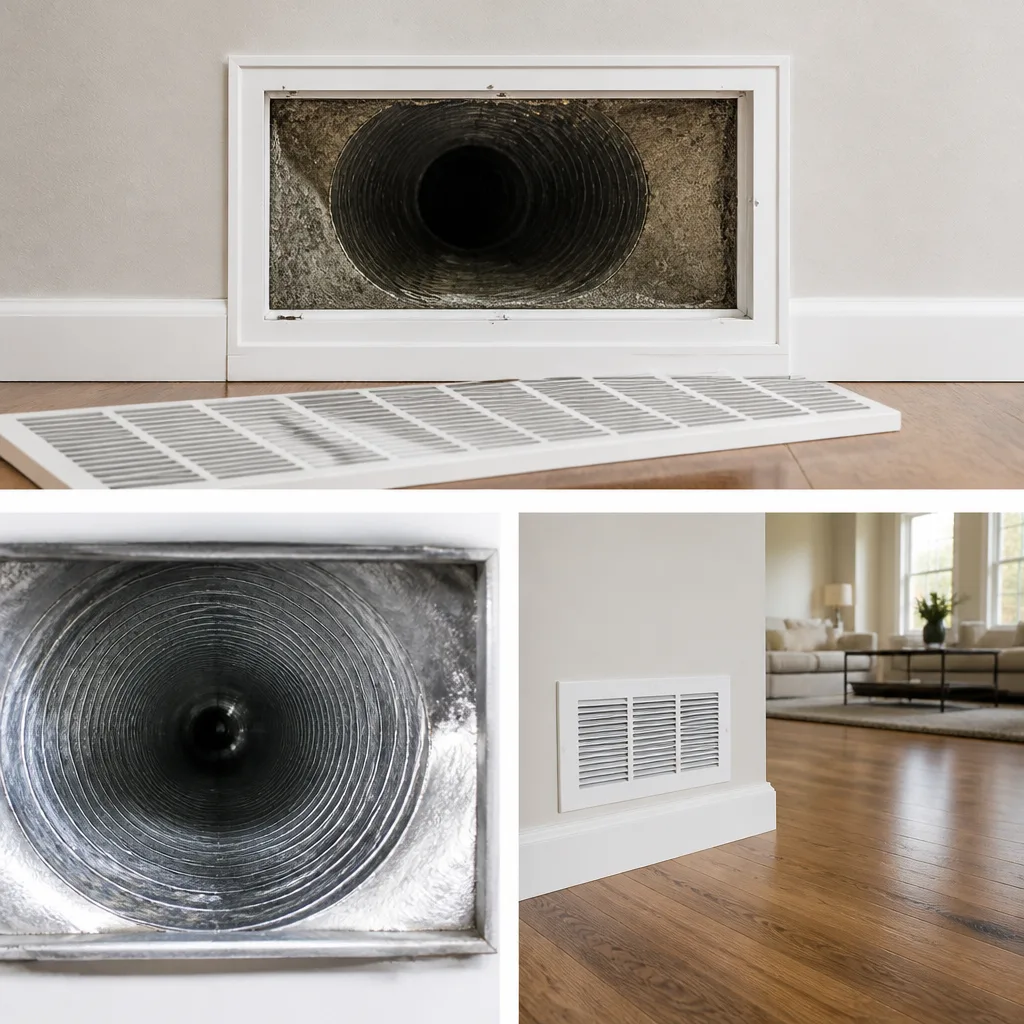 Whole-home duct cleaning
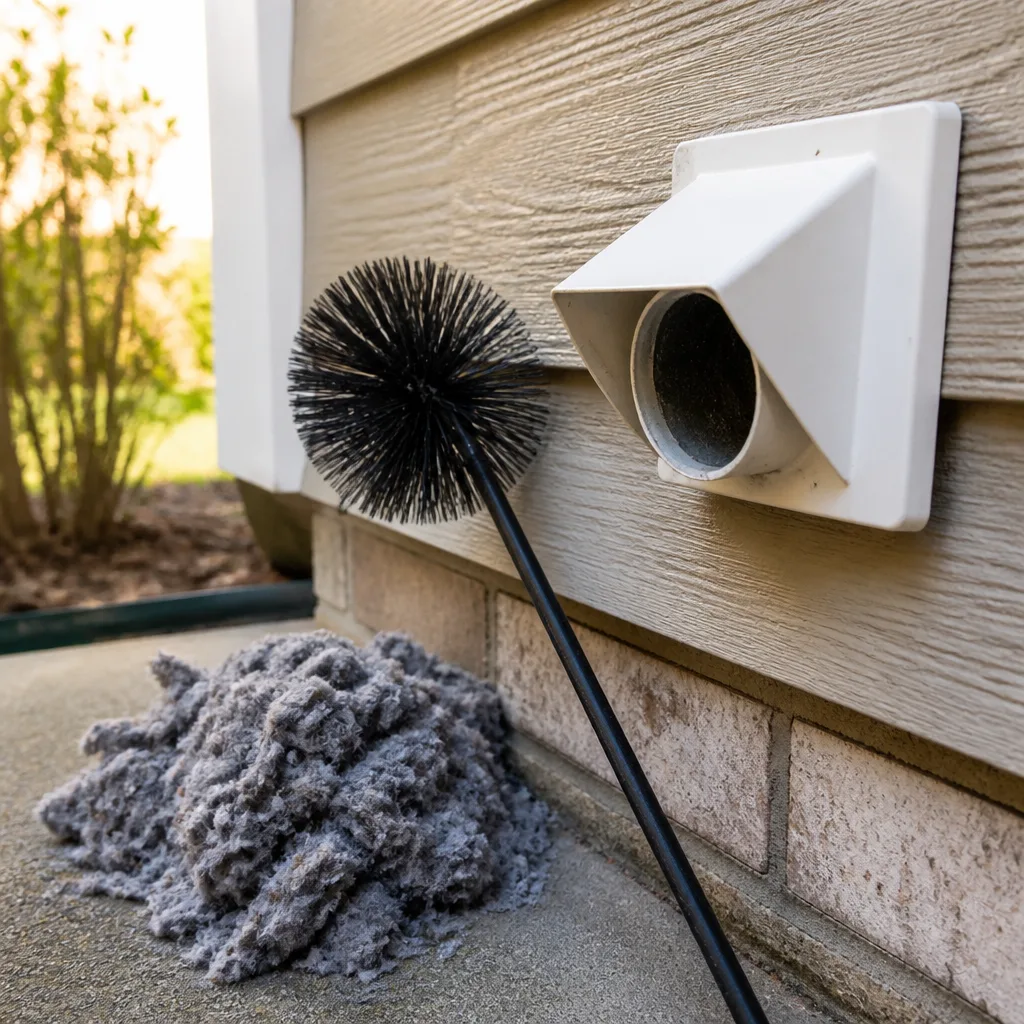 Dryer vent cleaning
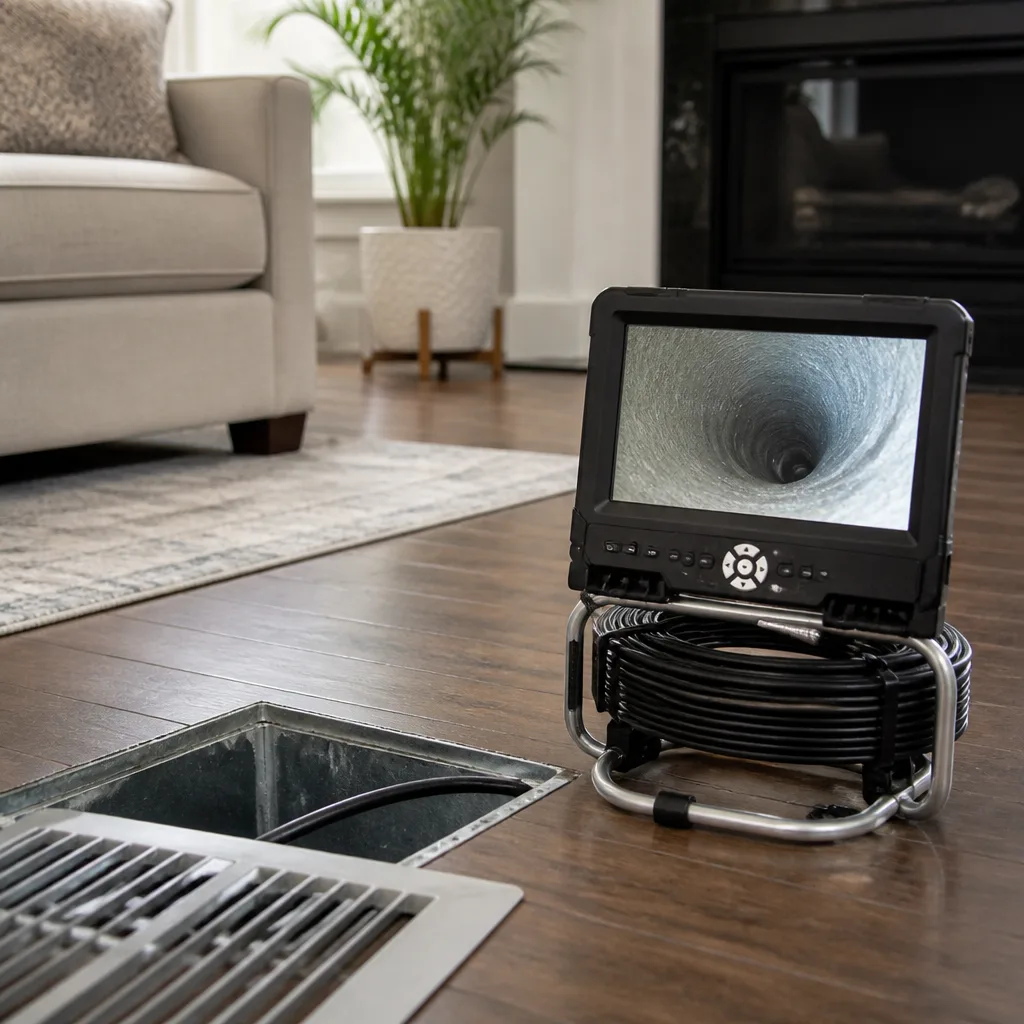 Camera inspection
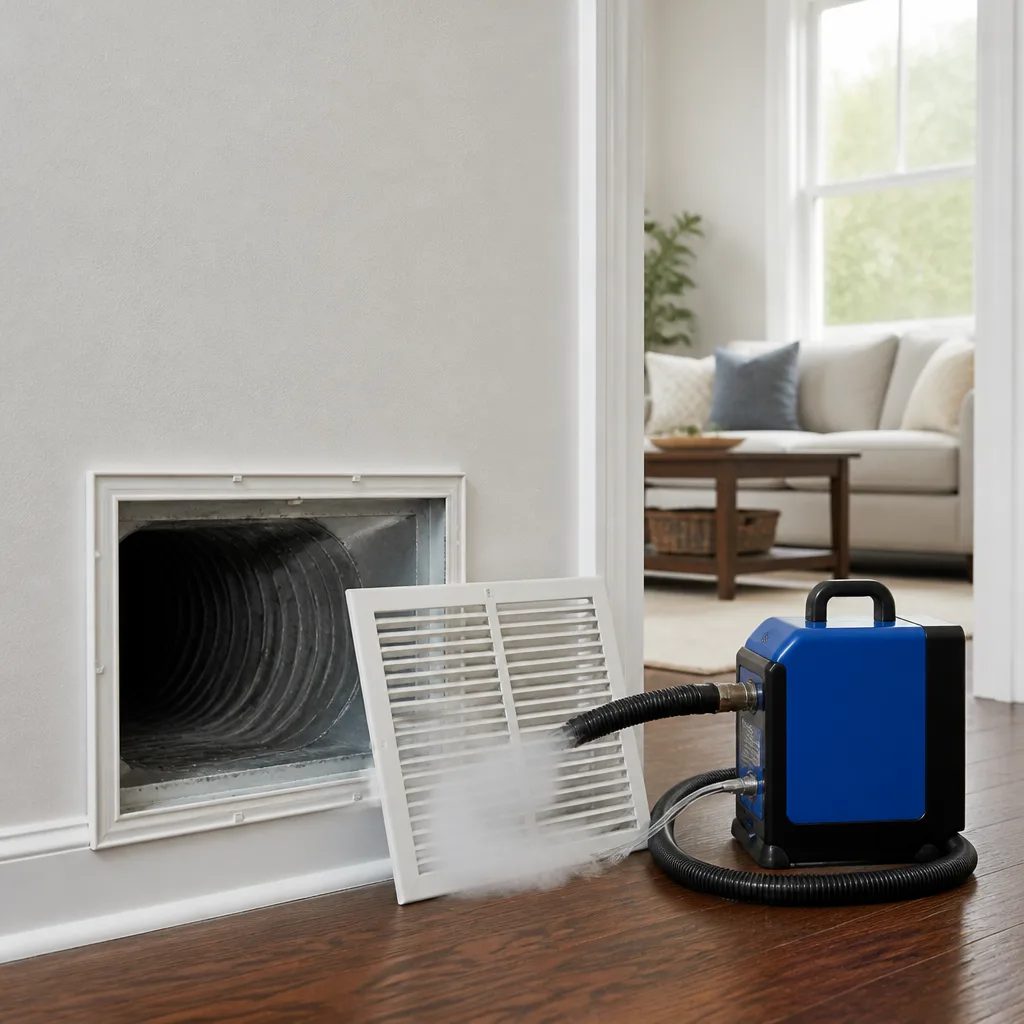 Sanitizing & deodorizing
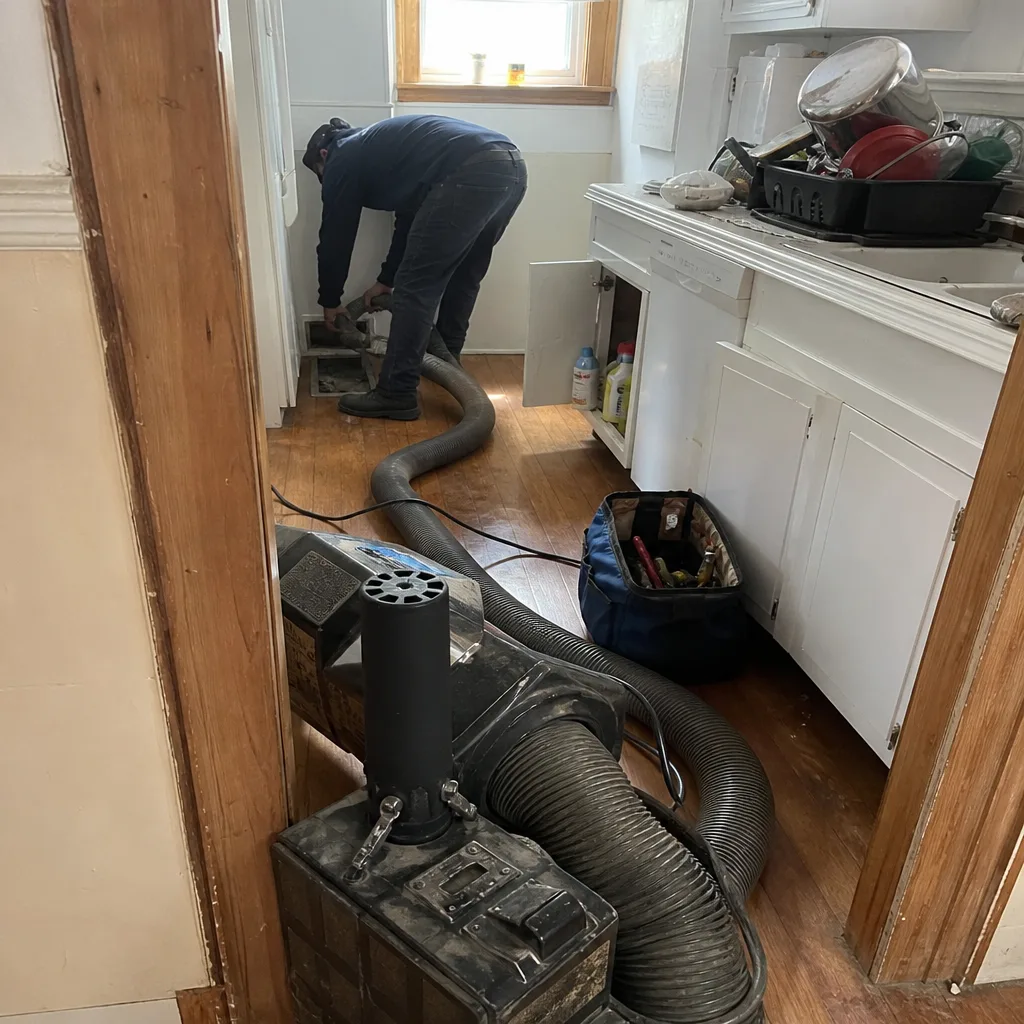
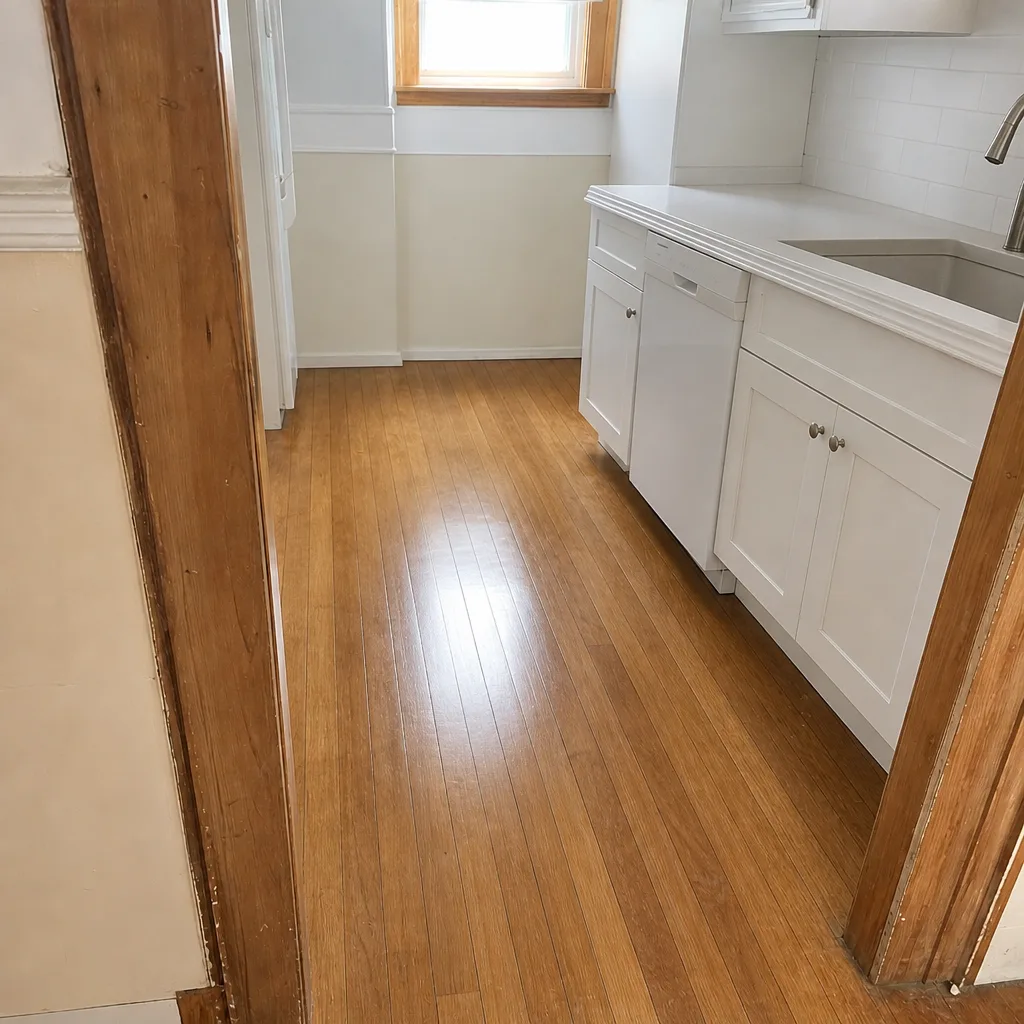
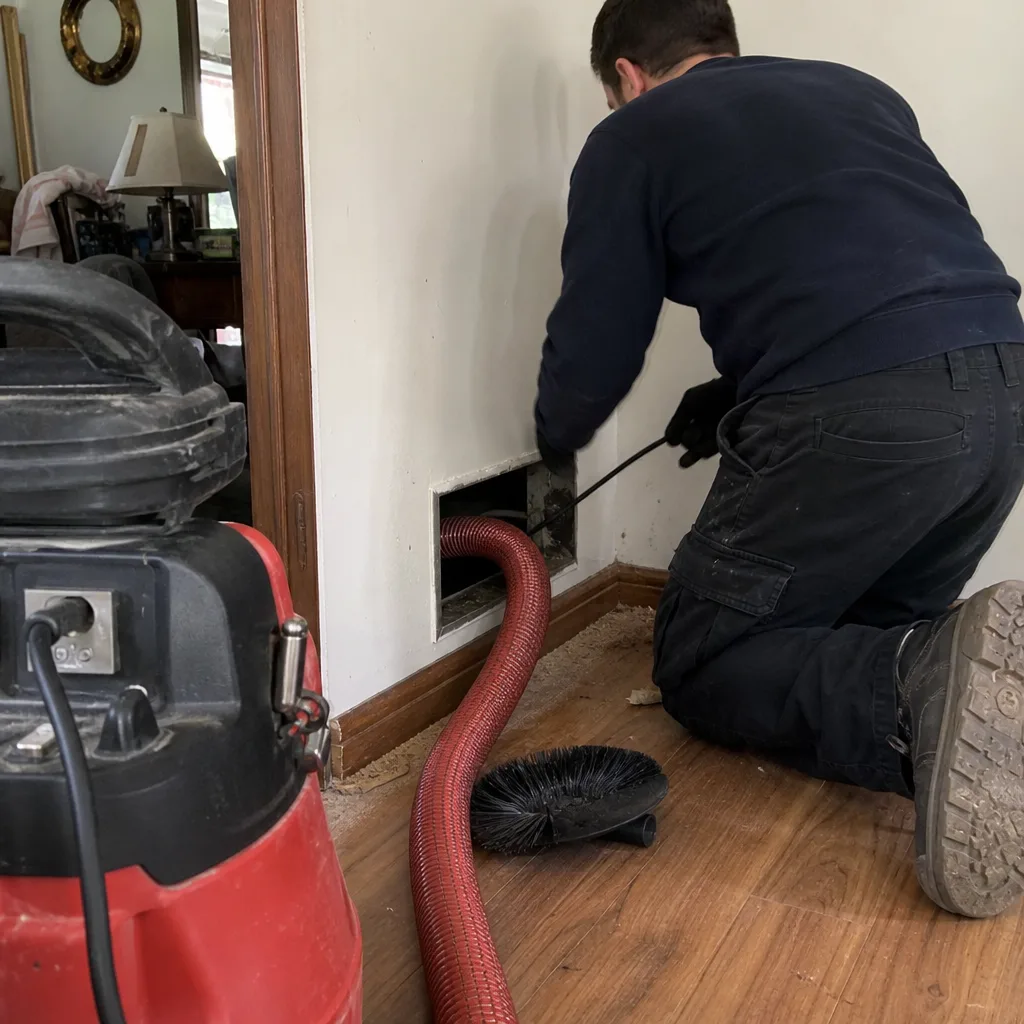
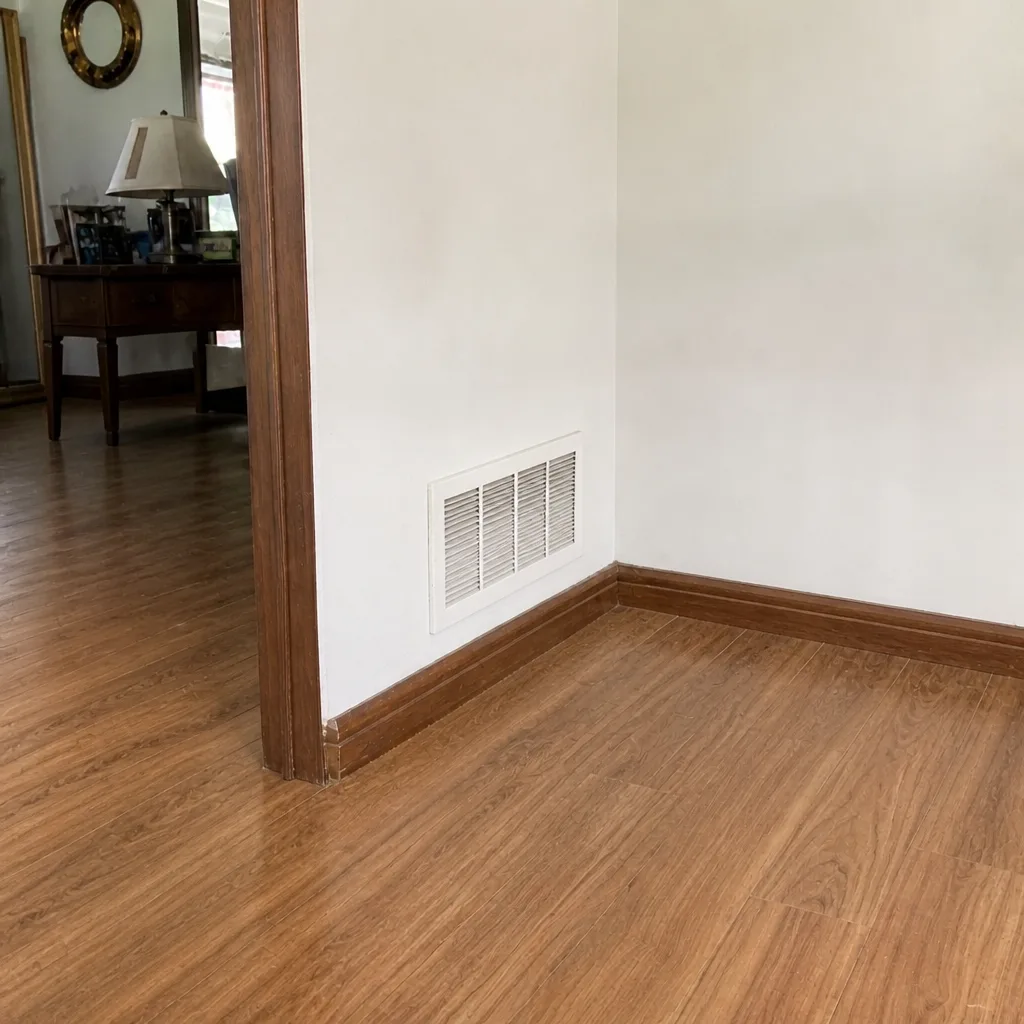
Whole-system duct and dryer vent check with before-and-after photos - you see exactly what came out of your vents
That "$99 whole-house special" is a bait ad - the real number appears once they are in your hallway, or the "clean" is a shop-vac at the register. We photograph the inside of your ducts before and after instead.
Air Duct Cleaning Maintenance Checklist for Black Rock Homeowners
Most homeowners think duct maintenance starts and ends with a filter change. It doesn’t. A clogged return grille can cut your system’s airflow well before you feel a single degree of comfort difference, and by the time you do notice, the problem has usually been building for months. The filter is one line item on a much longer list. What follows is a working checklist organized by how often you should do each task: monthly visual checks, seasonal inspections tied to Black Rock’s humid summers and long heating season, and the annual jobs that belong to a professional. You’ll learn what to look for at supply registers, return grilles, and the air handler cabinet, how to read your filter loading rate as a diagnostic signal, and how to keep a simple log that makes every future contractor conversation sharper. We’ve walked Black Rock homes from the older doubles near the river to newer builds off Niagara Street, and the same sequence works in all of them.
Quick Answer
A homeowner’s air duct maintenance checklist has three tiers: monthly visual checks of filters and grilles, seasonal inspections of duct connections and any runs through unconditioned space, and annual professional cleaning and inspection of the full system. Track your filter loading rate in a simple log, because faster loading usually points to a duct leak or bypass rather than dirty outdoor air.
Styles & brands we work with
- Whole-home duct cleaning
- Dryer vent cleaning
- Camera inspection
- Sanitizing & deodorizing
Table of Contents
- The Three Tiers of Duct Maintenance
- Monthly Checks You Can Do in Ten Minutes
- Seasonal Inspections for Black Rock’s Climate
- What to Look For at Registers, Returns, and the Air Handler
- Reading Your Filter Loading Rate as a Diagnostic
- Humidity and Flex Duct Connections in Buffalo-Area Homes
- Building a Maintenance Log That Actually Helps
- The Annual Professional Visit: What It Should Cover
The Three Tiers of Duct Maintenance
Duct maintenance fails when it’s treated as one big annual event. It works when it’s split into three tiers with different owners and different rhythms. Understanding which tier each task belongs to is what separates a homeowner who catches problems early from one who calls a contractor after the system has already lost capacity.
Tier one is monthly and belongs entirely to you. These are visual checks: filter condition, grille dust patterns, unusual sounds, and airflow at the registers you use most. None of it requires tools or training, and all of it takes about ten minutes.
Tier two is seasonal and also yours, but it’s more involved. Twice a year, before the heating season and before cooling season, you go further: check duct connections you can reach, look at any runs passing through an unconditioned space like an attic or crawlspace, and note anything that’s changed since the last check.
Tier three is annual and belongs to a professional. A full system cleaning, an inspection of the duct interior that you can’t see, and a look at the air handler cabinet, blower, and coil. This is where professional-grade equipment matters, because a shop vacuum can’t reach what a Rotobrush or Nikro system can, and it can’t document what it removed.
In Black Rock, the seasonal rhythm lines up with the lake-effect pattern: humid summers put pressure on flex duct connections and any runs through unconditioned space, and the long heating season means the system runs hard for months at a stretch. Both halves of the year deserve their own inspection pass.
Monthly Checks You Can Do in Ten Minutes
These are the tasks that catch problems early. Set a reminder for the same day each month and work through them in order. You’ll get faster at it than you expect.
- Pull the filter and hold it up to a light. You’re checking for light transmission, not color. If you can’t see light through it, it’s done, regardless of what the packaging says about its rated life.
- Look at every return grille. A visible dust mat on the grille face means air is moving through it but the filter isn’t catching what it should, or the filter is bypassing at the edges.
- Check two or three supply registers by hand. Hold your hand a few inches from the grille. Airflow should feel consistent across registers. A weak register on one branch while others are strong is a signal worth writing down.
- Listen at the air handler for a minute. A whistle or a rattle that wasn’t there last month is worth noting. Whistling often points to a restriction; rattling can point to a loose panel or a blower issue.
- Wipe one grille with a white cloth. Light gray dust is normal. Dark, sticky, or greasy residue is not, and it’s worth mentioning to a technician.
- Note the date and what you saw in your log. Even “all normal” is a useful entry, because it establishes a baseline.
None of these checks require you to open the air handler cabinet or reach into a duct. Leave that to a trained professional. The point of the monthly pass is to build a picture over time, not to fix anything yourself.
Seasonal Inspections for Black Rock’s Climate
Twice a year, expand the monthly pass into a seasonal inspection. Do one in early fall, before the heating season starts, and one in late spring, before cooling season. The two passes look at slightly different things.
The fall pass focuses on heat and humidity transitions. Buffalo-area summers are humid enough that flex duct connections can loosen or sag over a season, and any duct run through an attic or crawlspace is exposed to temperature swings that a duct inside the conditioned envelope never sees. Check every connection you can reach without tools: the collar where flex duct meets a metal boot at the register, the takeoffs at the trunk, and any taped joints. Loose tape, sagging duct, or a connection that’s pulled apart is worth flagging.
The spring pass focuses on the cooling season ahead. Look at the same connections again. If a joint that was tight in the fall is now loose, that’s a pattern, not an accident, and it usually means the duct is under stress or the tape has failed. Look at the air handler cabinet for condensation or water staining, which can point to a coil or drain issue.
In Black Rock, the older housing stock near the river and the newer builds along the Niagara Street corridor have different duct layouts, but both benefit from the same two-pass rhythm. Homes with ducts in unconditioned space need the closest look, because that’s where temperature and humidity swings do the most work on the duct system.
- Fall: connections, tape, sagging flex duct, any run through unconditioned space
- Spring: the same connections plus the air handler cabinet and condensate evidence
- Both: filter condition and a written note of anything that changed
What to Look For at Registers, Returns, and the Air Handler
Different parts of the system tell you different things. Reading each one correctly is most of the diagnostic skill in duct maintenance, and it’s something any homeowner can learn.
At supply registers, you’re reading airflow and dust pattern. Supply registers push conditioned air into the room, so they tend to stay cleaner than returns. Heavy dust at a supply register is worth noting, because it can mean the duct serving that register is dirty or that the register is pulling air from an unconditioned space. Streaking around the edges of the register often means the seal at the boot has failed and air is leaking around the grille rather than through it.
At return grilles, you’re reading load. Returns pull air back into the system, so they collect more dust by design. A mat of dust on the return face is normal between cleanings. What’s not normal is dust that’s dark or greasy, or a return that pulls noticeably weaker than the others. A weak return can starve the whole system, and it’s often the first sign of a collapsed or disconnected duct behind the wall.
At the air handler cabinet, you’re reading the system’s condition. Look for dust buildup on the outside of the cabinet, condensation, water staining, or a filter that’s being pulled out of shape. A filter that bows inward toward the blower is being pulled hard, which can mean the return side is restricted. Don’t open the cabinet yourself. Note what you see and hand those notes to a technician.
If a check at any of these three points shows something you don’t recognize, write it down and keep checking monthly. A single odd reading is noise. A pattern across two or three months is a signal, and it’s exactly the kind of thing a professional inspection resolves quickly.
Reading Your Filter Loading Rate as a Diagnostic
Most advice treats the filter as a maintenance item with a fixed change interval. It’s more useful than that. Filter loading rate is the speed at which your filter goes from clean to clogged, and tracking it turns the filter into a diagnostic tool for the entire duct system.
Here’s the reasoning. A filter loads at a rate determined by two things: how much particulate is in the air moving through it, and how much air is bypassing the filter at the edges or through a leak downstream. If your loading rate suddenly speeds up and nothing about your home has changed, the likely cause isn’t dirtier outdoor air. It’s a duct leak or a bypass at the filter frame, pulling unfiltered air into the system and pushing it through the filter from the wrong side.
What to track in your log:
- The date you installed each filter and the date you pulled it
- The filter’s rated MERV value, if the packaging states one
- A rough description of how loaded it was: light, moderate, heavy
- Whether the filter was bowed, torn, or dirty on the downstream face
A filter that’s dirty on the downstream side is the clearest bypass signal there is, because it means unfiltered air is getting past the frame and loading the filter from behind. A filter that’s bowed inward toward the blower means the system is pulling harder than the filter can handle. Both are worth a professional look, and both are far easier to fix before they’ve stressed the blower for a season.
If your loading rate has sped up noticeably in Black Rock, note it and call us for an inspection. A leak or bypass found early is a duct repair and sealing job. Left alone, it works the blower harder for months.
Humidity and Flex Duct Connections in Buffalo-Area Homes
Buffalo-area summers carry enough humidity that the duct system sees real moisture cycling, and the place it shows up first is at flex duct connections and any run through an unconditioned space.
Flex duct is a spiral wire core wrapped in insulation and an outer jacket. The connection points, where flex duct meets a metal collar or boot, are taped and sometimes clamped. Over a humid season, the tape can lift at the edges, and once it lifts, humid air gets into the insulation jacket. That’s a problem for two reasons: wet insulation loses its thermal value, and the condensation that forms inside the jacket is a place where buildup starts. You can usually spot it by looking for a sagging section of flex duct, a connection with tape peeling at the seam, or condensation on the outer jacket during a humid stretch.
Runs through unconditioned spaces deserve the closest look. An attic duct in July is surrounded by hot, humid air, and the temperature difference between the cold duct surface and the surrounding air is enough to condense moisture on the jacket if the vapor barrier is compromised. In Black Rock, this is the inspection that pays for itself most often, because it catches tape failures before they turn into wet insulation and a much larger repair.
What to look for on your seasonal pass:
- Sagging flex duct, especially at connections
- Tape lifting at seams or at the collar connection
- Condensation on the outer jacket during humid weather
- Any duct run through an attic or crawlspace with visible staining or wet insulation
- Dust streaks at the connection, which can indicate air leaking out of the joint
If your flex duct connections are showing any of these signs, that’s the point where professional duct repair and sealing makes sense. We carry out repairs and sealing in the same visit as a cleaning, so a tape failure found on the seasonal pass gets fixed rather than just noted. Mention this when you book, and we’ll build the repair into the visit.
Building a Maintenance Log That Actually Helps
A maintenance log is only useful if a technician can read it in thirty seconds and see the pattern. Most homeowners either skip the log entirely or write so much that it’s unreadable. The middle ground is a simple table with five columns, one line per check.
Use this format:
- Date: the day of the check
- Task: filter, return grille, register, air handler, connection
- Observation: a short phrase, not a paragraph. “Filter light load” or “Return 3 weak”
- Action: changed filter, noted for seasonal, called for inspection
- Next due: the date of the next scheduled check for that item
A paper notebook works. So does a note on your phone, as long as it’s the same place every month. The point isn’t the tool; it’s having one place where the whole history lives. When you call a professional, the log lets them see that your filter loading rate sped up three months ago, or that the same return has read weak twice. That kind of history turns a general conversation into a targeted inspection.
We’ve found that homeowners who keep a log get more out of the annual professional visit, because the technician knows where to look first. It also makes the “did the work actually get done” question easier to answer, since the before-and-after of a cleaning or a repair can be compared against the log entries around it. If you’ve just moved into a Black Rock home and don’t have a history, start the log today. The first entry sets the baseline.
The Annual Professional Visit: What It Should Cover
Once a year, the checklist hands off to a professional. A full system cleaning covers the duct interior, the registers and grilles, the air handler, and the blower, and it should come with an inspection of the parts you can’t reach. The equipment matters here: a Rotobrush or Nikro system reaches duct interiors and extracts what it loosens, and Abatement Technologies equipment handles containment and filtration during the cleaning so dust doesn’t end up in your living room.
What a thorough annual visit should include:
- A full cleaning of the supply and return ductwork, registers, and grilles
- Air handler cabinet, blower, and coil inspection and cleaning as needed
- A check of duct connections and any sealing or repair the inspection turns up
- Before-and-after photos of the system, so you can see what changed
- Sanitizing after cleaning when it’s appropriate, with the product named rather than described generically
- A written summary of what was found and any repairs recommended
If your annual visit turns up a leak or a damaged section, having repair and sealing in the same visit means the fix happens on the spot rather than on a second appointment. We also offer HVAC cleaning and dryer vent cleaning as part of the same service call, which is worth knowing if the lint trap has been filling faster than usual or if the system has never had a full cleaning. In our experience, a single thorough visit beats three partial ones, because the whole system gets looked at as one machine rather than a collection of separate parts.
Common Mistakes to Avoid
- Changing the filter on a fixed calendar schedule and never looking at it in between. The filter’s condition is more informative than the packaging’s rated life. Check it against the light monthly, and change it when it’s loaded, not when the calendar says so.
- Ignoring a weak return because the room still feels comfortable. A weak return can starve the whole system and often points to a disconnected or collapsed duct behind the wall. Comfort is the last thing to change, not the first.
- Taping over a connection you don’t understand. A tape job that looks fine on the outside can trap moisture inside the jacket, which is worse than the leak it was meant to fix. Note it and have it looked at.
- Skipping the seasonal pass because nothing seemed wrong last time. The seasonal pass is where flex duct connections and unconditioned-space runs get checked. The problems it catches build quietly over a season, and last season’s clean pass says nothing about this one.
- Treating the annual cleaning as enough on its own. A cleaning without a repair and sealing inspection leaves leaks in place, and a system with leaks loads a fresh filter faster than it should. Ask for the inspection to be part of the visit.
- Choosing a cleaner on price alone. A coupon figure that turns into a larger invoice once the technician is on site is a common pattern in this trade. Ask for one flat price per system agreed before work starts, and ask whether before-and-after photos are included.
- Keeping no log at all. Without a written history, every visit starts from scratch, and the pattern that would have flagged a leak three months ago is invisible. A five-column notebook is enough.
See the difference
 Before
 After
 Before
 After
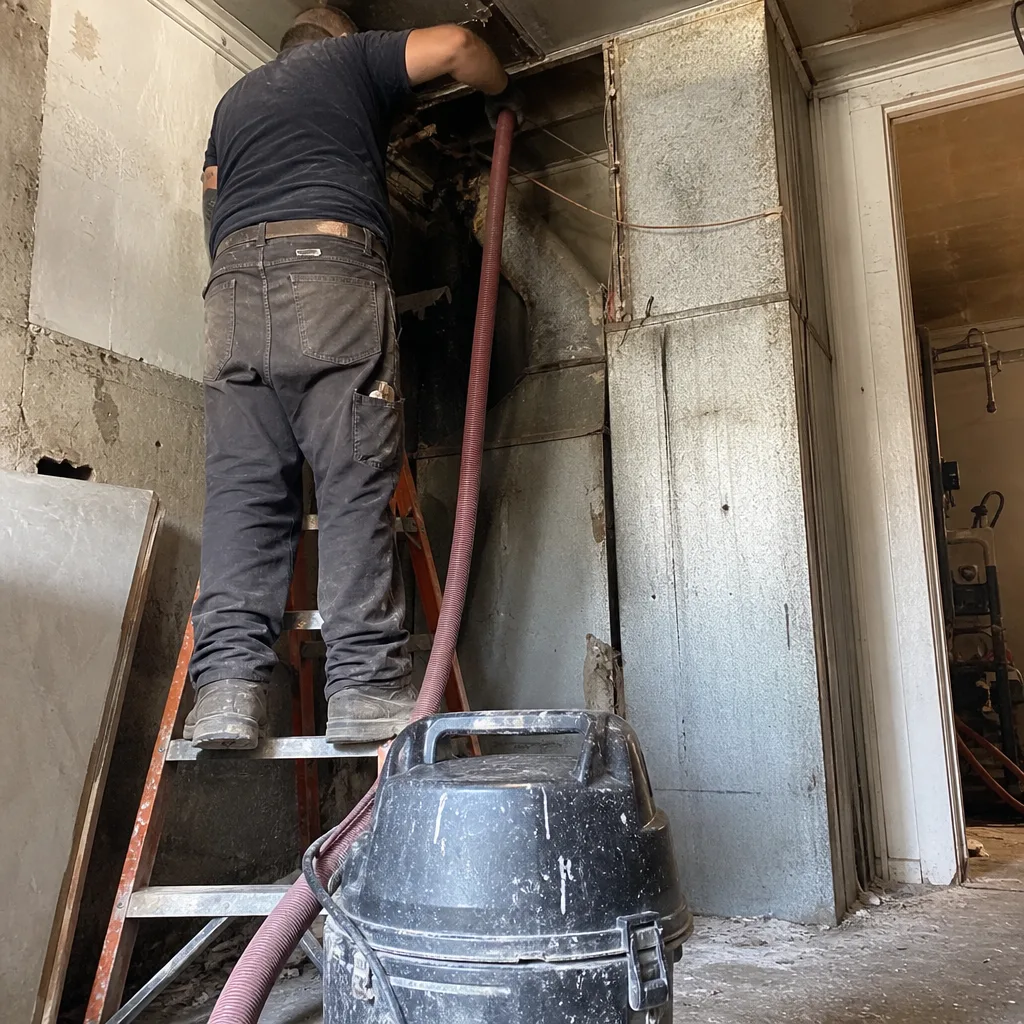 Before
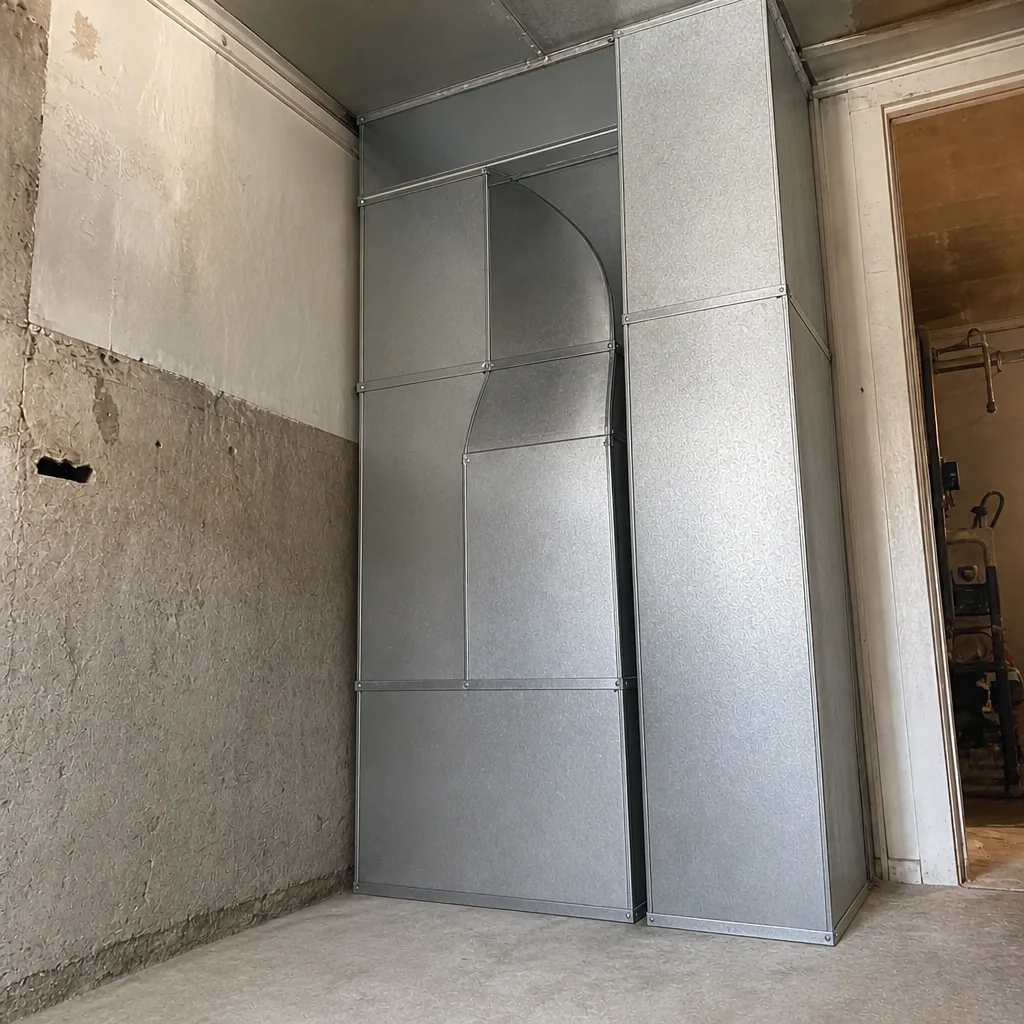 After
When to Call a Professional
Some findings need a technician rather than another monthly check. Call if your filter loading rate has sped up noticeably without any change in your home, if the same return reads weak across two consecutive monthly checks, if you see peeling tape, sagging flex duct, or condensation on an outer jacket, if the filter is dirty on its downstream face, or if it’s simply been a year since the system had a professional cleaning and inspection. It’s also worth a call after a renovation, after moving into a Black Rock home, or if anyone in the house has allergies or asthma and the dust pattern hasn’t improved.
Air Duct Cleaning Black Rock offers free estimates in Black Rock. Call (855) 337-1198. We answer 24/7. Fast dispatch from 7am to 7pm, Sunday through Friday. The local pro is licensed and insured as their state requires, and you’ll get one flat price per system agreed before any work starts, with before-and-after photos of your own ducts.
Frequently Asked Questions
Most Black Rock homes do well with a professional cleaning and inspection once a year, with monthly visual checks and a two-pass seasonal inspection in between. Homes with pets, recent renovations, allergy sufferers, or ducts running through unconditioned space may need the professional visit more often. If the filter loading rate speeds up, that’s a sign to move the next visit up. Call (855) 337-1198 for a free estimate and a recommendation for your system.
It catches change. Professional cleaning restores the system on the day it happens, but only a monthly check tells you that the return has been reading weak for three months or that the filter started loading faster in August. Those patterns are what point to a leak or a bypass. Call (855) 337-1198 to talk through what you’ve been seeing.
Loading rate depends on how much particulate is in the air and how much air is bypassing the filter. A sudden speed-up with no change in your home usually points to a duct leak or a bypass at the filter frame rather than dirtier outdoor air. A filter that’s dirty on the downstream face confirms it. Call (855) 337-1198 to book an inspection and a duct repair and sealing estimate.
You can look at the outside of the cabinet for dust, condensation, and staining, and you should. Don’t open it or reach into the blower compartment, since that’s a trained technician’s job. Note what you see and hand it over at your next inspection. Call (855) 337-1198 if you’d rather have someone look now.
Watch the connections first: tape lifting at the collar, sagging sections, and condensation on the outer jacket during humid weather. Those are the earliest signs of a vapor barrier failure, and they’re far cheaper to fix as a tape and connection repair than as wet insulation and a larger duct replacement. Call (855) 337-1198 if you see any of them.
Ask for before-and-after photos of your own ducts, a written summary of what was found, and one flat price per system agreed before work starts. A professional visit produces all three. If a quote is a low coupon figure that grows once the technician is on site, that’s the pattern to walk away from. Call (855) 337-1198 for an estimate built the other way around.
The Bottom Line
The checklist isn’t a filter change every ninety days. It’s three tiers: a monthly visual pass that takes ten minutes, a two-pass seasonal inspection timed to the Buffalo-area humid summers and long heating season, and an annual professional cleaning and inspection that covers what you can’t see. The single most useful thing you can add is a five-column log, because a tracked filter loading rate, a weak return across multiple checks, or a tape failure on a flex duct connection tells a technician exactly where to look first. Keep the log, run the checks, and hand off the annual visit to a professional. To book yours, see our Air Duct Cleaning Black Rock homepage or read more about air duct cleaning for Black Rock homes. Call (855) 337-1198. We answer 24/7. Fast dispatch from 7am to 7pm, Sunday through Friday. Our technicians have up to 11 years of experience, and the pro is licensed and insured as their state requires.
Written by the team at Air Duct Cleaning Black Rock.