
Last updated November 24, 2026
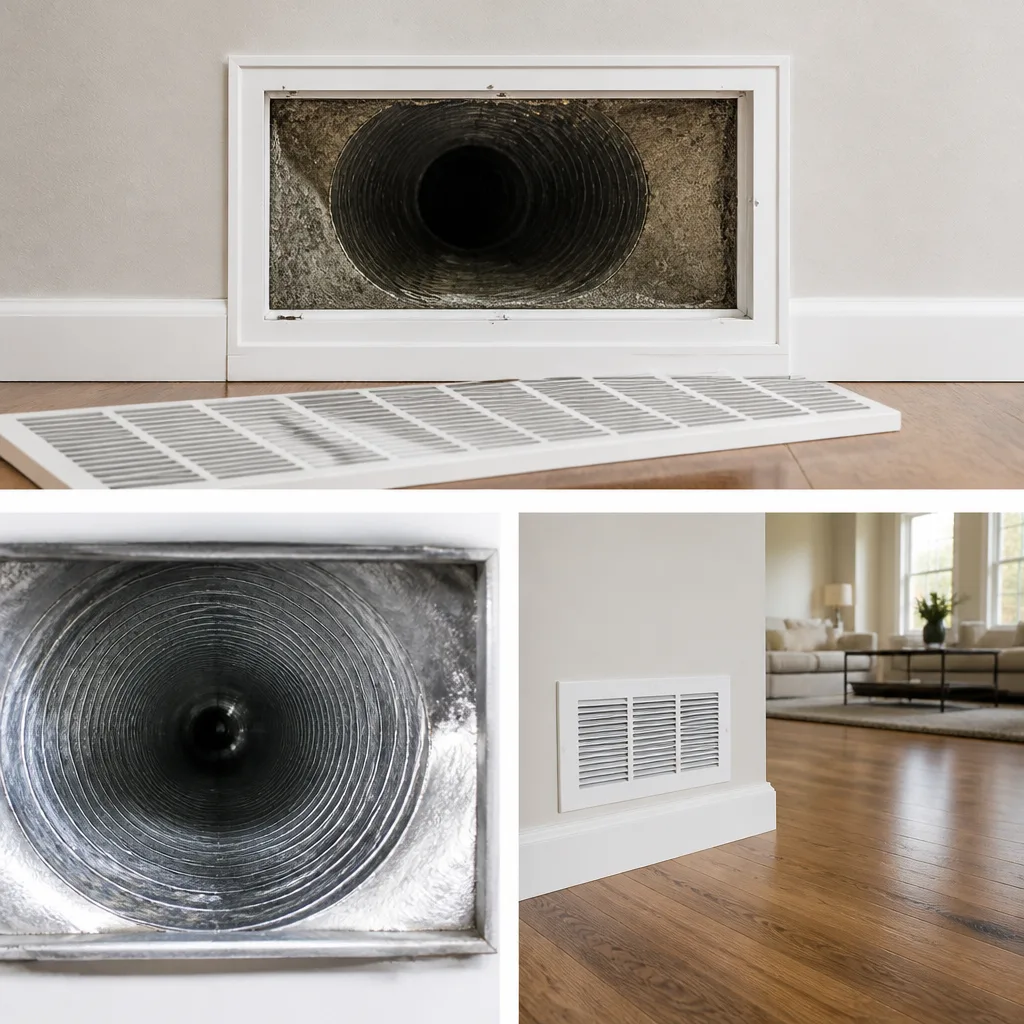 Whole-home duct cleaning
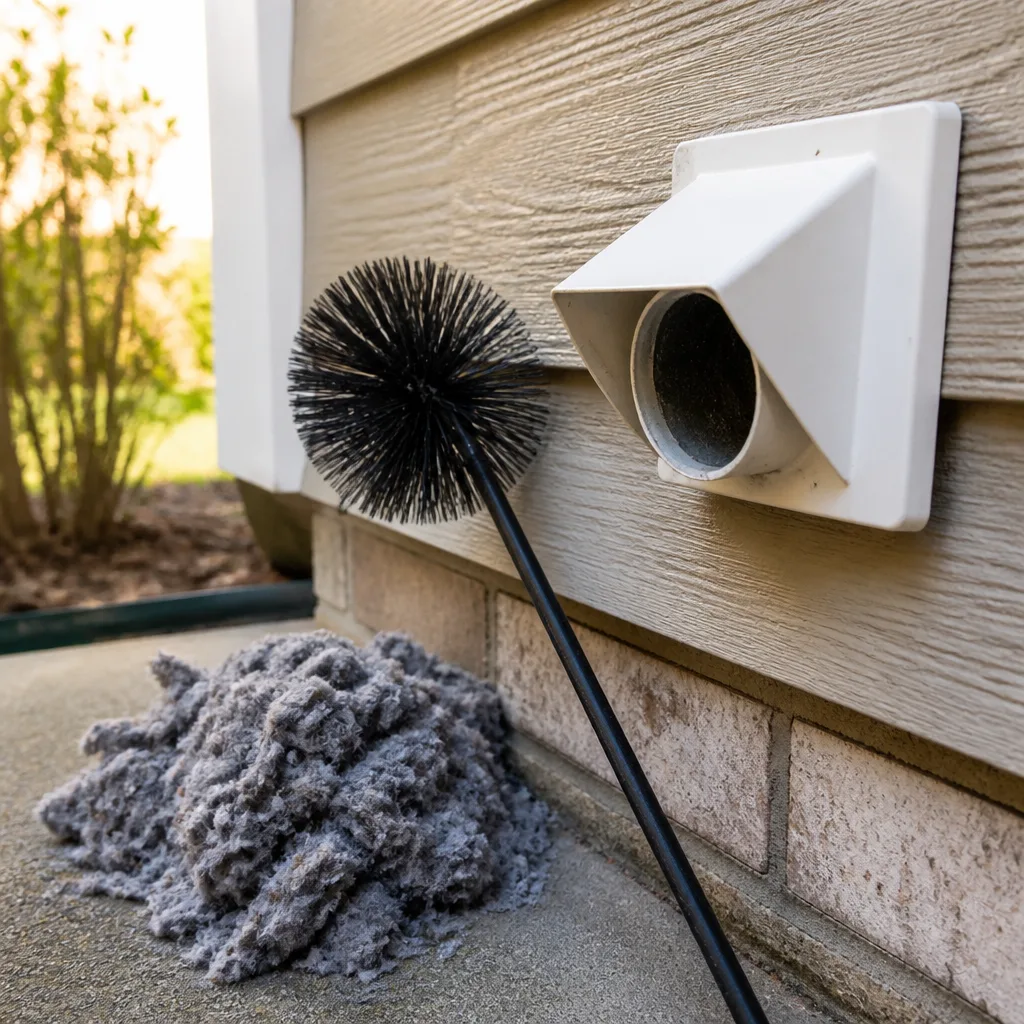 Dryer vent cleaning
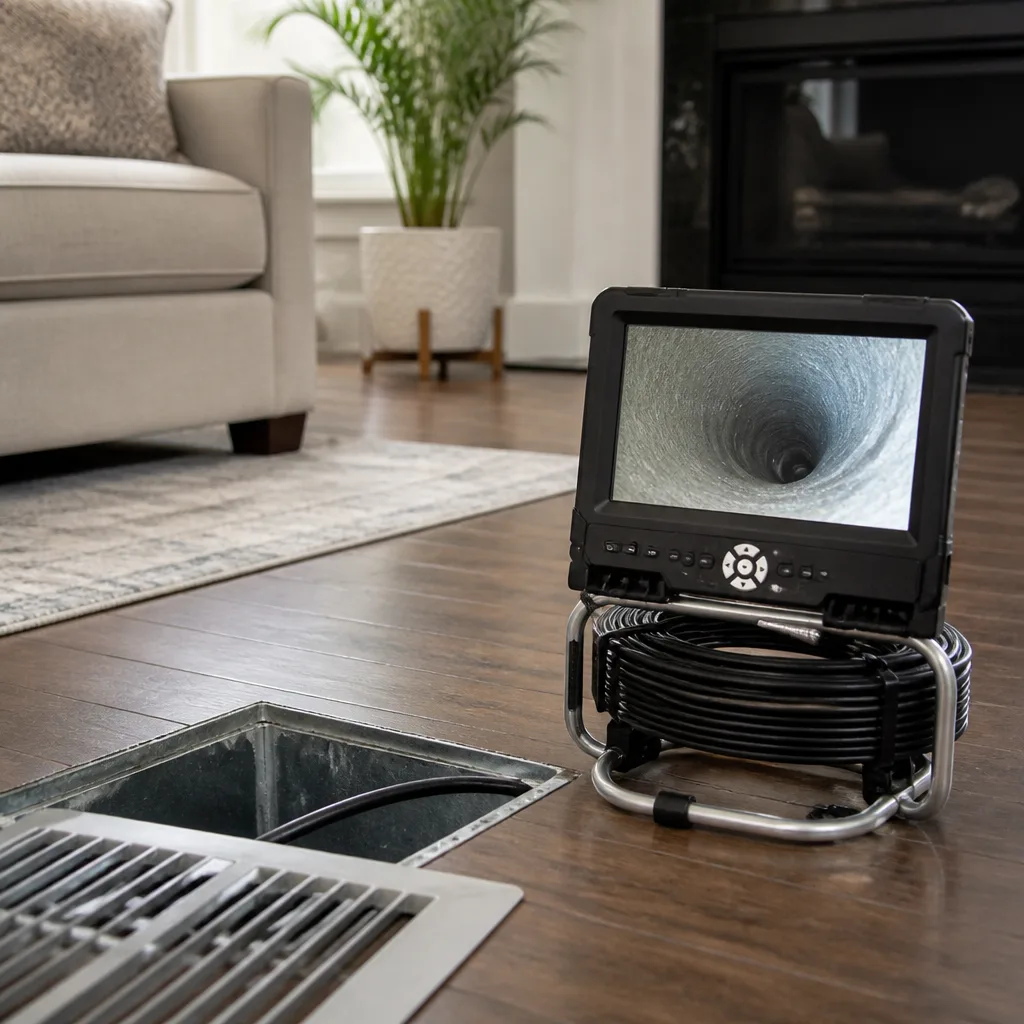 Camera inspection
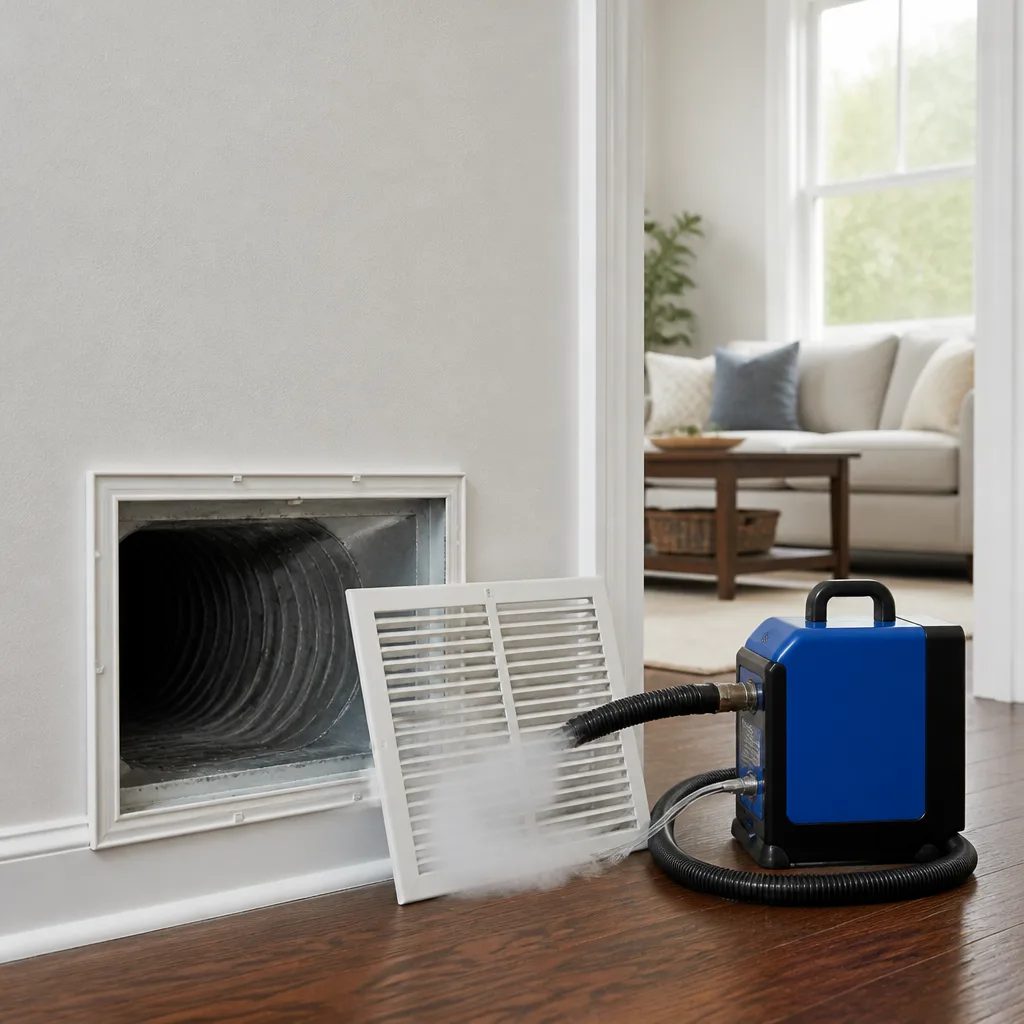 Sanitizing & deodorizing
Whole-system duct and dryer vent check with before-and-after photos - you see exactly what came out of your vents
That "$99 whole-house special" is a bait ad - the real number appears once they are in your hallway, or the "clean" is a shop-vac at the register. We photograph the inside of your ducts before and after instead.
The Complete Guide to Air Duct Cleaning in Black Rock
Most air duct guides describe a process that takes 45 minutes. A thorough cleaning of a 1,500 square foot Black Rock home with original trunk-and-branch ductwork takes three to four hours minimum, and often longer in the pre-1970 houses that line the streets off Amherst Street and around the Black Rock neighborhood. That gap between what a coupon flyer promises and what real source-removal cleaning requires is where most homeowners get burned. This guide walks through what professional duct cleaning actually involves, tool by tool, so you can hold any contractor’s process up against a real standard. We’ll cover how Black Rock’s housing stock and lake-effect humidity shape the work, what equipment should be on the job, and what a credible report looks like when the crew packs up.
Quick Answer
Air duct cleaning in Black Rock means using negative air pressure, rotary brush agitation, and HEPA filtration together to pull debris out of the whole system rather than blowing it around. For a typical Black Rock home, expect a whole-system job to take three to four hours and to produce before-and-after photos, airflow readings, and a written summary of anything found inside the ducts. The price is set per system by a written estimate agreed before work starts, not per vent.
Styles & brands we work with
- Whole-home duct cleaning
- Dryer vent cleaning
- Camera inspection
- Sanitizing & deodorizing
Table of Contents
- Why Black Rock’s Housing Stock Changes the Job
- The Tools: What Negative Air, Rotary Brushes, and HEPA Vacuums Actually Do
- Source Removal vs. a Surface-Level Blowout
- When Duct Cleaning Should Be Bundled With Sealing or Repair
- What a Credible Post-Cleaning Report Should Include
- How a Typical Cleaning Visit Unfolds, Step by Step
- How Often Ducts in Black Rock Really Need Cleaning
- Related Services Worth Knowing
Why Black Rock’s Housing Stock Changes the Job
Black Rock sits in the northwest corner of Buffalo, close enough to the Niagara River that the neighborhood catches lake-effect weather patterns that shape how HVAC systems age. Cold, damp winters followed by humid summers put a lot of stress on ductwork, and the housing stock makes the work more interesting than a generic guide would suggest.
A large share of Black Rock homes went up before 1970, and many of those were built with forced-air systems that have since been retrofitted. What that means in practice:
- Original trunk-and-branch ductwork is common, often rigid galvanized steel with long main runs and smaller branches feeding individual rooms. These clean up well with the right equipment, but the joints and seams are where debris settles and where leaks hide.
- Flex duct retrofits show up where a later owner replaced a section or extended a run. Flex is corrugated inside, which traps dust in its ridges and needs gentler brush agitation than steel so the liner isn’t damaged.
- Cast-iron furnace transitions and older plenum connections appear in houses that have been through several heating system updates. Those transitions are worth inspecting closely for gaps before cleaning begins.
- Additions and finished basements often mean the current duct layout doesn’t match the original plan. Runs branch off in ways a technician has to map before touching anything.
The point is that a Black Rock job isn’t a one-size script. A crew that shows up expecting a simple system and doesn’t inspect the layout first will either miss runs or damage flex sections. When we look at a house in Black Rock, the first ten minutes are spent mapping duct material, run length, and access points. You should expect any contractor to do the same. For a full breakdown of the standard service, see our air duct cleaning page.
The Tools: What Negative Air, Rotary Brushes, and HEPA Vacuums Actually Do
Three pieces of equipment define a real cleaning job, and each one does something the others can’t. Homeowners evaluating a quote should ask which of these will be on site, because the answer tells you most of what you need to know.
1. The negative air machine
A negative air machine is a high-volume vacuum that attaches to a main trunk line and pulls the entire duct system into negative pressure. That matters because it keeps debris moving toward the machine instead of spilling into your living space as brushes loosen it. Professional units in this class come from brands like Nikro and Abatement Technologies, the same equipment commercial HVAC contractors and restoration crews use. Containment and filtration are part of the same job: while the system is under negative pressure, air leaving the machine passes through HEPA filters before it ever reaches the room.
2. The rotary brush system
Pressure alone won’t lift caked dust off duct walls. A rotary brush system, typically a Rotobrush setup driven by a flexible shaft, spins a brush head through each run to scrub the interior surface. The brush is what separates source removal from a vacuum pass. Different brush heads suit steel versus flex; a careful technician switches heads as they move through the system.
3. The HEPA vacuum and containment
HEPA filtration on-site catches the fine particulate that would otherwise be exhausted back into the home. Combined with containment barriers around the work area, it means your furniture, floors, and air stay as clean as when the crew arrived. Without it, the cleaning just redistributes what was in the ducts.
All three working together is what a real clean looks like. Our team uses Rotobrush and Nikro systems with Abatement Technologies containment equipment because that combination is what commercial contractors trust. If a quote mentions only “a powerful vacuum,” ask what specific equipment they’re bringing.
Source Removal vs. a Surface-Level Blowout
The single biggest difference between a good duct cleaning and a wasted afternoon is whether the crew removes the source of the debris or just disturbs it. Source removal means all the accumulated dust, dander, and construction residue is physically taken out of the system. A surface-level blowout pushes the same material into the air and often into the return side of your HVAC, where it settles back within weeks.
How to tell which one you got:
- Access points: A source-removal job requires cutting access holes at key points along the trunk and branches. Those holes get sealed afterward. If the contractor never opened the system, nothing was removed from the interior.
- Time on site: Three to four hours is typical for a Black Rock home. A 45-minute visit for a whole house is a sign the work wasn’t done.
- Before-and-after photos: A real cleaning produces images of the duct interior at the same camera angle before and after. Ask to see them at the end of the job; if there aren’t any, ask why.
- Debris volume: A properly done job collects visible material in the vacuum canister. The technician should be willing to show you.
The photo record matters because duct interiors are invisible to the homeowner once the job is done. A contractor who doesn’t document their own work is asking you to take their word for it. We photograph access points and interior runs as a standard part of every visit, and the before-and-after set is yours to keep.
When Duct Cleaning Should Be Bundled With Sealing or Repair
Cleaning exposes things you can’t see otherwise. During a proper job, the technician is looking at duct walls, joints, and seams the entire time, and sometimes they find problems that cleaning alone won’t fix. That’s where repair and sealing come in, and it’s why we handle both under the same roof rather than handing the job off.
Signs that sealing or repair should be part of the work:
- Visible gaps at joints or seams where supply air escapes into a wall cavity or basement instead of reaching the room. A leaky duct system wastes conditioned air every season.
- Sagging or disconnected flex runs that reduce airflow to a room and let debris collect at the sag point.
- Torn or collapsed duct liner inside sections of rigid duct, which can trap debris beyond the reach of a brush.
- Rust or moisture staining near duct connections, which in Black Rock’s humid summers is worth taking seriously.
- Uneven room temperatures that persist even after cleaning, pointing to leaks somewhere in the run.
Duct repair and sealing performed in the same visit solves the whole problem at once instead of scheduling a second contractor weeks later. While the crew is in the system with the equipment set up, sealing a joint or reconnecting a run is efficient; doing it as a separate job later means setting everything up again. This is one reason we structured our service around a full indoor air quality scope rather than cleaning alone. Related work on the heating and cooling side is covered under HVAC cleaning.
What a Credible Post-Cleaning Report Should Include
When the crew is done, you should receive a documented record of the work. A report that says “service completed” is not a report. A credible one tells you what was found, what was done, and what the system looks like now.
A thorough post-cleaning report typically contains:
- Access point photos for every location the crew opened, with the seal closed at the end.
- Interior before-and-after images at consistent camera angles, so the difference is visible.
- Airflow readings at the registers, taken before and after cleaning, to confirm the system is moving air as it should.
- A list of any anomalies found: leaks, disconnected runs, damaged flex, moisture staining, or evidence of pests, each noted with location.
- A summary of any repair or sealing performed during the visit, with the materials used.
- Confirmation of any products installed if air quality equipment was added, such as a Honeywell or Aprilaire filter or a Guardsman-backed sanitizing treatment.
The report does two things: it documents the cleaning for your own records, and it gives you a baseline if you ever sell the house or need to compare a future cleaning. Ask for it before the technician leaves, and ask any question that comes up while they’re still on site. Our team writes these up as part of the job; if the report is missing something you expected, that’s a conversation worth having.
How a Typical Cleaning Visit Unfolds, Step by Step
A well-run cleaning follows a sequence. Here’s what a Black Rock visit generally looks like from arrival to wrap-up, and what you should see at each stage.
- Walkthrough and system mapping. The technician checks the layout, identifies duct material by section, and confirms the equipment placement. This is also when any pre-existing problems get noted.
- Containment and negative pressure setup. The negative air machine is connected to a main trunk, filters are in place, and work-area barriers go up. Air leaving the system passes through HEPA filtration before reaching the room.
- Access points cut. The crew opens the trunk and branches at strategic spots. Each gets documented, and each gets sealed at the end.
- Rotary brush and vacuum pass. Brushes scrub the duct interior run by run while negative pressure keeps debris moving toward the machine. Flex sections are handled more gently than steel.
- Sanitizing, when requested. A Guardsman-backed sanitizing treatment is applied after debris removal so it contacts clean surfaces. This is a follow-up step, not a substitute for cleaning.
- Repair and sealing, as needed. Any gaps or damage found during cleaning gets addressed in the same visit.
- Access points sealed and system checked. Registers are reinstalled, the system is restored to normal, and airflow readings are taken.
- Report and walkthrough. The technician walks you through the photos, readings, and any anomalies, and hands off the report.
Dryer vent cleaning often gets added to the same visit since it’s a related safety service, and it’s easy to schedule alongside the duct work. It’s a fire-prevention measure worth knowing about in any older Black Rock home, and you can read about it on our dryer vent cleaning page.
How Often Ducts in Black Rock Really Need Cleaning
There’s no universal schedule, and anyone who tells you “every year, no exceptions” is selling a coupon. The honest answer depends on the house, the occupants, and what’s happened to it recently. In Black Rock specifically, the combination of older duct systems and a household that sheds a lot of dust or dander is what usually pushes a house toward needing a clean sooner rather than later.
Reasonable triggers to watch for:
- A renovation or major remodel in the home. Drywall dust and construction debris travel through the duct system and settle in the runs. A cleaning after construction is standard practice.
- Moving into a house with unknown duct history. You have no record of prior cleaning, and the sight of the ducts is unknown. Having the system cleaned and documented gives you a baseline.
- Visible dust blowing from registers when the system kicks on, or a musty smell when the heat or AC first runs for the season.
- Persistent allergy symptoms in the household, particularly among people who spend most of their time indoors. Cleaning won’t solve every cause, but a heavily loaded duct system is a legitimate contributing factor.
- Pets in the home. Dander and hair accumulate in return ducts faster than in a pet-free house.
- Recent water intrusion or moisture issues affecting the HVAC area.
For a household with none of these triggers, a cleaning every few years is often enough. For a Black Rock home that’s just been renovated, or one with several pets and a child with allergies, having it done once and then re-evaluating is a sensible approach. The report from the first cleaning gives you something concrete to base the next interval on.
Related Services Worth Knowing
Duct cleaning rarely stands alone as an indoor air quality fix. Once the system is clean, a few other services often make sense, and having them all handled by the same team avoids a string of separate contractors.
- Air quality product installation. A filtration upgrade such as a Honeywell or Aprilaire whole-home air cleaner installs directly into the HVAC system and handles the fine particulate that a standard filter misses. If the home has one, combined with periodic duct cleaning and filter replacement, the system stays much cleaner between jobs.
- Air sanitizing. A Guardsman-backed treatment applied after cleaning gives the system a documented standard for what’s left behind. It’s a useful add-on for homes with allergy concerns or after renovation work.
- Duct repair and sealing. As covered earlier, this is worth doing whenever the crew finds gaps or damage during cleaning.
- HVAC cleaning. The furnace and blower assembly collect dust alongside the ducts. Cleaning them as part of the same visit keeps the whole system moving air cleanly.
To see how each of these fits together, start with our Air Duct Cleaning Black Rock service overview, which covers the full scope.
Common Mistakes to Avoid
- Choosing a quote by price alone. A very low quote usually means a shorter visit and a lower scope. Ask what the price covers: how many access points, what equipment, and whether photos are included. That’s the only way to compare quotes fairly.
- Assuming a “blowout” is a cleaning. If the contractor never cuts access points, nothing was removed. Ask where the debris went and whether they will show you the vacuum canister contents.
- Overlooking flex duct in older Black Rock homes. Flex retrofits need gentler handling than steel. A brush run through flex at the wrong speed or with the wrong head can damage the liner and create a bigger problem than you started with. Confirm the technician knows your duct material before work starts.
- Skipping the report and photos. Even a well-done cleaning is easy to second-guess if there’s no record. Always get the before-and-after documentation in writing.
- Cleaning without addressing leaks. A clean duct system that’s leaking into a wall cavity still wastes conditioned air every season. Seal what you find while the system is open.
- Assuming cleaning alone fixes allergies. Duct cleaning removes a source of indoor dust but doesn’t fix filtration, humidity, or other factors. If allergies are the primary concern, pair the cleaning with a filtration upgrade and a conversation about the whole system.
- Ignoring the dryer vent. A clogged dryer vent is a fire hazard independent of duct cleaning. If it’s been a long time since the vent was checked, add it to the visit.
See the difference
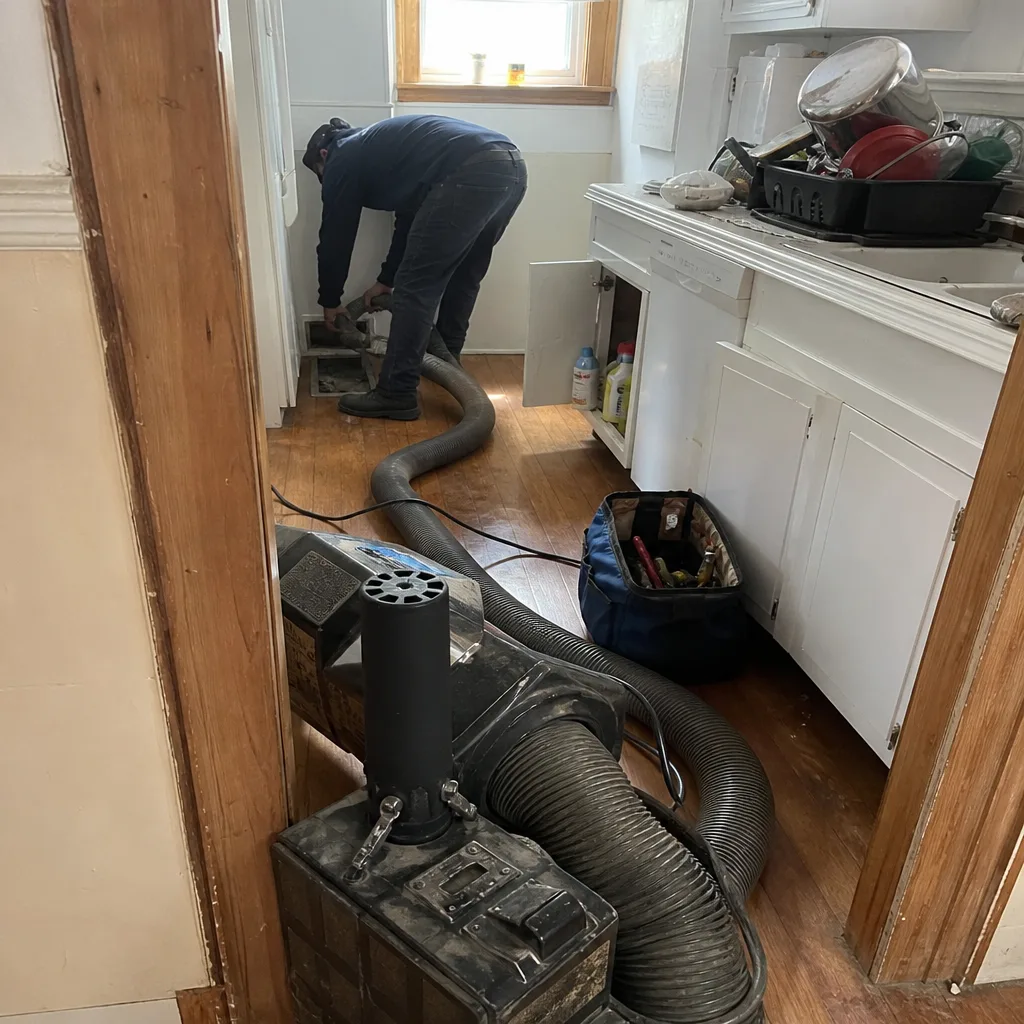 Before
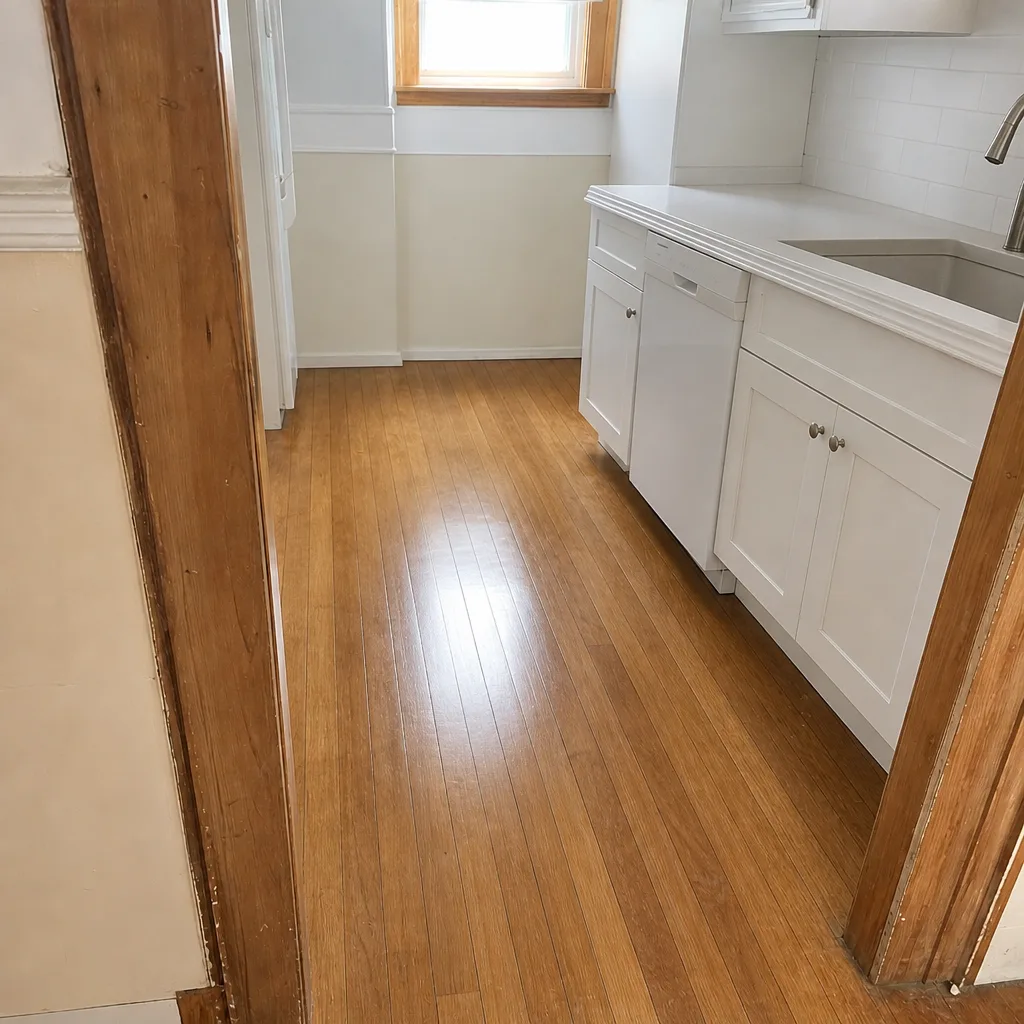 After
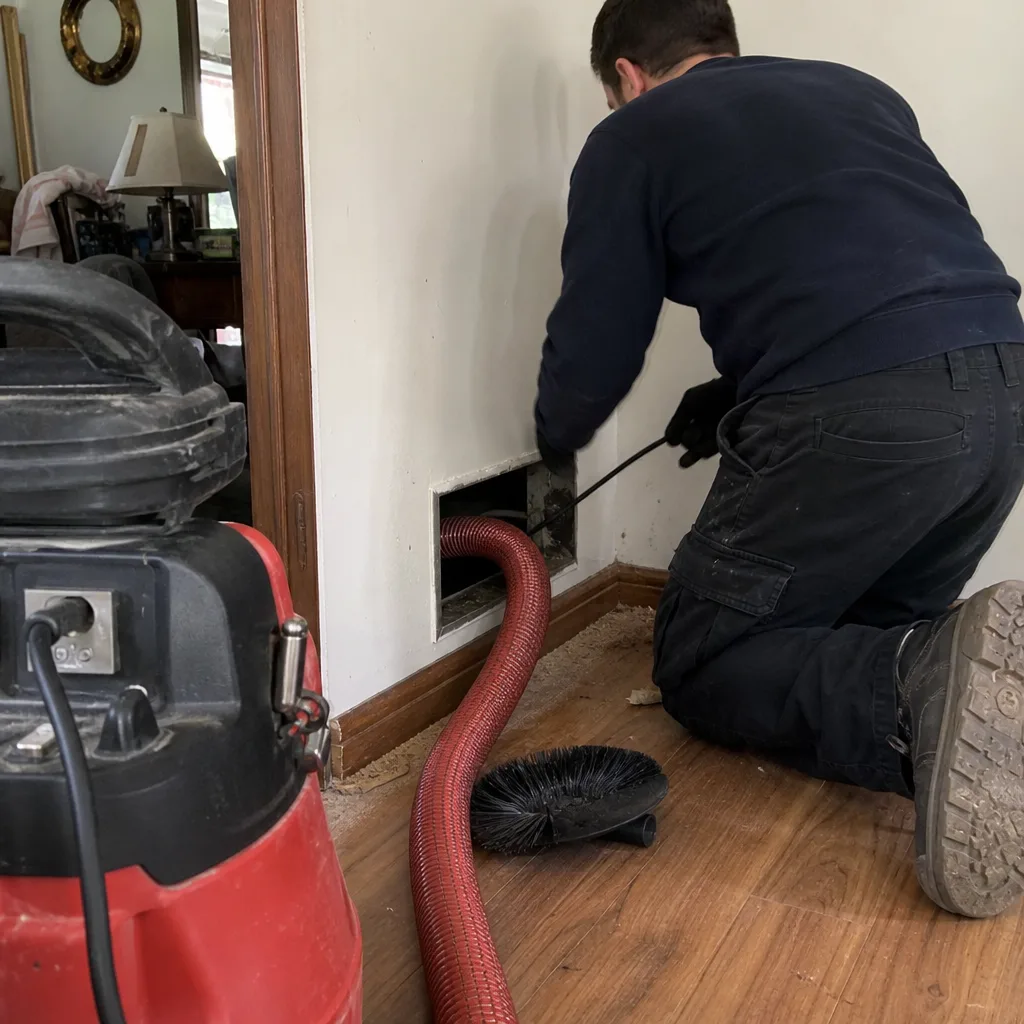 Before
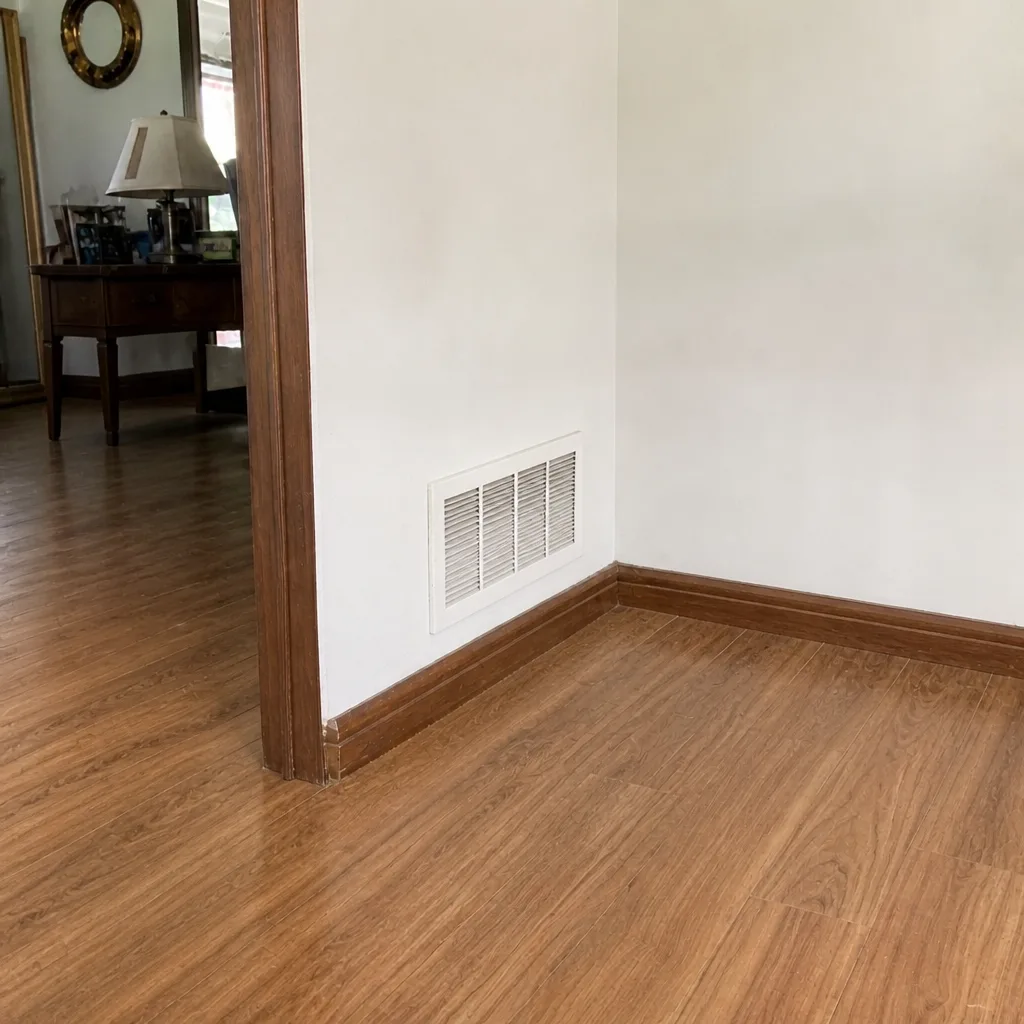 After
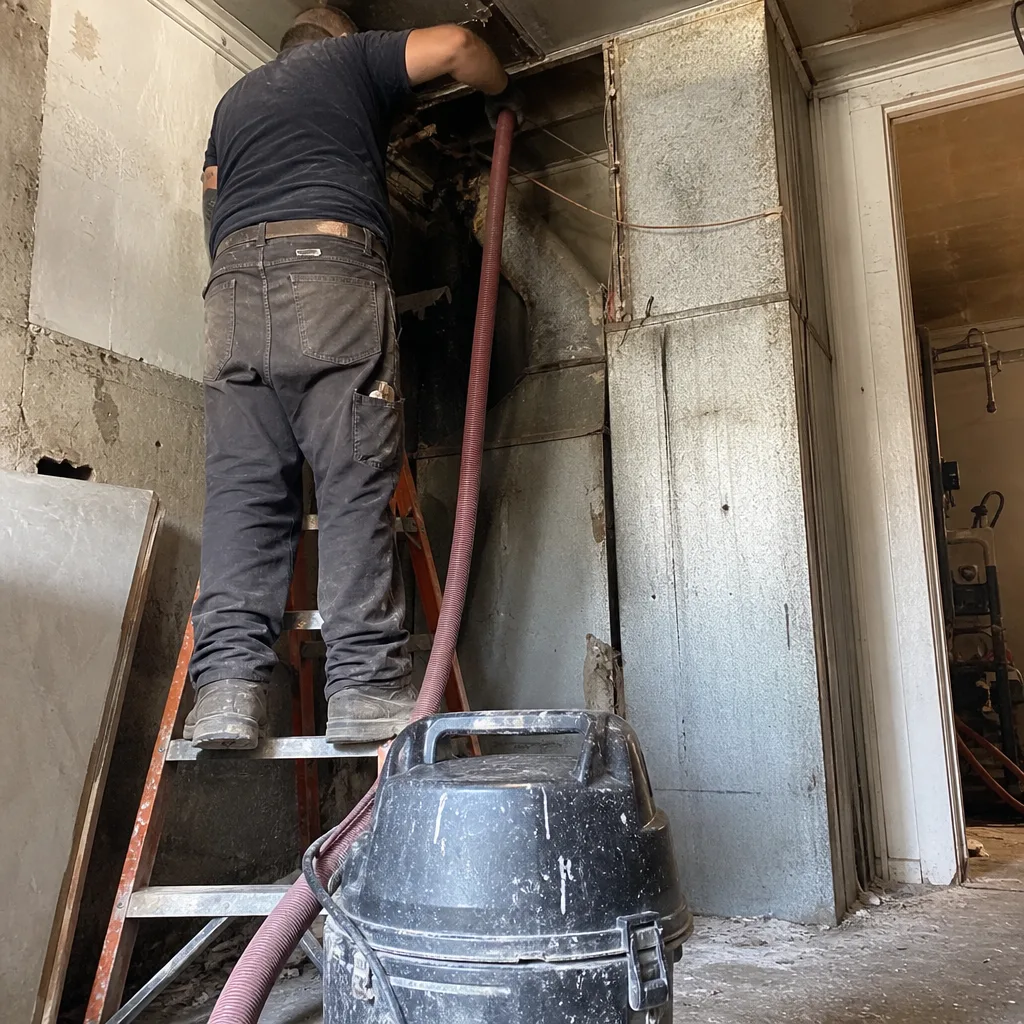 Before
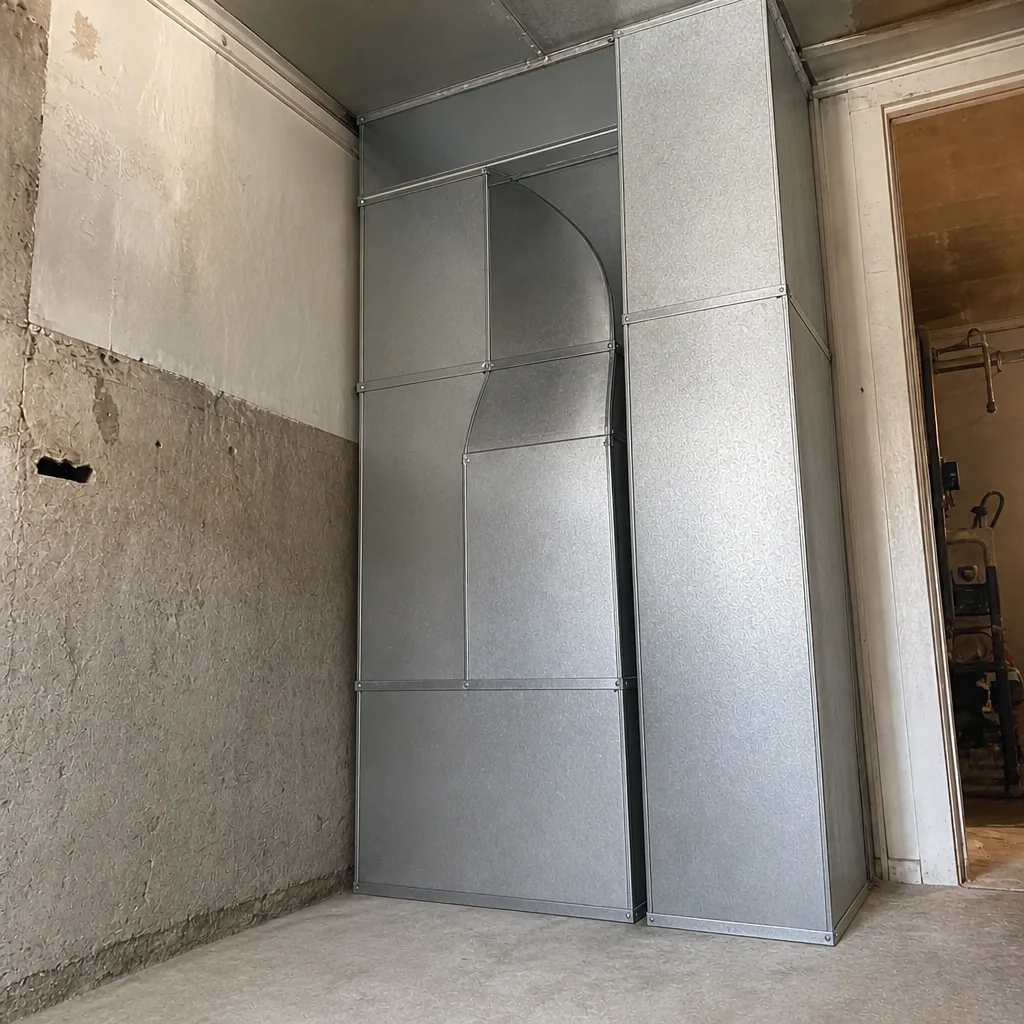 After
When to Call a Professional
Duct cleaning is one of those services where the specific trigger matters. Call a professional if you’ve recently completed a remodel and want the construction debris evacuated from the system; if you’ve moved into a Black Rock house and have no record of prior cleaning; if you see dust blowing from registers when the system starts; if there’s a persistent musty smell when heat or AC first comes on; if you notice uneven airflow or room temperatures that cleaning alone hasn’t fixed; or if a member of the household has ongoing allergy symptoms that seem tied to time spent indoors. Air Duct Cleaning Black Rock offers free estimates in Black Rock. Call (855) 337-1198. We answer 24/7. Fast dispatch from 7am to 7pm, Sunday through Friday.
Frequently Asked Questions
There’s no single number for Black Rock, because the price depends on the duct layout, the number of runs, the materials involved, and whether repair or sealing is added. A fair quote covers the whole system at one flat price agreed before any work starts, never a per-vent rate. Call (855) 337-1198 for an exact quote. Estimates are free.
Cheaper quotes usually cover less: fewer access points, less time on site, lighter equipment, and often no photos after the job. The math doesn’t allow a thorough source-removal cleaning to be done at a coupon price. If a quote is dramatically low, ask what equipment will be used and whether you’ll get a written report with before-and-after photos. Our written estimate spells out exactly what’s covered, and the price is set per system, not per vent. Call (855) 337-1198 to get one.
You should have a documented record: access point photos, interior before-and-after images, and airflow readings. Ask for all three before the technician leaves. If the crew never cuts access points, the interior of the ducts was never reached, and no cleaning really happened. Call (855) 337-1198 to schedule a visit where the report is part of the job.
There’s no fixed calendar. A household with pets, recent renovations, or allergy concerns tends to need it more often than a quiet home with none of those factors. Having the first cleaning done and getting a documented report gives you something concrete to base the next interval on. Call (855) 337-1198 to talk through your situation.
Cleaning removes debris but doesn’t fix the moisture source. In Black Rock’s humid summers, moisture staining near duct connections usually points to a leak or a condensation issue that needs repair and sealing to resolve. Cleaning plus repair is the sequence that holds up; cleaning alone will not. Call (855) 337-1198 to have both assessed in one visit.
Yes, dryer vent cleaning can be added to the same appointment. It’s a separate fire-safety service but scheduling it alongside duct work keeps the whole job in one visit. Call (855) 337-1198 to include it in your estimate.
The Bottom Line
A real duct cleaning in Black Rock takes hours, not minutes, because the housing stock demands it. Pre-1970 construction with retrofitted flex sections and cast-iron transitions doesn’t lend itself to a one-size pass, and lake-effect humidity means leaks and moisture issues are worth checking every time the system is open. The standard to hold any contractor against is three things working together: negative air pressure, rotary brush agitation, and HEPA filtration, all under a documented report with photos and airflow readings. Anything less is a blowout, not a cleaning. Our technicians have up to 11 years of experience, and we handle cleaning, repair, sealing, and sanitizing under one roof, so what the crew finds during the job is what gets fixed. Call (855) 337-1198 for a free estimate. We answer 24/7. Fast dispatch from 7am to 7pm, Sunday through Friday.
Written by the team at Air Duct Cleaning Black Rock.