
Last updated November 24, 2026
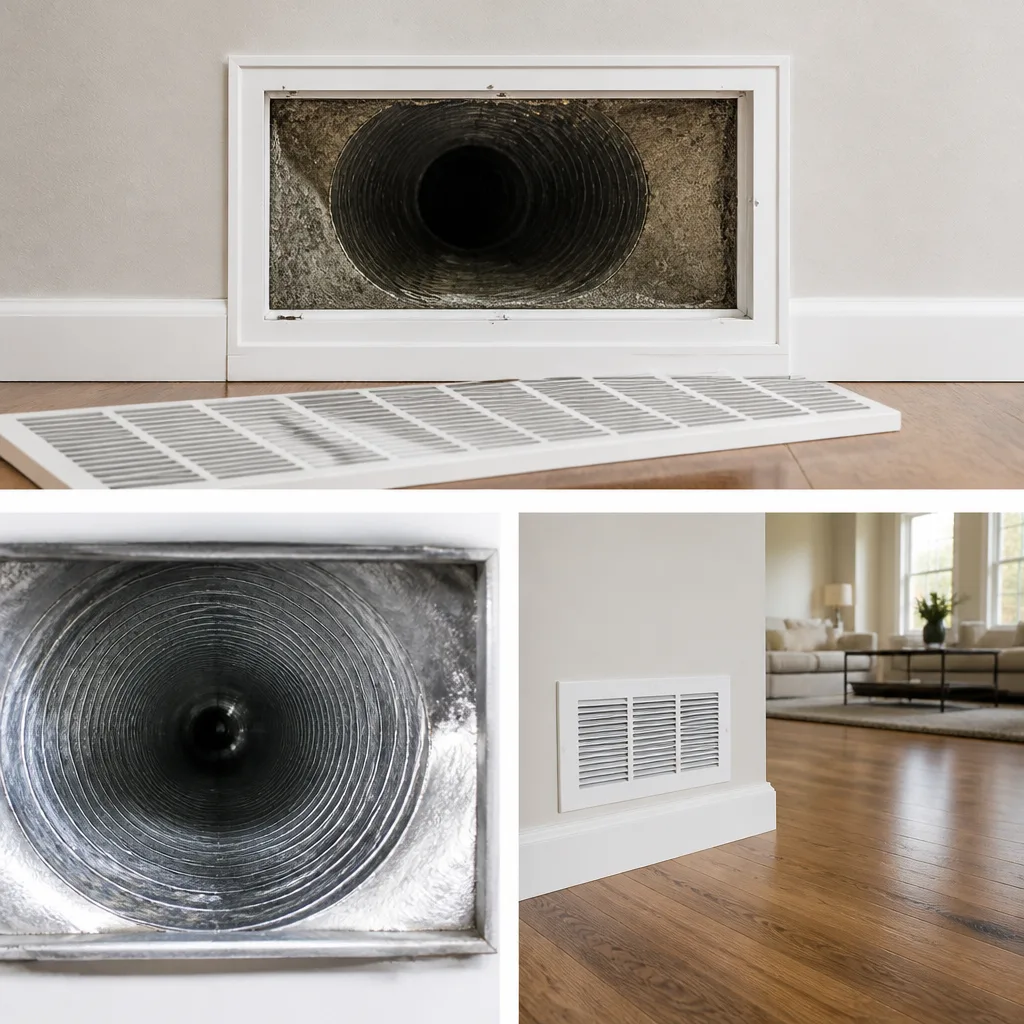 Whole-home duct cleaning
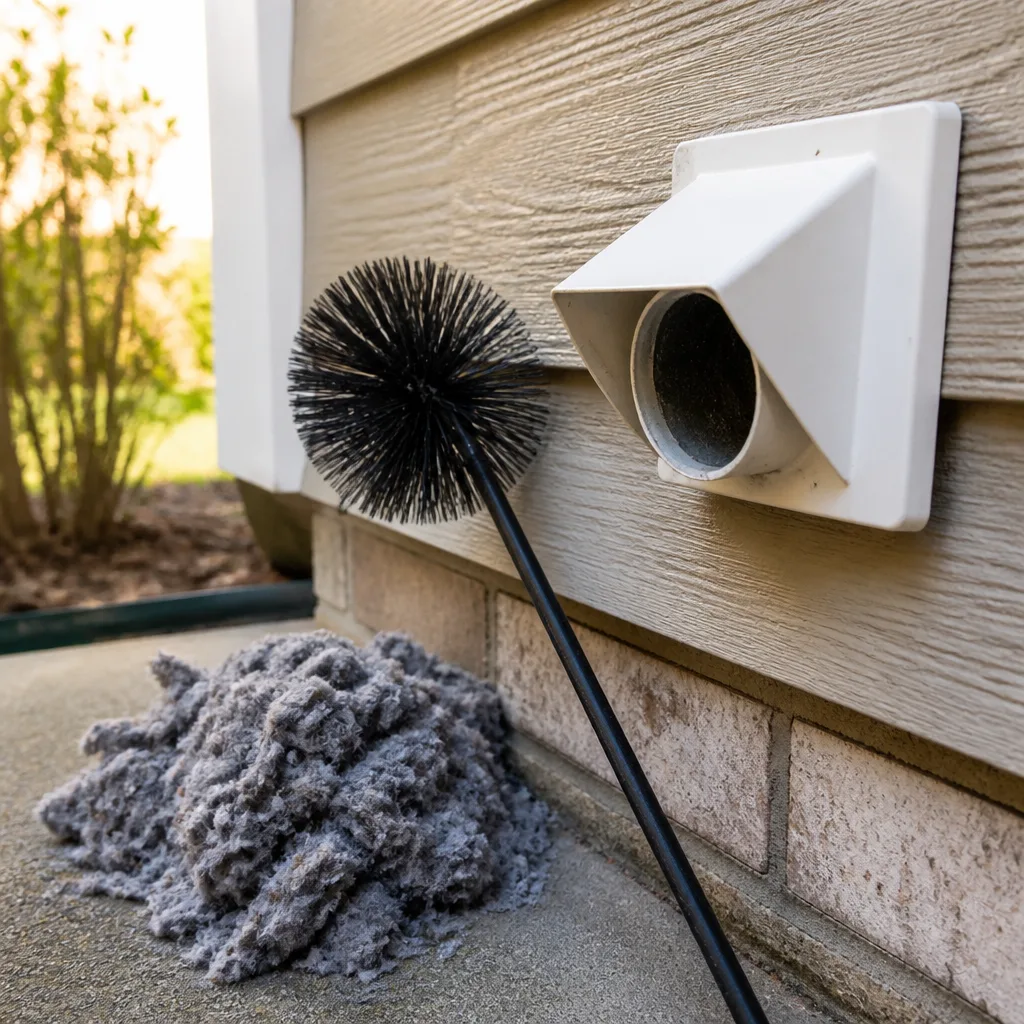 Dryer vent cleaning
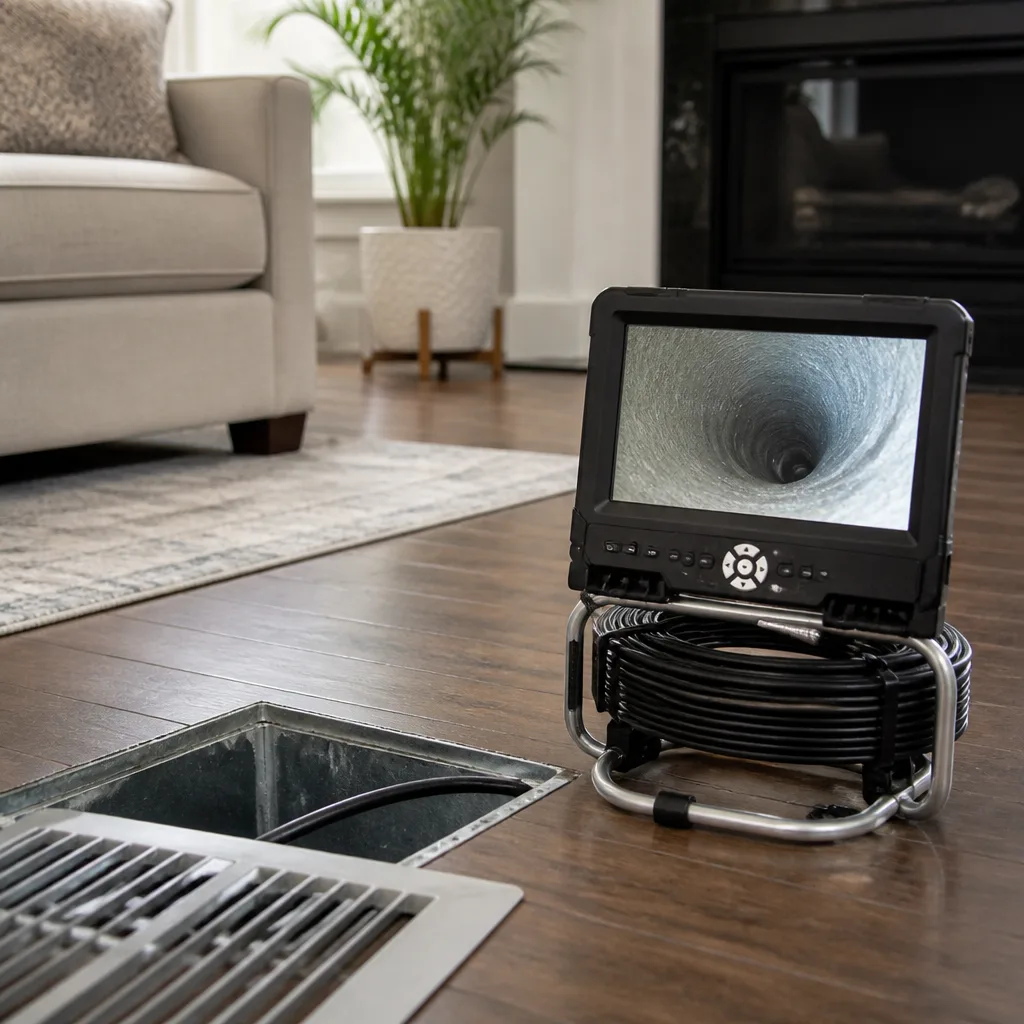 Camera inspection
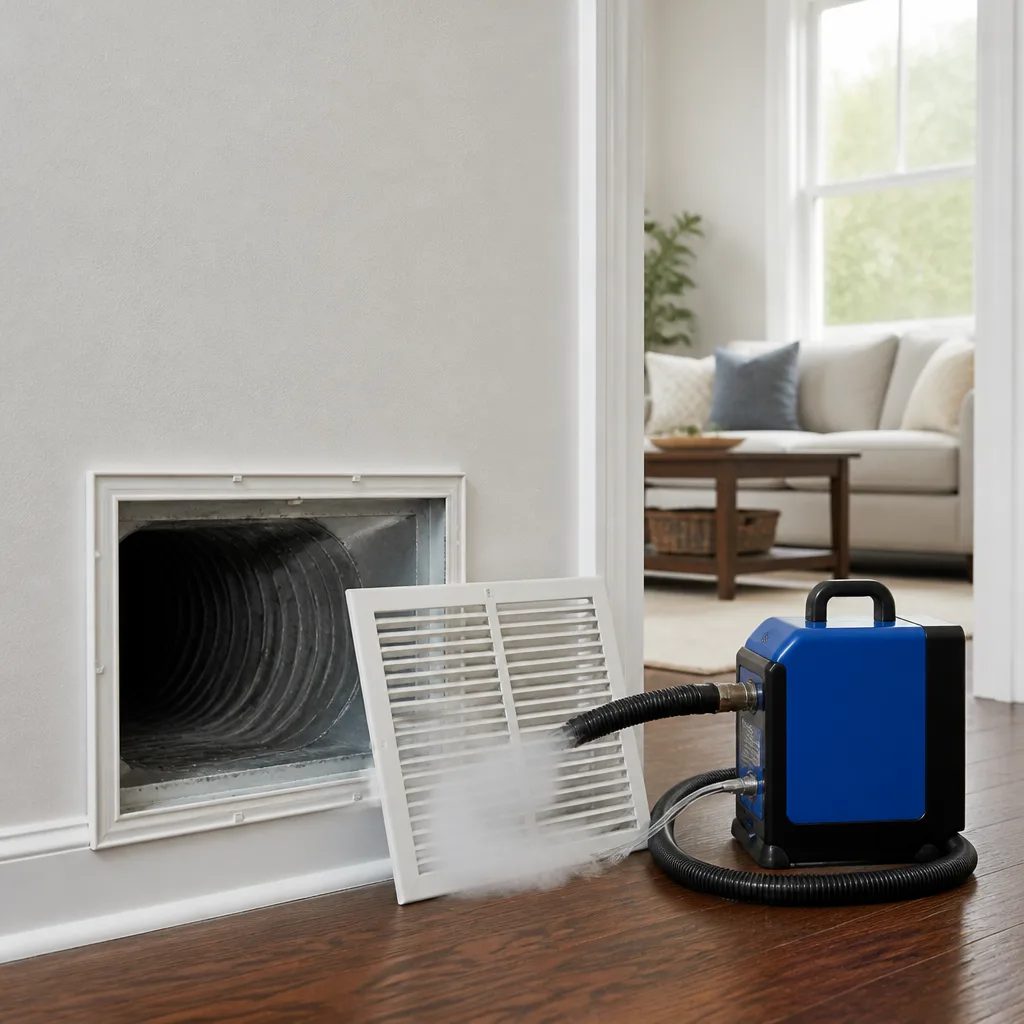 Sanitizing & deodorizing
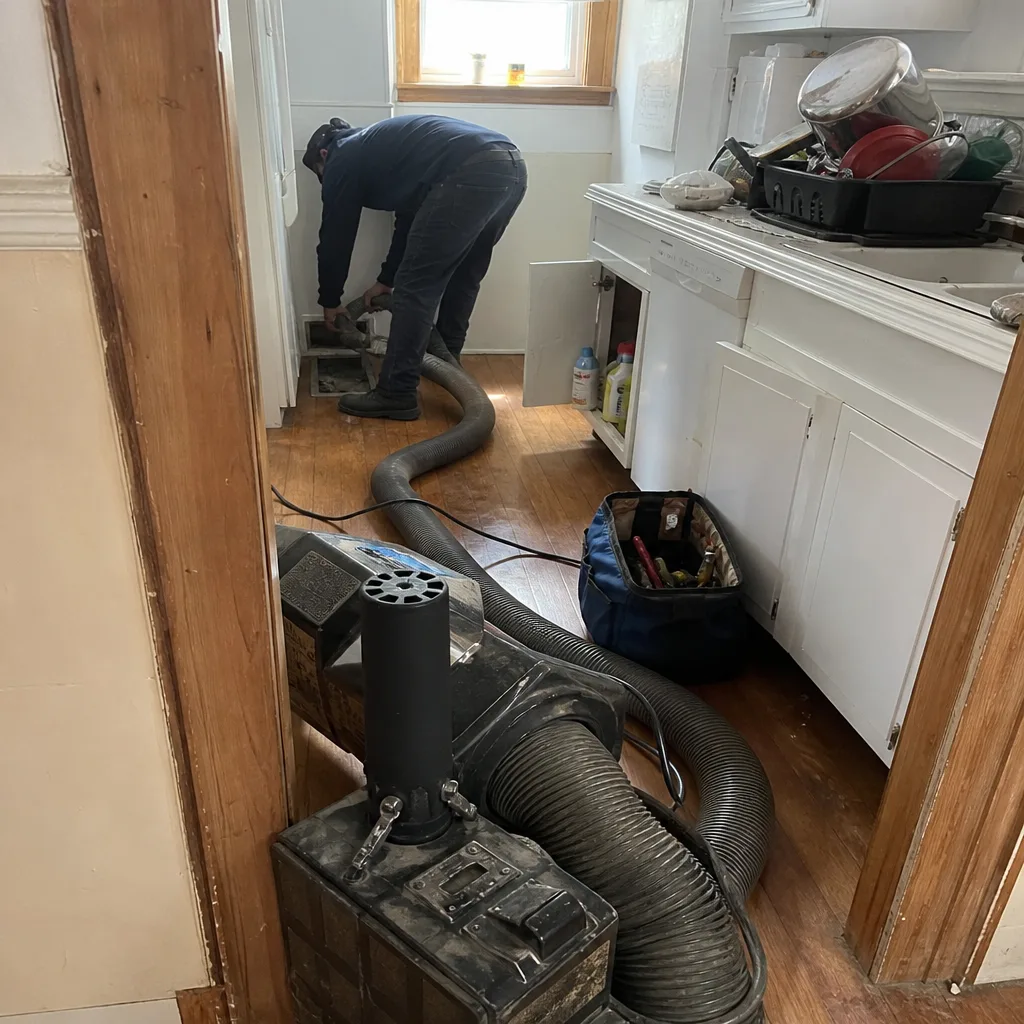
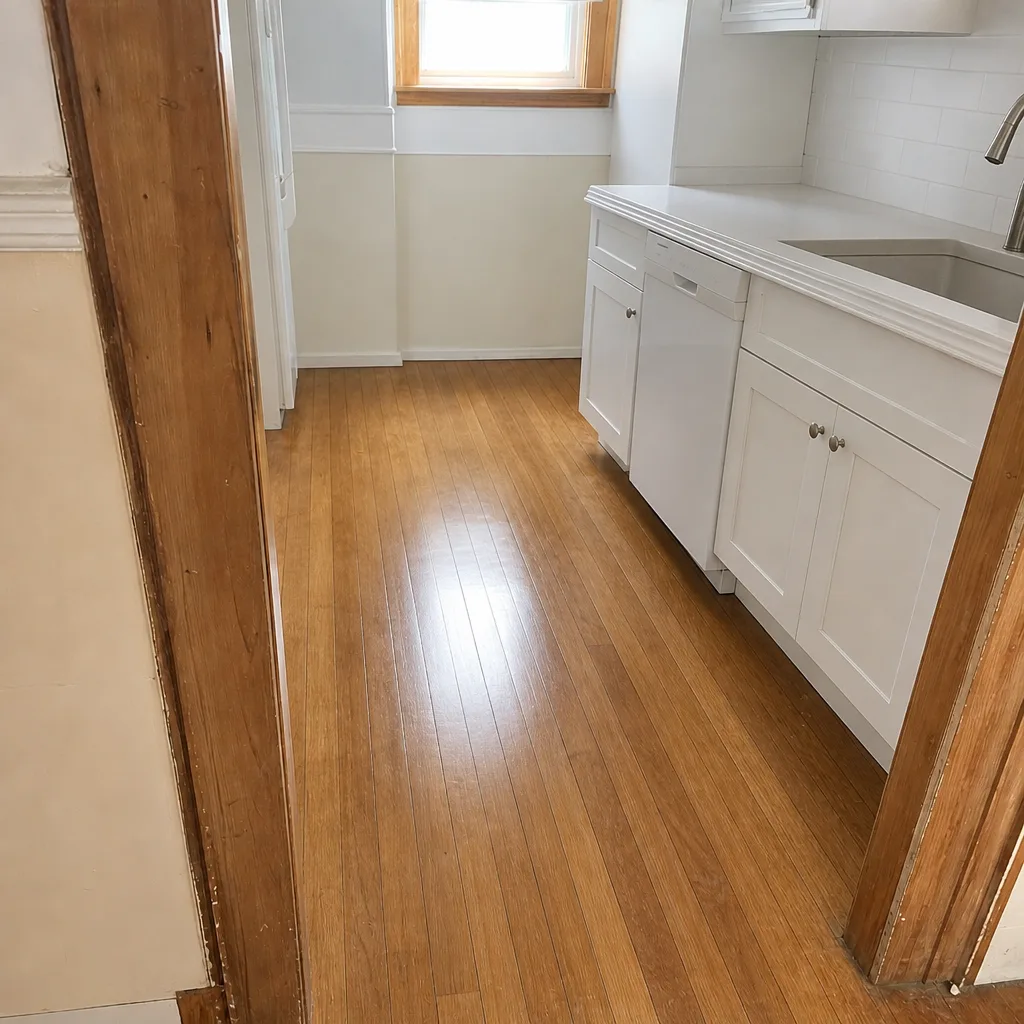
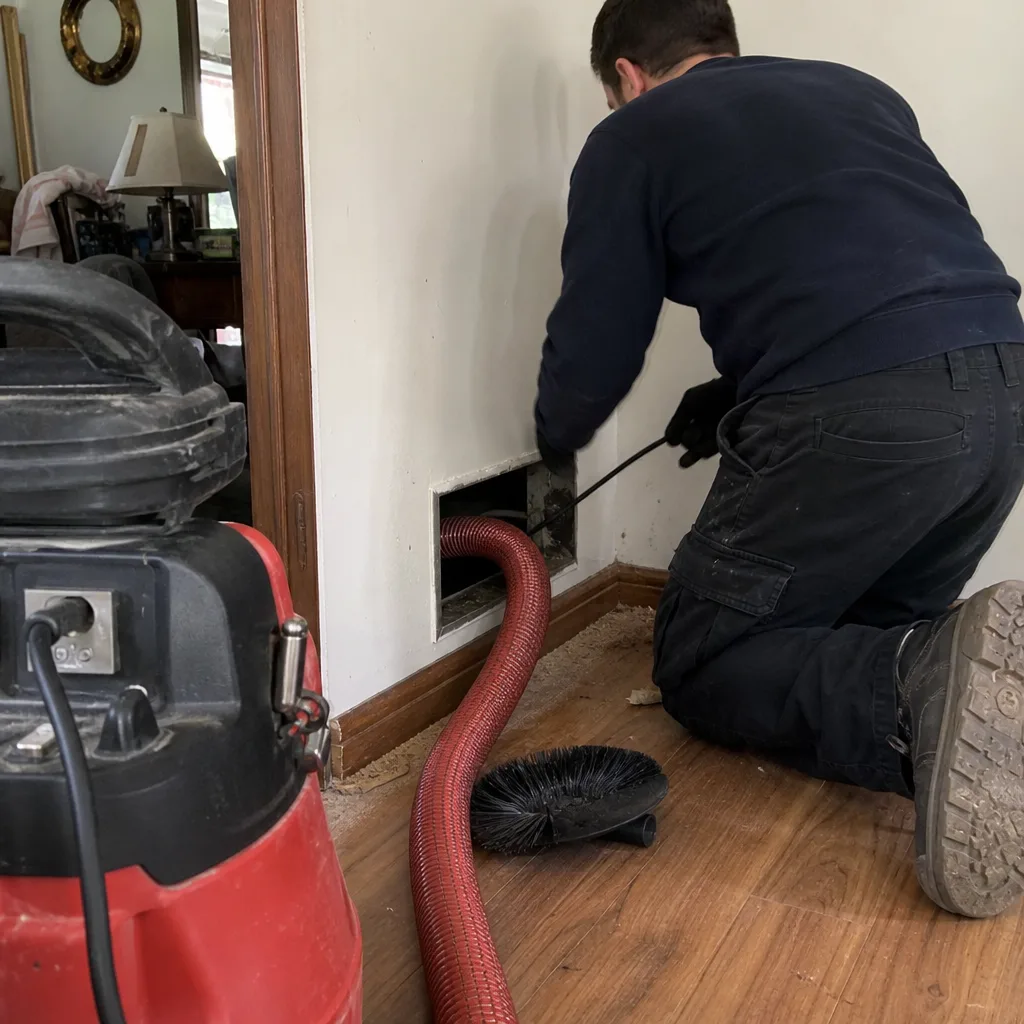
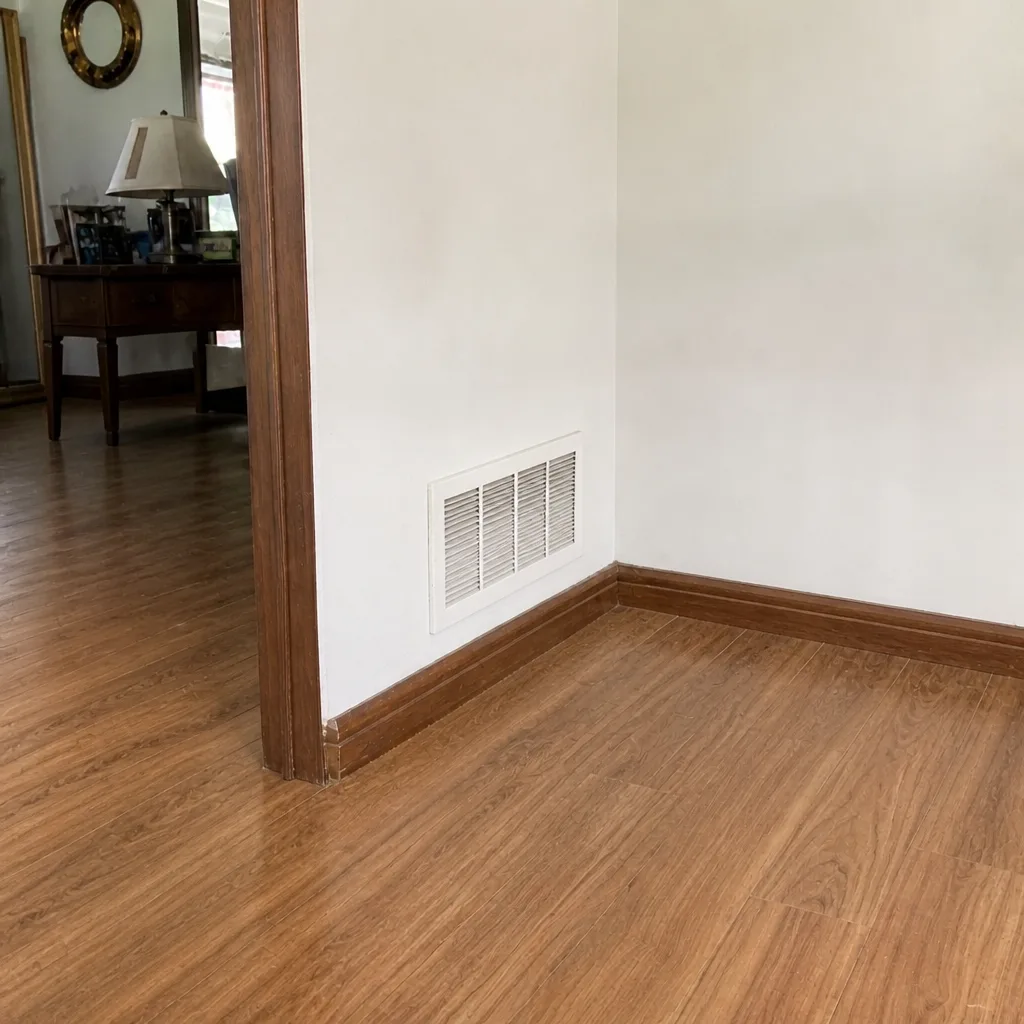
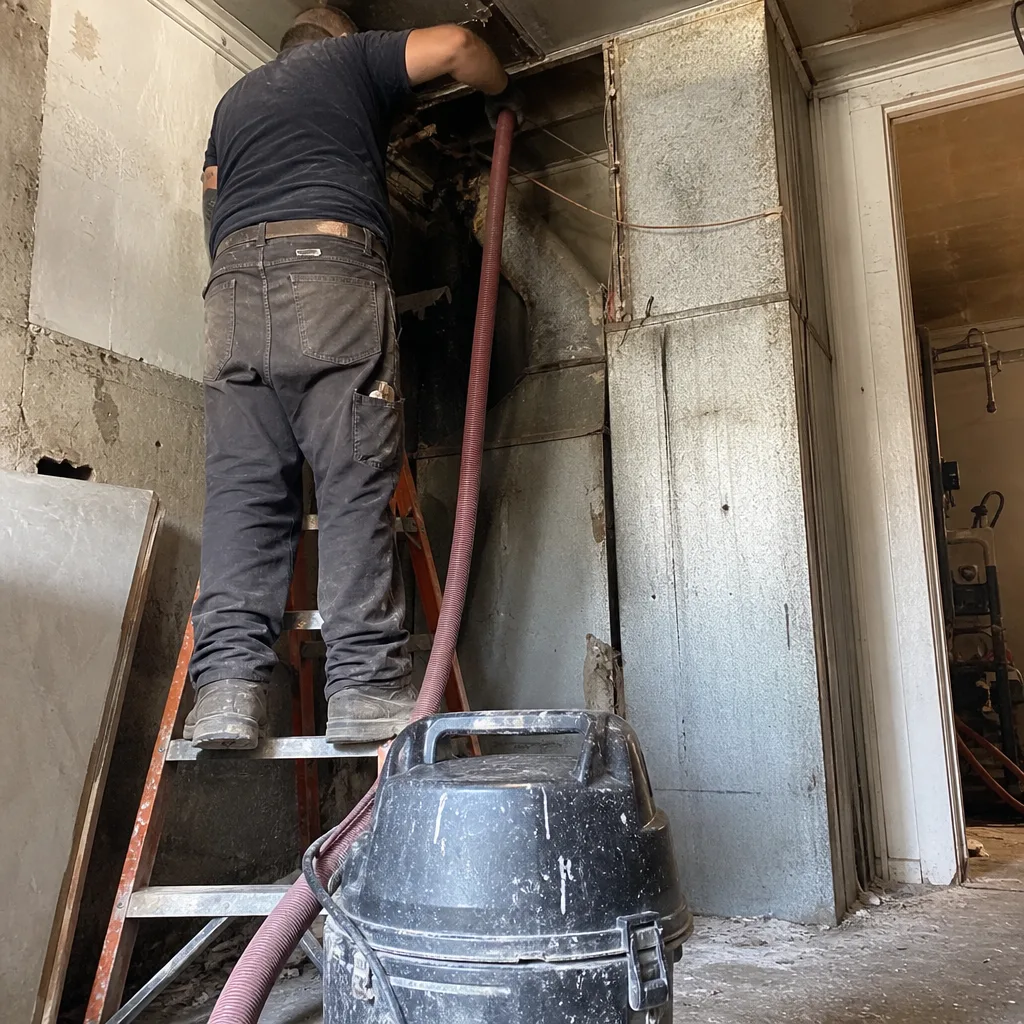
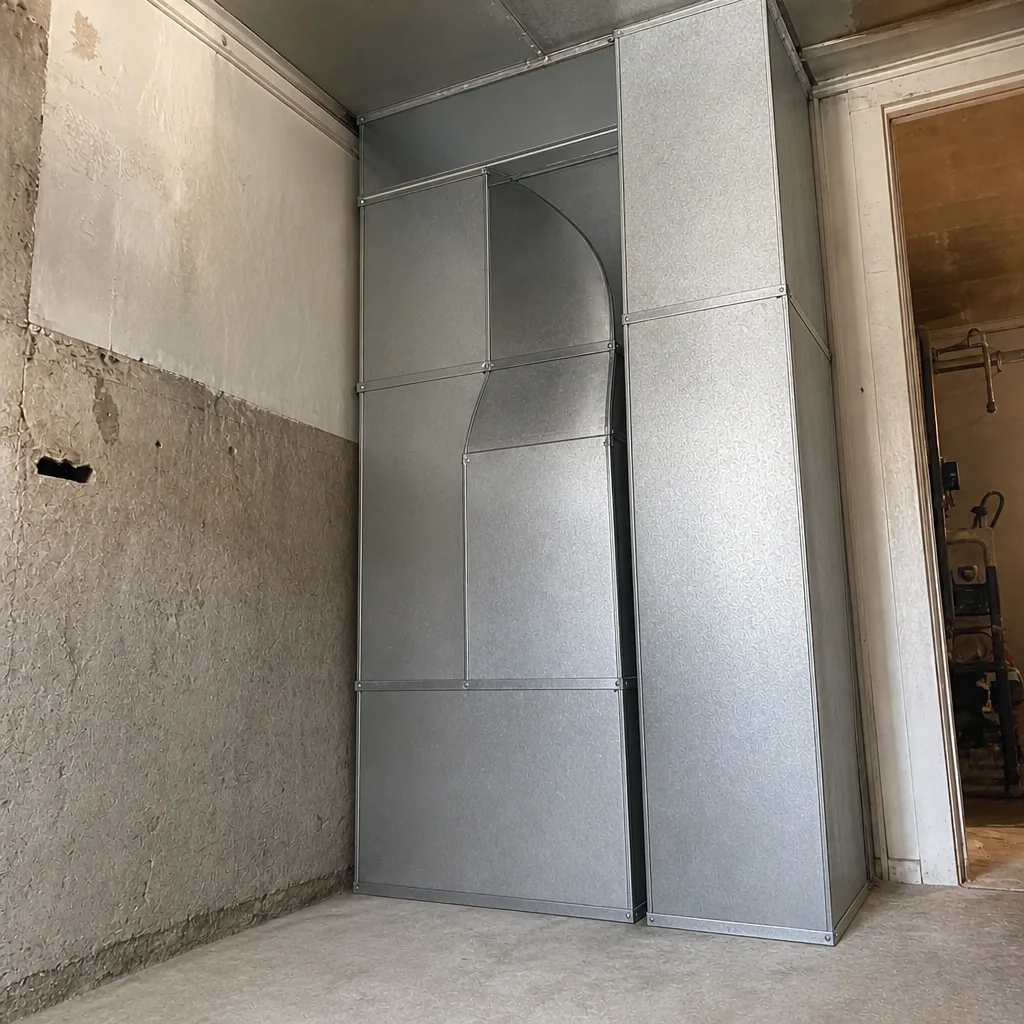
Whole-system duct and dryer vent check with before-and-after photos - you see exactly what came out of your vents
That "$99 whole-house special" is a bait ad - the real number appears once they are in your hallway, or the "clean" is a shop-vac at the register. We photograph the inside of your ducts before and after instead.
Air Duct Cleaning Warning Signs: A Black Rock Homeowner’s Reference Guide
A musty smell when your HVAC kicks on could mean mold growing inside the ducts. Or it could mean a dirty evaporator coil, a clogged condensate drain pan, or a filter that hasn’t been changed since the last time someone thought about it. Those are three different problems, three different fixes, and only one of them involves your ductwork at all. Most warning-sign lists stop at “dusty vents” and “weird smells” and leave you with no idea what you’re actually looking at. This guide connects the symptom you can see or smell to the mechanical cause behind it, so you can describe the problem accurately and skip the services you don’t need. We wrote it for Black Rock homeowners who want to know what they’re paying for.
Quick Answer
The warning signs that actually point to dirty ducts are visible debris or dark staining at the registers, a musty or stale smell that appears only when the system runs, uneven airflow between rooms, and dust that returns to surfaces within days of cleaning. Warning signs that usually point somewhere else are a smell that’s present with the system off, a single cold room, or a burning odor, which is a filter, coil, drain, or blower issue rather than a duct problem. A short inspection settles which category you’re in before anyone quotes you work.
Styles & brands we work with
- Whole-home duct cleaning
- Dryer vent cleaning
- Camera inspection
- Sanitizing & deodorizing
Table of Contents
- Symptom-to-Cause Mapping: What Each Warning Sign Really Means
- The System-Off Sniff Test: Separating Duct Odors from Coil, Drain, and Filter Odors
- What the Debris at Your Registers Is Telling You
- Airflow Symptoms: Leakage, Blockage, or Blower?
- When Household Allergy Patterns Are Worth an HVAC Inspection
- After a Renovation or a Move-In: The Black Rock Timeline
- What Real Equipment Looks Like vs. a Shop Vacuum
- Common Mistakes to Avoid
- When to Call a Professional
- Frequently Asked Questions
Symptom-to-Cause Mapping: What Each Warning Sign Really Means
Here’s the distinction that changes how you read your own house: dust at the supply vents and dust at the return vents are not the same signal. Supply vents push conditioned air out into rooms. Return vents pull air back into the system. Dust collecting right at the supply face, fanning out onto the drywall, usually means particles are settling as the air leaves the register. That points toward a dirty plenum or duct run, or a filter that’s letting material past it. Dust concentrated around the return grille tells a different story: the system is pulling in unfiltered air, which is often a filter that’s the wrong size, seated badly, or missing a proper grille gasket.
Getting this wrong is how homeowners end up buying a full duct cleaning when they needed a filter frame sealed, or paying for a “sanitizing treatment” on a system whose actual problem is a gap in a return chase. Neither outcome serves you. In Black Rock we see both in older homes and in newer construction, and the fix depends entirely on which vent is doing the collecting.
Here’s how to start mapping your own symptoms:
- Look at both supply and return vents, not just the ones in the rooms you use most.
- Wipe a vent face with a white cloth and look at the color. Gray is ordinary dust. Brown or black staining suggests something else.
- Note when the symptom started – a renovation, a new pet, a change in the filter, or a recent move all matter.
- Write down which rooms are affected so a technician can trace the run.
That record is worth more than any coupon. It lets a technician confirm or rule out a duct problem in minutes instead of guessing, and it keeps the conversation about your system rather than a menu of add-ons.
The System-Off Sniff Test: Separating Duct Odors from Coil, Drain, and Filter Odors
Run this test before you call anyone. Go to a room with a supply vent. With the HVAC completely off, lean in and smell the vent. Now turn the system on and smell again once air is moving. What changes between off and on tells you a lot.
- Smell only when the system runs: air is passing over, or through, something odorous in the duct path or at the air handler. Most often a damp interior liner, settled debris, or a coil that needs cleaning.
- Smell with the system off too: the source is sitting in the space, not being moved by airflow. Common culprits are a wet drain pan, standing water in a condensate line, or a filter that’s holding moisture and biological growth.
- A dusty, “old house” smell that fades within a minute of startup: usually settled dust getting stirred up, but a persistent version is worth checking.
- A burning or hot-plastic smell: stop and call for service. That points to an electrical or motor issue, not duct cleaning.
The evaporator coil deserves its own mention because it fools people. The coil sits at the air handler and stays wet much of the cooling season. Biological growth on a poorly maintained coil smells a lot like “dirty ducts” but cleaning the ducts won’t touch it. Since we inspect the air handler as part of our work, we’d rather identify a coil issue and clean it correctly than run a duct cleaning that leaves the smell in place. When we handle HVAC cleaning, the coil, drain pan, and cabinet are part of the scope for exactly that reason.
The filter is the third common source, and the simplest to rule out. Pull it and smell it. If the filter is the problem, replacing it and sealing the frame resolves the odor without paying for anything else.
What the Debris at Your Registers Is Telling You
Not all debris looks alike, and the type matters. When we look at registers in Black Rock homes, the material usually falls into three buckets:
- Fine gray dust cake is ordinary accumulation. It builds anywhere air moves slowly. Some is expected and cleaning it off the vent face is cosmetic.
- Fibrous material – lint, visible fibers, or insulation strands – suggests a break in the duct lining, exposed insulation at a joint, or a return path that’s pulling air through a wall cavity.
- Dark staining or streaking on the register or surrounding drywall is the one worth attention. It often means moisture is present along that run, and where there’s moisture there’s the potential for biological growth. That’s a repair-and-seal problem, not just a cleaning problem.
This is also where we see the biggest difference between a proper assessment and a quick sale. A technician who names the particle and traces it back to its source is doing real work. A technician who glances at a vent and recommends a full cleaning regardless is not. If the debris is fibrous and concentrated on one side of the house, the answer is a leak inspection, not a blanket cleaning.
One more thing worth knowing: when debris shows up on the register itself, it’s usually been carried there by air escaping from the duct. That means the joint behind that register or the run behind the drywall may be leaking. Fixing the leak stops the deposit. Cleaning the vent face alone never does.
Airflow Symptoms: Leakage, Blockage, or Blower?
Weak airflow from the vents can come from three very different places, and each has a fix the others won’t touch. Misdiagnosis here is one of the most common reasons homeowners pay for duct cleaning and see no change.
- Duct leakage: air escapes before it reaches the room. Signs include strong airflow right at the air handler but weak airflow at distant registers, rooms that never seem to reach set temperature, and dust at joints.
- Blockage: something in the duct, or a damper closed, is stopping air movement. Signs include one or two rooms consistently weak while others are fine, and a hissing or whistling sound at a vent.
- Blower or filter issue: the system isn’t moving enough air in the first place. Signs are weak airflow everywhere, a filter that’s clogged, or a blower that sounds strained. A dirty blower wheel or an undersized return can cause this without any duct defect.
If a contractor’s first step is always “cleaning,” the diagnosis is being skipped. In our experience, a proper inspection includes a look at the air handler, a check of the filter and return sizing, and a walk-through noting which vents are weak. Only then can you decide whether air duct cleaning is the right service or whether you need duct repair and sealing first.
When we find gaps, disconnected sections, or damaged runs, we repair and seal them rather than reporting and leaving. That’s what Air Duct Cleaning Black Rock is built around: diagnose the source, fix what’s broken, and clean what’s actually contaminated.
When Household Allergy Patterns Are Worth an HVAC Inspection
Duct contamination is one of several possible contributors to indoor allergy symptoms, and it’s worth knowing which patterns point toward your HVAC and which don’t. We’re not going to tell you duct cleaning cures allergies. We will tell you what patterns are worth inspecting.
- Worth a look: symptoms that worsen when the system runs and ease when it’s off. Symptoms that follow certain rooms. Increased sneezing after a return grille was disturbed.
- Worth a look: eye or throat irritation in the same room where you notice a musty smell or visible dust at the registers.
- Usually not HVAC-related: symptoms that are constant regardless of the system, seasonally tied to pollen counts, or confined to one occupant with a known non-environmental trigger.
- Always worth a separate conversation: any concern that’s serious or persistent belongs with a doctor first, not a duct contractor.
The reason this matters in Black Rock is that many homes here have a combination of older construction and newer mechanical equipment, and the two don’t always meet cleanly. A system added or replaced years after the house was built can leave return paths sharing space with wall cavities. That’s an inspection finding, not an allergy claim. When we walk a home, we’re looking at the physical duct path, not making health promises.
After a Renovation or a Move-In: The Black Rock Timeline
Two moments in a house’s life deserve a closer look at the ductwork: right after a renovation, and right after you move in. Both leave debris that’s invisible from the room but sitting in the runs.
Renovation debris is specific. Drywall dust is fine enough to travel deep into the system and settle where no filter catches it. Sawdust and insulation fibers are heavier and land closer to the intake. Construction dust often carries a faint mineral smell, and it accumulates fastest in the return path next to the work area. If the renovation involved opening walls or ceilings, ductwork in those spaces should be checked, and any gaps in the runs from demolition should be sealed before the cleaning.
For a move-in, the unknown history is what counts. A prior owner’s pet dander, an old filter that was left in place, or a system that ran years without cleaning can all be sitting in the ducts. A fresh inspection tells you whether you’re starting clean or need to address something before it becomes your problem.
We use Abatement Technologies equipment for containment and filtration during this kind of work so debris doesn’t migrate through the house while we’re removing it. If the renovation is ongoing, we can talk through timing so the cleaning happens after the dust settles, not in the middle of it.
What Real Equipment Looks Like vs. a Shop Vacuum
You can learn a lot by asking what equipment a company plans to use. This is not a trick question, and the answer tells you whether the work will actually remove debris or just loosen it.
- Rotobrush and Nikro are industry-standard duct cleaning systems. Rotobrush uses a rotating brush and vacuum to agitate and capture debris from inside the run. Nikro covers a range of vacuum and agitation tools used by HVAC contractors. Both capture material rather than blowing it around the room.
- Abatement Technologies equipment handles containment and air filtration during cleaning, which matters whenever debris is being disturbed in an occupied home.
- Honeywell and Aprilaire products are where cleaning meets long-term air quality. If your inspection shows the system needs better filtration, we carry and install both in the same visit rather than sending you to a separate contractor.
- Guardsman sanitizing treatments are applied after cleaning, so the named product layer is documented rather than generic.
What you shouldn’t accept is a shop vacuum and a promise. Consumer vacuums don’t have the filtration or airflow to contain fine debris, and the result is a home that looks cleaner while the ducts are not. Our technicians have up to 11 years of experience, and we’re happy to name the equipment and explain why before we start. If the related problem is in the laundry area, we also handle dryer vent cleaning, which is a fire-prevention service rather than a comfort one.
Common Mistakes to Avoid
- Booking on price alone. The lowest quote usually means one pass with consumer equipment, not a contained, thorough cleaning. Ask what tools are used and whether the work is inspected before and after. The real cost of a cheap job is doing it twice.
- Buying a full cleaning before anyone has looked at the cause. A musty smell with the system off is a coil or drain issue, not a duct issue. Get the symptom mapped to the cause first, then decide on the service.
- Skipping the before-and-after photos. The most reliable confirmation that work was done is a photo of your own ducts. Ask to see them for your home, not a sample set.
- Cleaning without repairing. Cleaning a duct run that has a gap will let the same debris back in on the next cycle. If the inspection finds leaks, repairing and sealing them is the step that makes cleaning hold.
- Ignoring the filter frame. A filter that doesn’t seat properly lets unfiltered air past it, which shortens the life of any cleaning. In older Black Rock homes, we often find filter compartments that were fitted for a different filter size.
- Treating a burning smell as a duct problem. Burning or hot-plastic odors are an electrical or motor issue. Stop running the system and get it inspected, not cleaned.
- After a renovation, cleaning before the work is truly finished. Dust keeps settling while trades are still on site. Time the cleaning to when the house is done.
When to Call a Professional
Call a professional when you can see visible debris or dark staining at registers, when an odor appears only with the system running and persists after a filter change, when airflow is uneven between rooms without a clear filter cause, or when you’ve just finished a renovation or moved into a home with unknown history. Call sooner if you smell burning, if you find water near the air handler, or if a duct run has visible damage. In our experience, those cases benefit from an inspection that includes the air handler and a look at the duct joints, not just the vents. Air Duct Cleaning Black Rock offers free estimates in Black Rock. Call (855) 337-1198. We answer 24/7. Fast dispatch from 7am to 7pm, Sunday through Friday.
Frequently Asked Questions
Air duct cleaning in Black Rock is priced per system, by a written estimate, not per vent. That means you agree to a flat price for the whole system before work starts, and the written estimate sets the final price. Per-vent pricing is what allows a small base number to grow into a much larger invoice once a technician is on site, which is exactly the pattern to ask about before booking anywhere.
Cheap quotes usually omit either the equipment or the scope. A low number that doesn’t include the air handler, a contained vacuum, or a repair step isn’t the same service. Ask which tools will be used – Rotobrush and Nikro are the systems HVAC contractors use, and a shop vacuum is not. Ask whether the price covers the whole system or adds per-vent charges. Call (855) 337-1198 for a straight answer on what our estimate includes.
Ask for before-and-after photos of your own ducts, at the same locations, so you can see the change. Any professional-grade job supports that. A cleaning that photographs and inspects before and after is the one you can verify, and it’s a fair thing to request from any company.
For most homes, duct cleaning is not an annual service. It’s warranted when there’s evidence: visible debris, a smell that traces to the duct path, uneven airflow after other causes are ruled out, or a renovation or move-in. A home without those signals can wait. A home with pets, recent construction, or a known contamination issue is a different timeline, and an inspection settles it without guesswork.
It can reduce one possible source of indoor irritants, but it isn’t a treatment for allergies. The useful pattern to watch is whether symptoms change when the system runs versus when it’s off. If they do, an inspection is worth it. If symptoms are constant or seasonal, the HVAC is unlikely to be the main cause. Call (855) 337-1198 if you want the system itself checked.
Yes. Duct repair and sealing are part of the same service, so a gap, disconnected section, or damaged run found during the inspection can be fixed in the same visit rather than reported and left. Sealing a leak before or during cleaning is what makes the cleaning last. Black Rock homeowners often ask this, and it’s a reasonable test of whether a company is set up for the whole problem or only the cleaning portion.
The Bottom Line
The warning signs that point to dirty ducts are visible debris, dark staining, an odor that appears with the system running, uneven airflow, and dust that returns quickly after cleaning. The symptom-to-cause map is the real tool: supply vents tell you about deposition, return vents tell you about unfiltered air, an off-system smell points at the coil or drain, and a burning smell points at electrical work. Anyone who names a service before finding the cause is guessing. In Black Rock, a free estimate from a team that inspects, repairs, seals, and cleans is the place to start. Call (855) 337-1198. We answer 24/7. Fast dispatch from 7am to 7pm, Sunday through Friday.
Written by the team at Air Duct Cleaning Black Rock.
See the difference
 Before
 After
 Before
 After
 Before
 After