
Last updated November 24, 2026
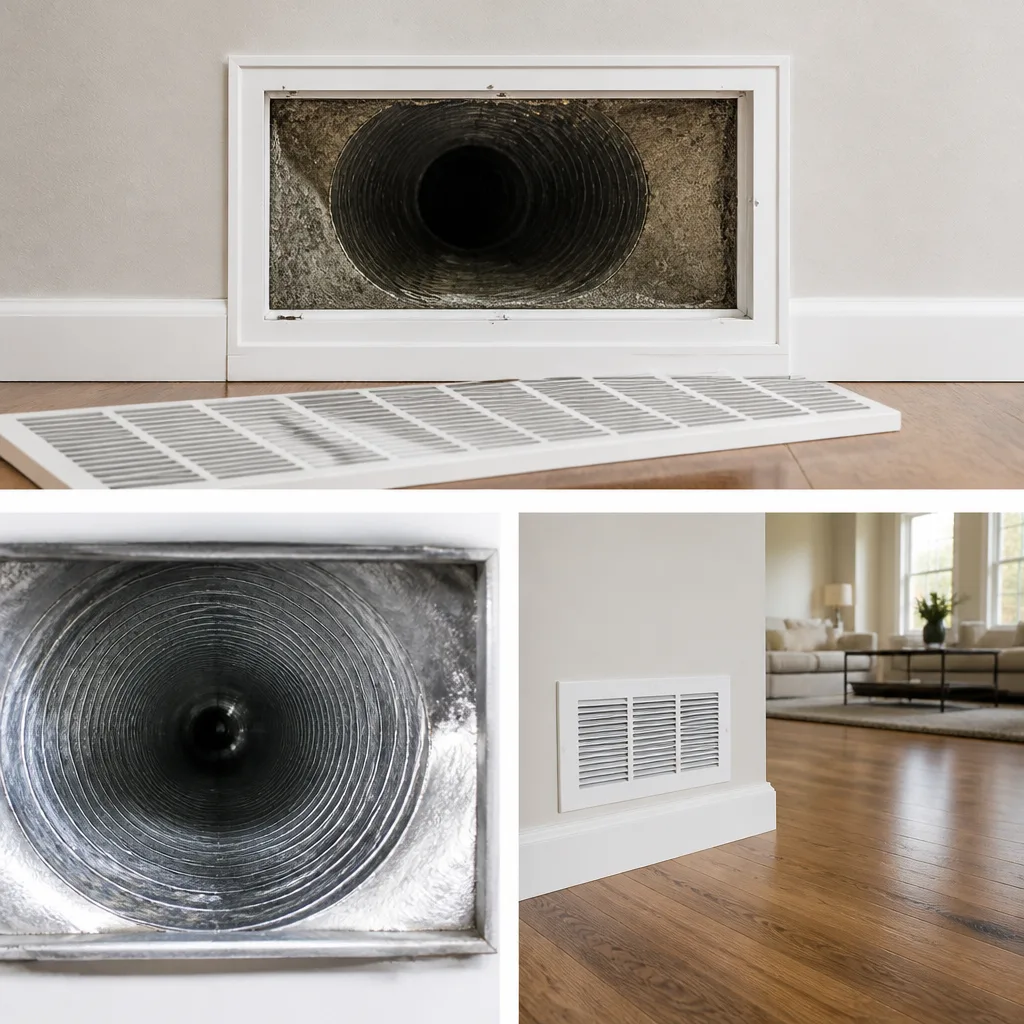 Whole-home duct cleaning
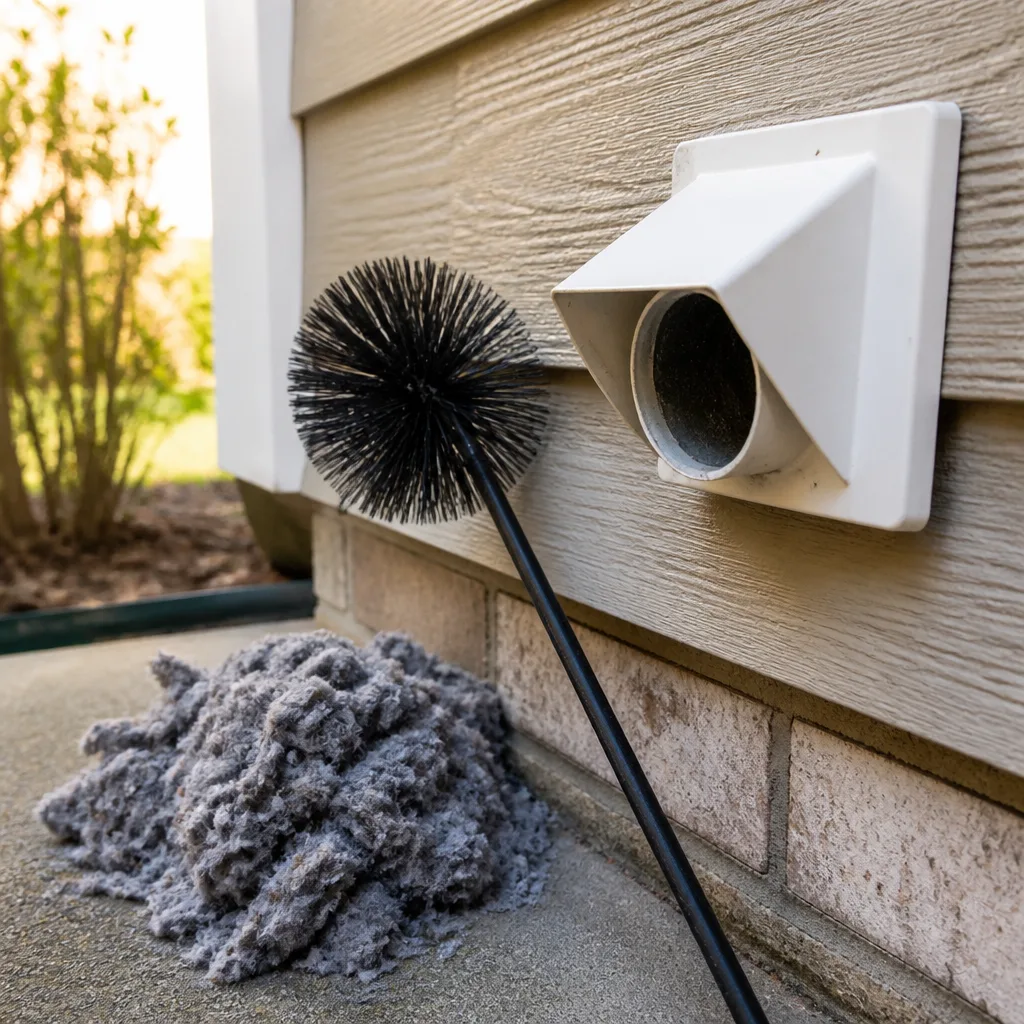 Dryer vent cleaning
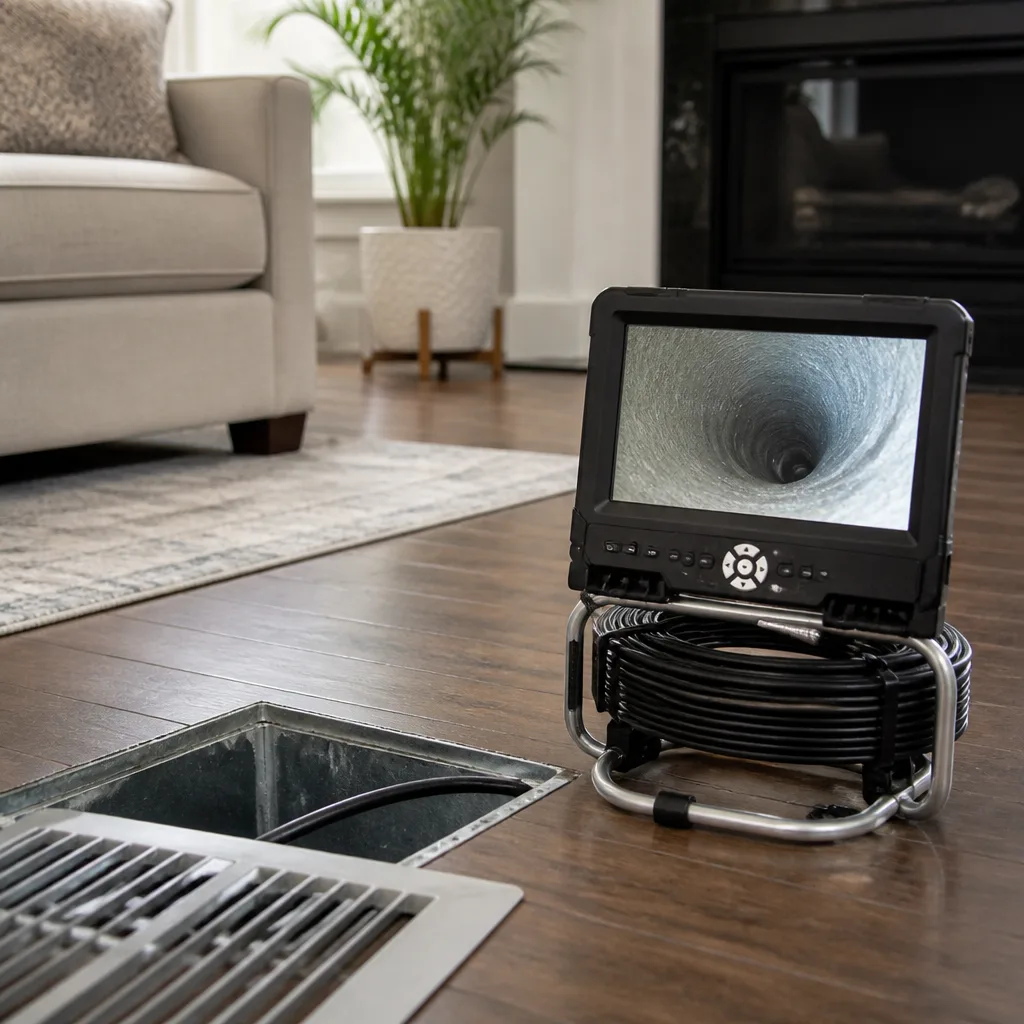 Camera inspection
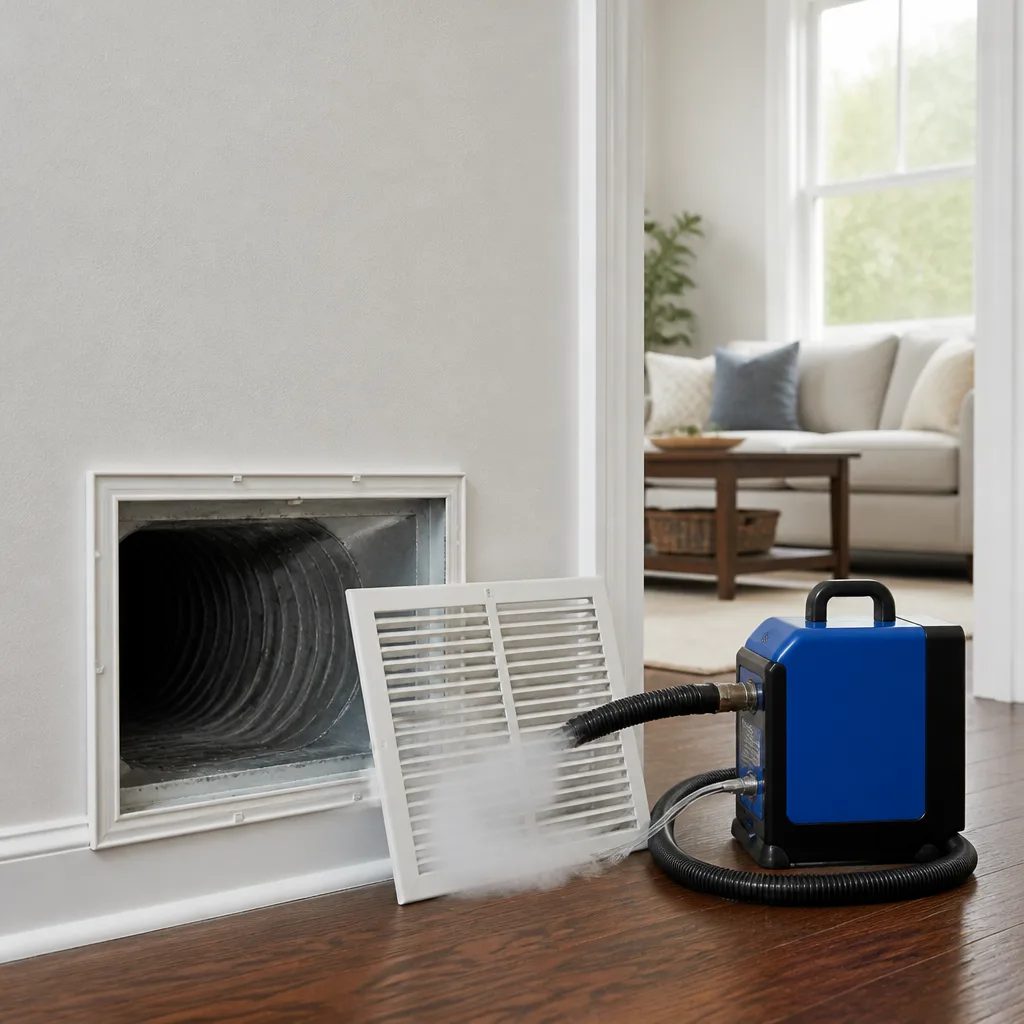 Sanitizing & deodorizing
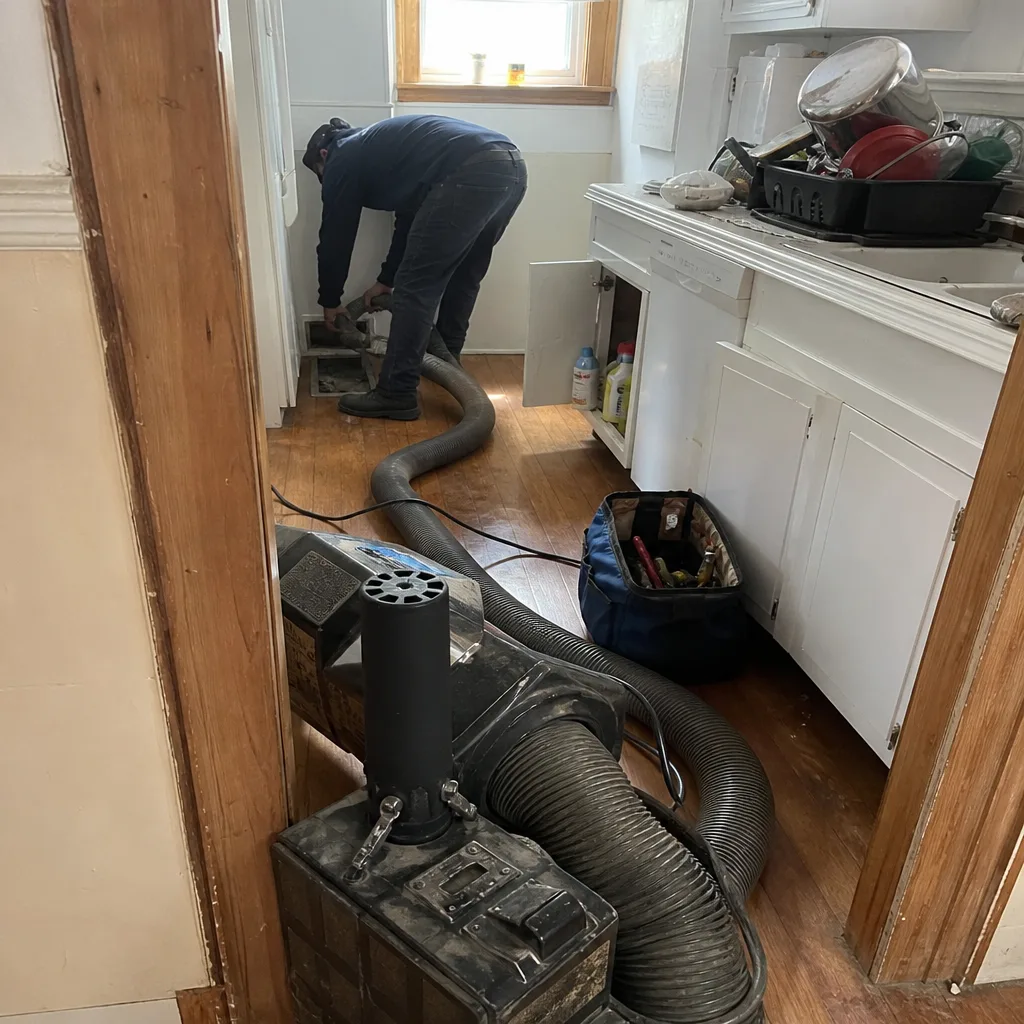
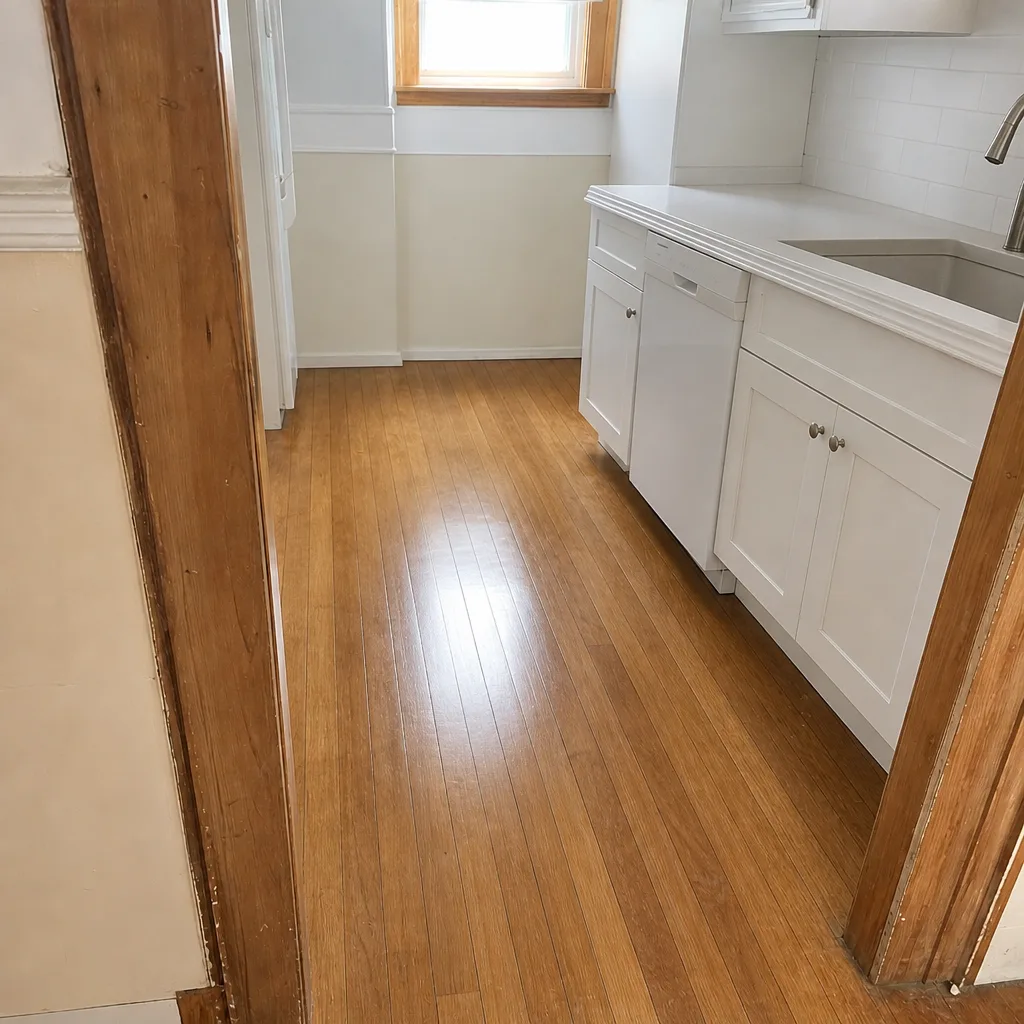
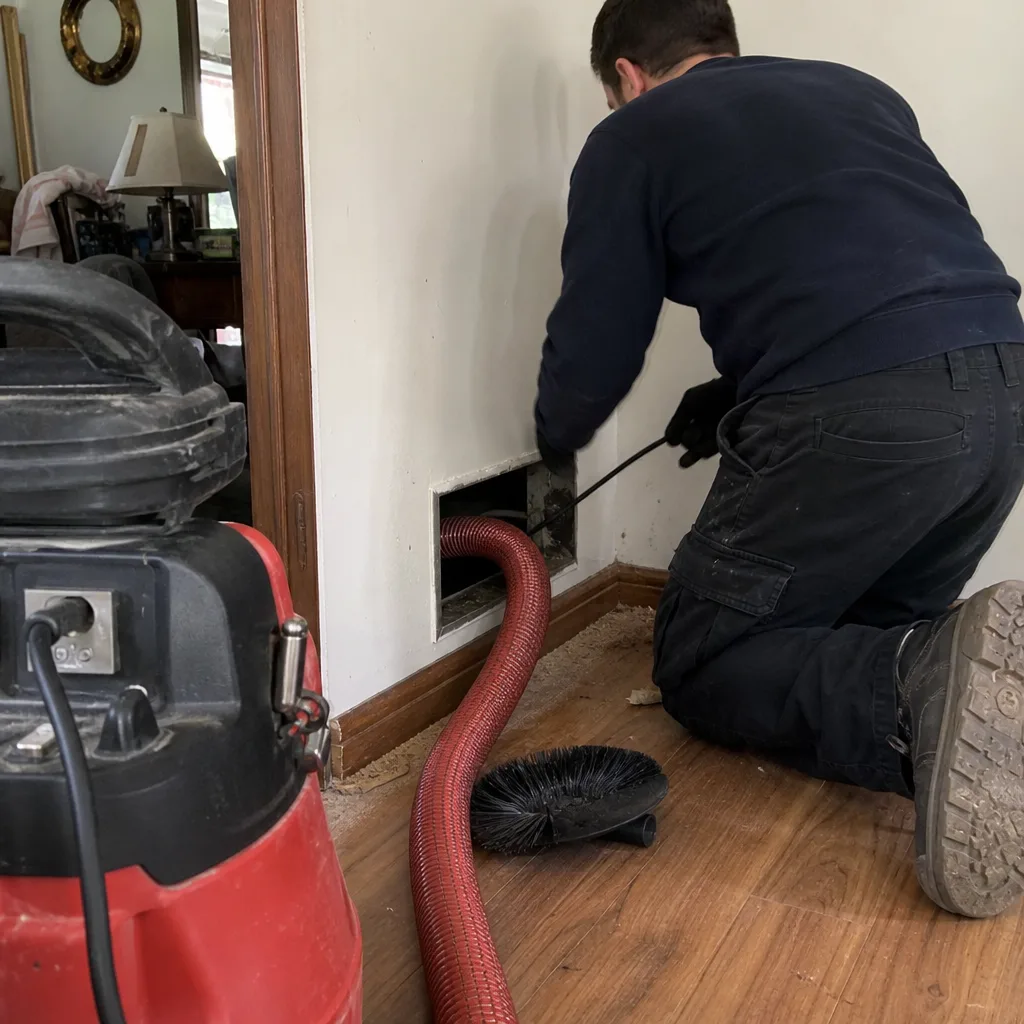
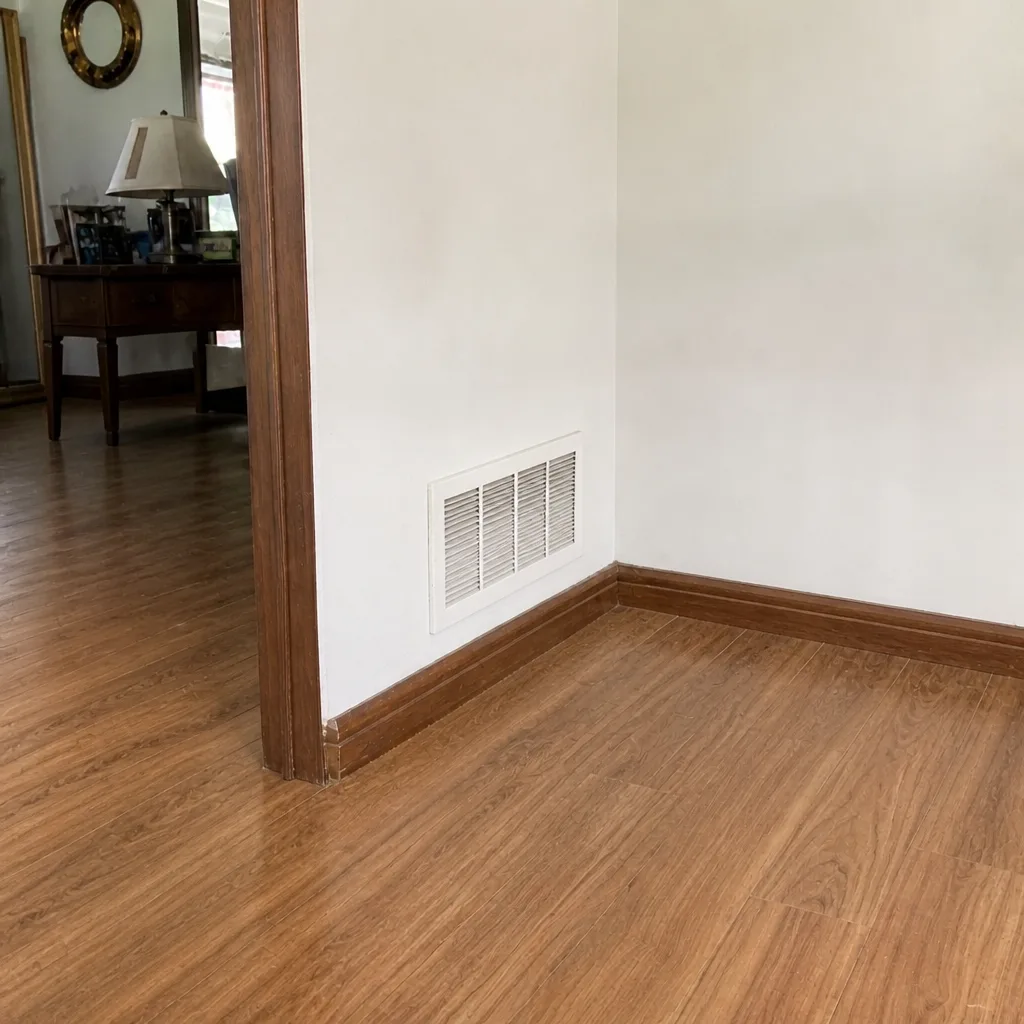
Whole-system duct and dryer vent check with before-and-after photos - you see exactly what came out of your vents
That "$99 whole-house special" is a bait ad - the real number appears once they are in your hallway, or the "clean" is a shop-vac at the register. We photograph the inside of your ducts before and after instead.
Air Duct Cleaning Permits, Codes & Inspections in Black Rock, NY: What You Need to Know
Here’s the part most homeowners don’t expect: the cleaning itself almost never needs a permit, but the repair that often comes with it sometimes does. A contractor can seal a leaking joint or replace a crushed flex run, improve your airflow noticeably, and still leave you with an unpermitted mechanical alteration if nobody pulled the right paperwork. That distinction follows the house – it surfaces when you sell, when an inspector walks through during a renovation, and when a buyer’s attorney asks for records. This guide maps where the permit line actually falls in Black Rock, what New York’s mechanical code says about cleaning versus repair versus replacement, and how to ask your contractor the one question that settles it.
Quick Answer
In New York, routine air duct cleaning generally does not require a permit, but duct repair, replacement of duct sections, and installation of new ductwork are mechanical alterations that can require one under the state’s Mechanical Code, which is based on the International Mechanical Code (IMC). Erie County and the City of Buffalo (which includes Black Rock) administer permits locally, so the exact requirement depends on the scope of the work. Simple maintenance like mastic sealing at accessible joints usually falls outside permitting; cutting in new duct, replacing flex runs, or altering the system layout typically does not.
Styles & brands we work with
- Whole-home duct cleaning
- Dryer vent cleaning
- Camera inspection
- Sanitizing & deodorizing
Table of Contents
- What New York’s Mechanical Code Says About Duct Work
- Where the Permit Line Falls: Cleaning vs. Repair vs. Replacement
- Does Mastic Sealing or Flex Duct Replacement Need a Permit?
- How to Verify a Contractor Is Licensed for Mechanical Work in New York
- The Inspection Scenario: What a Code Officer Looks For
- How to Ask Your Contractor About Permits
- How Erie County Interprets the Rules Locally
- Common Mistakes to Avoid
What New York’s Mechanical Code Says About Duct Work
New York State adopts the International Mechanical Code as the basis for its own mechanical provisions, and that code draws a clear line between maintaining a system and altering it. Cleaning falls on the maintenance side. Alteration falls on the permit side. The code language is technical, but the practical reading is straightforward: if you are restoring a duct system to the condition it was designed for, you’re maintaining it. If you are changing its layout, capacity, or the materials it’s built from, you’re altering it.
Here’s how the code categories typically break down in practice:
- Cleaning and sanitizing – removing debris, dust, and biological buildup from existing ducts. Maintenance. No permit in ordinary residential work.
- Repair of damaged sections – patching a crushed flex run, reconnecting a separated joint, replacing a short damaged length with like material. Often treated as repair, but scope matters.
- Replacement of duct runs – swapping out a full run or a significant portion of a system. This edges into alteration territory.
- New ductwork or layout changes – adding a supply, moving a register, reconfiguring a trunk line. This is a mechanical alteration and normally requires a permit.
In our experience, the confusion comes from contractors who treat every job as maintenance because it’s convenient, and from homeowners who assume any duct work is invisible to code because it’s hidden in walls and attics. Neither assumption holds up when the house changes hands or an inspector is already on site for a renovation. If you’re planning work in Black Rock and want the scope explained before anyone touches your system, the honest conversation starts with air duct cleaning and extends from there into whatever repair the inspection turns up.
Where the Permit Line Falls: Cleaning vs. Repair vs. Replacement
Most Black Rock homes we work in date from the early-to-mid twentieth century, and their duct systems have usually been touched at least once – sometimes by a previous owner, sometimes by a contractor who took shortcuts. When we run a camera through a system like that, we find crushed flex, disconnected joints, and taped-over seams that were never properly sealed. What you do about those findings is where permits enter the picture.
Cleaning: Almost Never Permitted
Standard residential duct cleaning – negative-pressure extraction with a Rotobrush or Nikro system, agitation of the duct walls, containment during the process – is maintenance. It doesn’t change the system, so it doesn’t require a permit. Commercial work and work in buildings under active renovation can carry different rules, but for a single-family home in Black Rock, cleaning alone is virtually never a permitting question.
Repair: It Depends on Scope
Repair is the gray zone. Reconnecting a separated joint, replacing a short section of damaged duct with matching material, or sealing an accessible seam with mastic generally reads as maintenance. Replacing an entire run, changing the duct material (say, swapping rigid metal for flex), or altering the routing to fix a pressure problem starts to look like a mechanical alteration. The difference isn’t cosmetic; it’s whether the system’s design has changed.
Replacement and New Installation: Permit Territory
Full replacement of duct runs, new ductwork for an addition or a finished basement, and any layout change that moves supply or return locations are the clearest permit cases. If your contractor is proposing to cut into a trunk line or add a register, ask about the permit before the first cut, not after.
Does Mastic Sealing or Flex Duct Replacement Need a Permit?
Sealing accessible joints with mastic or UL-listed tape is routine maintenance and rarely requires a permit. Replacing flex duct runs is closer to replacement and can require one, depending on scope and how Erie County reads the job. The distinction matters because duct sealing is one of the highest-return improvements a homeowner can make to an HVAC system, and homeowners shouldn’t avoid it out of permit anxiety.
Here’s how to sort it:
- Sealing at existing joints – mastic brushed or sprayed onto accessible seams, tape applied to gaps. Maintenance. No permit in typical residential cases.
- Sealing in inaccessible locations – work inside wall cavities or above finished ceilings. Sometimes still maintenance, but the access strategy matters and the contractor should explain how the work will be verified.
- Replacing a damaged flex run with matching material – repair in spirit, but a same-size, same-routing swap is more likely to be treated as maintenance than a relocation or resizing.
- Replacing multiple runs or changing the material – this is where we recommend asking the local building department before work starts.
If a contractor tells you they’ll replace your entire flex system with no permit needed, ask them to write that down in the estimate along with the specific code basis. If they can’t, that’s your signal. Our approach with Black Rock homeowners is to explain what a repair involves, whether it’s likely to be permitted, and to give you the wording to confirm with the city.
How to Verify a Contractor Is Licensed for Mechanical Work in New York
New York State doesn’t issue a single statewide mechanical contractor license; licensing and registration are handled at the municipal and county level, and the rules vary. In the City of Buffalo, which includes Black Rock, contractors working on mechanical systems are typically subject to local licensing and registration requirements. A duct cleaning company registered as a cleaning service is not the same thing as a mechanical contractor licensed to perform duct repair and installation. That gap is where a lot of unpermitted work happens.
Here’s the verification sequence we recommend for any homeowner:
- Ask what the contractor’s license or registration covers. Cleaning? Mechanical work? Both? Get it in writing, not just verbally.
- Ask for the license or registration number and verify it with the City of Buffalo’s permit office or Erie County. A legitimate contractor will hand over the number without hesitation.
- Ask who pulls the permit if one is required. In most cases, the contractor pulls it; the homeowner should never be asked to pull a permit for a contractor’s work.
- Ask for proof of insurance. General liability is standard; workers’ compensation matters if anyone is injured on your property.
- Check the estimate for scope clarity. Does it separate cleaning from repair from sealing? A lump-sum invoice with no breakdown is a red flag.
When we send a technician to a Black Rock home for HVAC cleaning, the estimate always separates out cleaning from any repair work, because the two are priced, approved, and permitted differently. You should expect the same from anyone you hire.
The Inspection Scenario: What a Code Officer Looks For
Code inspections on duct work usually show up at one of two moments: during an active renovation where a mechanical permit is already open, or during a home sale when a buyer’s inspector flags something. Both scenarios have their own logic.
During a Renovation
If a mechanical permit is open for other work – say, a kitchen remodel or a furnace replacement – the inspector will typically look at any duct alterations within the scope of that permit. They check for:
- Proper support and secure joints on new or repaired duct runs
- Sealing at connections and penetrations (mastic or approved tape, not duct tape)
- Correct material for the application (rigid metal vs. flex, and whether flex is used where it should be)
- Clearances from combustibles and proper routing through framing
- Documented permits for the work performed
During a Home Sale
A buyer’s inspector who finds unpermitted duct alterations can flag them, and the buyer’s attorney may ask for proof that the work was permitted and inspected. In practice, this rarely kills a sale, but it can slow it down and turn into a negotiation over remediation. In Black Rock, where a lot of housing stock has been through multiple rounds of renovation, this comes up more often than people expect. If you’ve had duct work done and aren’t sure it was permitted, the cleanest move is to call the City of Buffalo’s permit office and ask for the permit history on your address. If nothing was pulled and the work is substantial, retroactive permitting may be possible; a licensed contractor can tell you what the code office will want to see.
How to Ask Your Contractor About Permits
This is the single most useful habit a homeowner can build. Ask the permit question before work starts, and ask it in language that doesn’t invite a hand-wave. We’ve watched homeowners skip this step and end up sorting it out later, and it’s never easier then.
The questions to ask, in order:
- “Does this scope of work require a permit in the City of Buffalo?” Frame it as the scope, not the job title. The permit line follows scope.
- “If a permit is required, who pulls it, and what’s the fee?” The contractor pulls. The fee is a separate permit cost, not a surprise line item.
- “If a permit is not required, what code provision tells you that?” A contractor who knows the code can point to the reasoning. A contractor who guesses will stall.
- “Will the work be inspected?” Permitted mechanical work usually gets an inspection. Confirm who schedules it.
- “What documentation will I get when the job is done?” A written scope, before-and-after photos of the ducts, and a copy of the permit and inspection record if one applies.
If you’re in Black Rock and want a second opinion on a scope before permitting it, or you’re not sure whether the work falls on the maintenance or alteration side of the line, we’re glad to walk through it with you. Book a dryer vent cleaning visit and we’ll look at the surrounding ductwork at the same time, since dryer vent runs are often the first place a failing duct shows itself.
How Erie County Interprets the Rules Locally
New York adopts the IMC at the state level, but the permit process is administered locally, and Erie County and the City of Buffalo both have a hand in how it plays out for Black Rock homeowners. The city issues the permits and conducts inspections for work within its boundaries; the county’s role is more about oversight and code consistency. In practice, this means the city is your point of contact for the permit question.
A few Black Rock-specific realities worth knowing:
- Housing stock age. Much of Black Rock was built before modern ducted HVAC standards, and a lot of systems have been retrofitted over the decades. Retrofits sometimes blur the line between repair and alteration, and an older system is more likely to need a scope conversation.
- Renovation activity. Ongoing investment in the neighborhood means a lot of duct work happens as part of larger renovations, which is exactly when mechanical permits are already in play and code officers are paying attention.
- Basement and attic conversions. Finished spaces often come with duct extensions and new registers, which are permit territory. If you’re buying a home with a recently finished basement, ask the seller for the mechanical permits.
- Climate and system load. Western New York winters push HVAC systems hard, and duct problems – crushed runs, disconnected joints, failed seals – surface most often in the heating season. That timing overlaps with renovation season and, not coincidentally, with inspection season.
Our technicians have up to 11 years of experience in systems like these, and we’ve learned to scope duct repair the way the city will look at it: what changed, what material, what routing, and whether the alteration is substantial enough to warrant paper.
Common Mistakes to Avoid
- Assuming “cleaning” covers everything. Cleaning is rarely permitted; repair and replacement sometimes are. If your contractor calls a duct replacement “part of the cleaning,” ask for the scope in writing. In Black Rock, where duct retrofits are common, this distinction comes up constantly.
- Letting the contractor skip the permit to save time. A permit slows the job down by a few days. An unpermitted mechanical alteration can slow a house sale down by weeks. The trade isn’t close.
- Hiring a cleaning service for repair work. A registered duct cleaning company is not always licensed for mechanical work. Verify the license covers what’s actually being done, not just what the truck says.
- Using duct tape on joints. Duct tape fails with heat and time, and inspectors know it. UL-listed foil tape or mastic is the standard, and a contractor who defaults to duct tape is signaling how they work.
- Skipping before-and-after photos. A contractor who can’t show you what they found and what they changed is asking you to take the work on faith. Photos are your record, and they double as documentation if you ever need to prove what was done.
- Ignoring the permit history when buying. If the seller renovated recently, ask for mechanical permits. In Black Rock, a request for permit records on a recently finished basement is a reasonable and routine ask.
- Treating the duct cleaner as a one-service vendor. Problems in a duct system usually arrive together – leaks, gaps, failing runs, and air quality issues – and handling them across multiple contractors means multiple permits, multiple inspections, and gaps in accountability.
See the difference
 Before
 After
 Before
 After
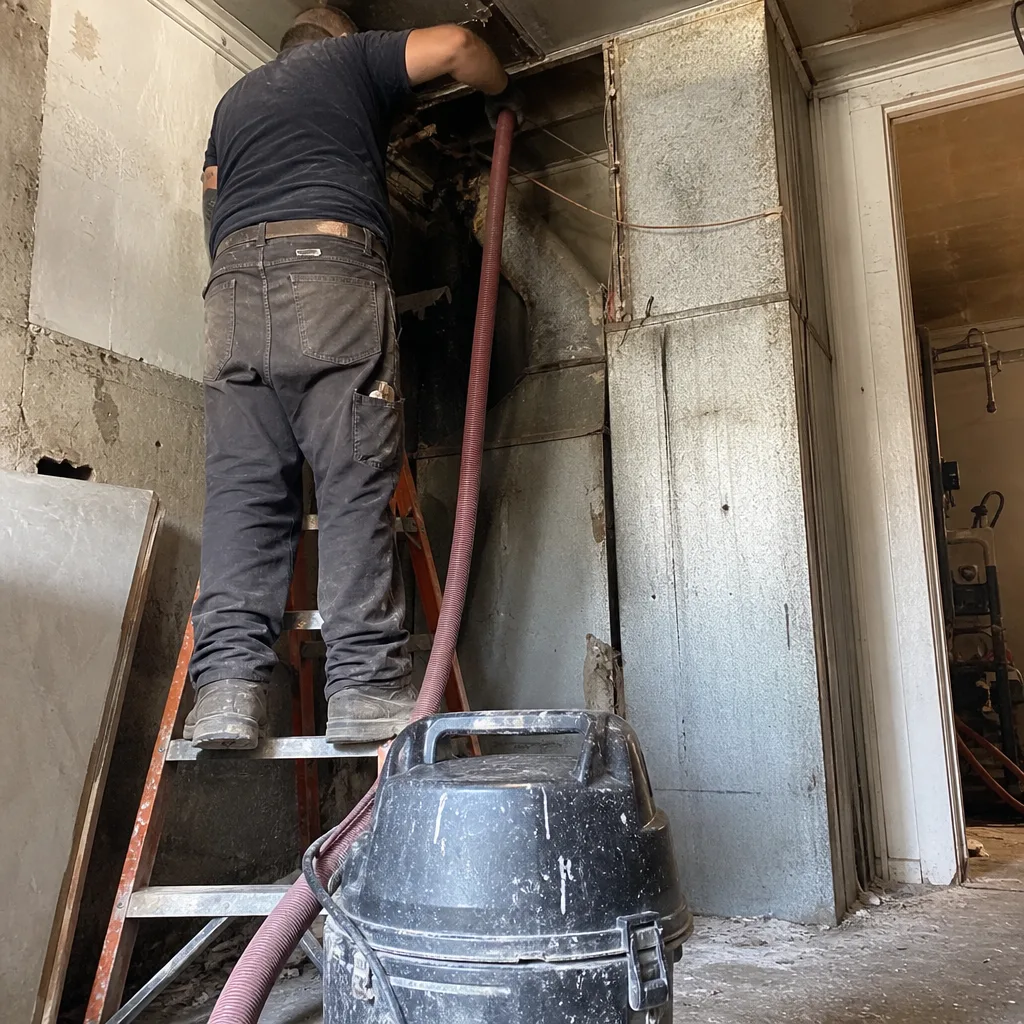 Before
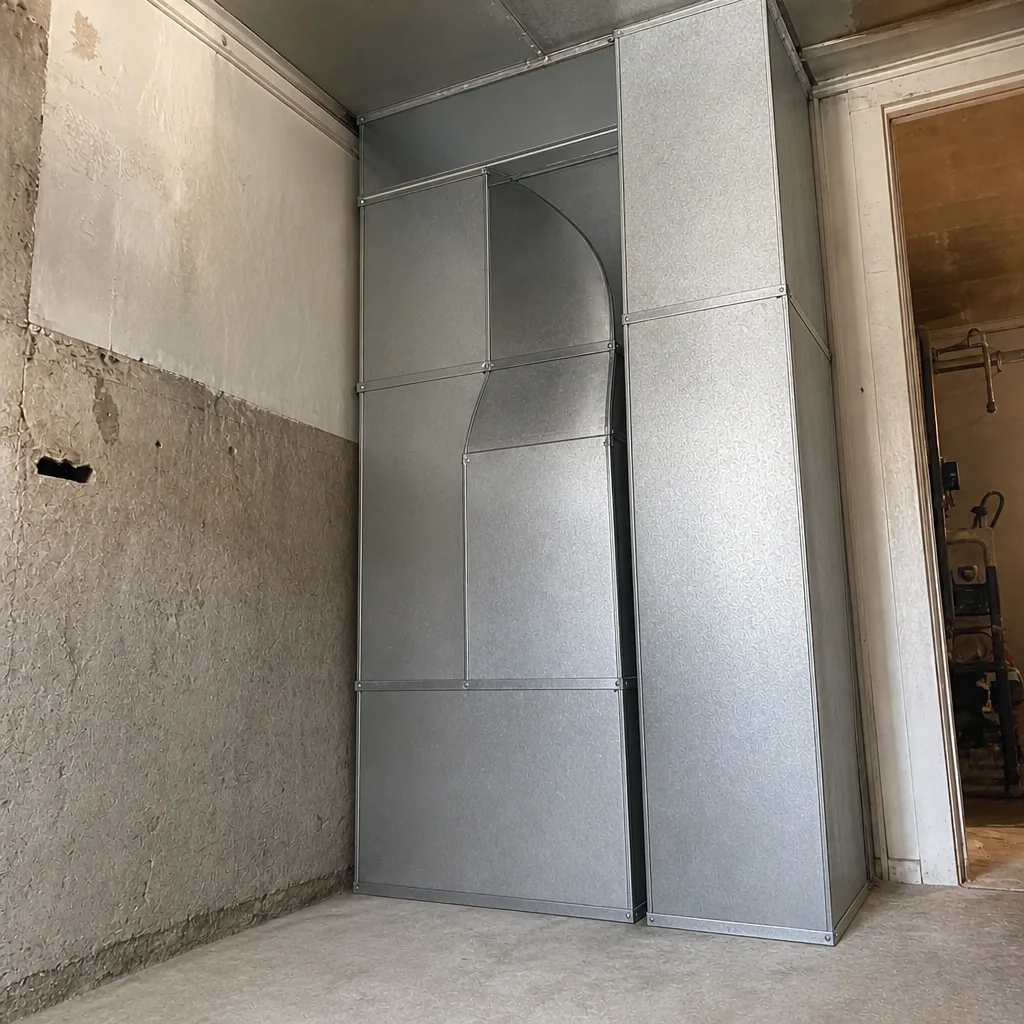 After
When to Call a Professional
Some of this work is inspectable and some is not. If you’re smelling musty air when the heat kicks on, noticing uneven airflow between rooms, seeing visible dust on the register covers within days of cleaning, or you’ve just bought or renovated a home in Black Rock and don’t know the duct history, it’s time for a professional look. Duct repair inside walls, flex replacement, and sealing beyond arm’s reach are not weekend projects – and on the safety side, anything involving a gas-fired furnace or a heat exchanger needs a trained technician, not a homeowner with sealant. Dryer vent work is the other one: a clogged or crushed dryer vent is a fire risk, and it’s worth a professional inspection rather than a shop-vac attempt. Air Duct Cleaning Black Rock offers free estimates in Black Rock. Call (855) 337-1198. We answer 24/7. Fast dispatch from 7am to 7pm, Sunday through Friday.
Frequently Asked Questions
No. Routine residential air duct cleaning in Black Rock does not require a permit, because it’s maintenance rather than a mechanical alteration. Permits come into play when work changes the duct system – replacing runs, adding registers, altering layout, or installing new ductwork. If you’re unsure which side of the line your job falls on, ask the contractor to state it in writing and confirm with the City of Buffalo’s permit office.
It depends on scope. Reconnecting a separated joint or replacing a short damaged length with matching material generally reads as maintenance and doesn’t require a permit. Replacing a full run, changing the material, or altering the routing edges into mechanical alteration territory and often does require one. Our approach in Black Rock is to scope the repair honestly and let the code basis drive the decision, not convenience.
Sealing accessible joints with mastic or UL-listed tape is maintenance and rarely requires a permit. The question gets more complicated when the sealing involves work inside wall cavities or accompanies a larger repair. Ask the contractor to break out the sealing scope separately in the estimate, and if it’s bundled with replacement work, treat the whole job as permit-relevant.
Ask for the contractor’s license or registration number and what the license covers, then verify it with the City of Buffalo or Erie County. A duct cleaning registration is not the same as a mechanical contractor license. In our experience, a legitimate contractor hands over the number and the scope without hesitation, and a contractor who deflects is a contractor to skip.
It gets flagged, and the buyer’s attorney may ask for permit records or a remediation plan. The sale usually still closes, but it can slow the process and turn into a negotiation. If you think unpermitted work exists on a Black Rock home, call the City of Buffalo’s permit office and ask for the permit history on the address, then get a licensed contractor’s read on the scope before the sale reaches the attorneys.
Professional-grade equipment, not shop vacuums. That means a negative-pressure system from a recognized brand like Rotobrush or Nikro, containment equipment (Abatement Technologies is a standard in remediation work), and camera inspection tools. If your contractor shows up with a consumer vacuum and a hose, the work won’t be thorough – and it won’t uncover the repair issues that require a permit conversation. Call (855) 337-1198 for an exact quote; estimates are free. We answer 24/7. Fast dispatch from 7am to 7pm, Sunday through Friday.
The Bottom Line
Duct cleaning itself is maintenance, and maintenance almost never needs a permit. Duct repair sometimes does, and duct replacement usually does. The permit line follows scope, not job title, and in Black Rock the local administrator is the City of Buffalo. Ask your contractor three things: what the scope is, whether it’s permitted, and who pulls the permit. Get those answers in writing along with before-and-after photos. That record is what protects you at the inspection and at the sale. If you’d like a free estimate on cleaning, repair, or both, Air Duct Cleaning Black Rock is here to help. Written by the team at Air Duct Cleaning Black Rock.
Ready to sort out your ducts? Call (855) 337-1198 for a free estimate on cleaning, repair, sealing, and sanitizing in Black Rock. One team handles the whole job, from the first camera inspection to the final before-and-after photos.
Written by the team at Air Duct Cleaning Black Rock.